NMEA 2000 networks
American maker of marine electrical components, part of Navico Group, from which we supply NMEA 2000 cables and connectors.

No results. Please call us — we can order most equipment that is not listed.
Marine equipment · Monitoring & control
Battery state, tank levels, engine data and control of the boat — brought together on one display or your phone.




NMEA 2000 networks
American maker of marine electrical components, part of Navico Group, from which we supply NMEA 2000 cables and connectors.
Battery and tank monitoring
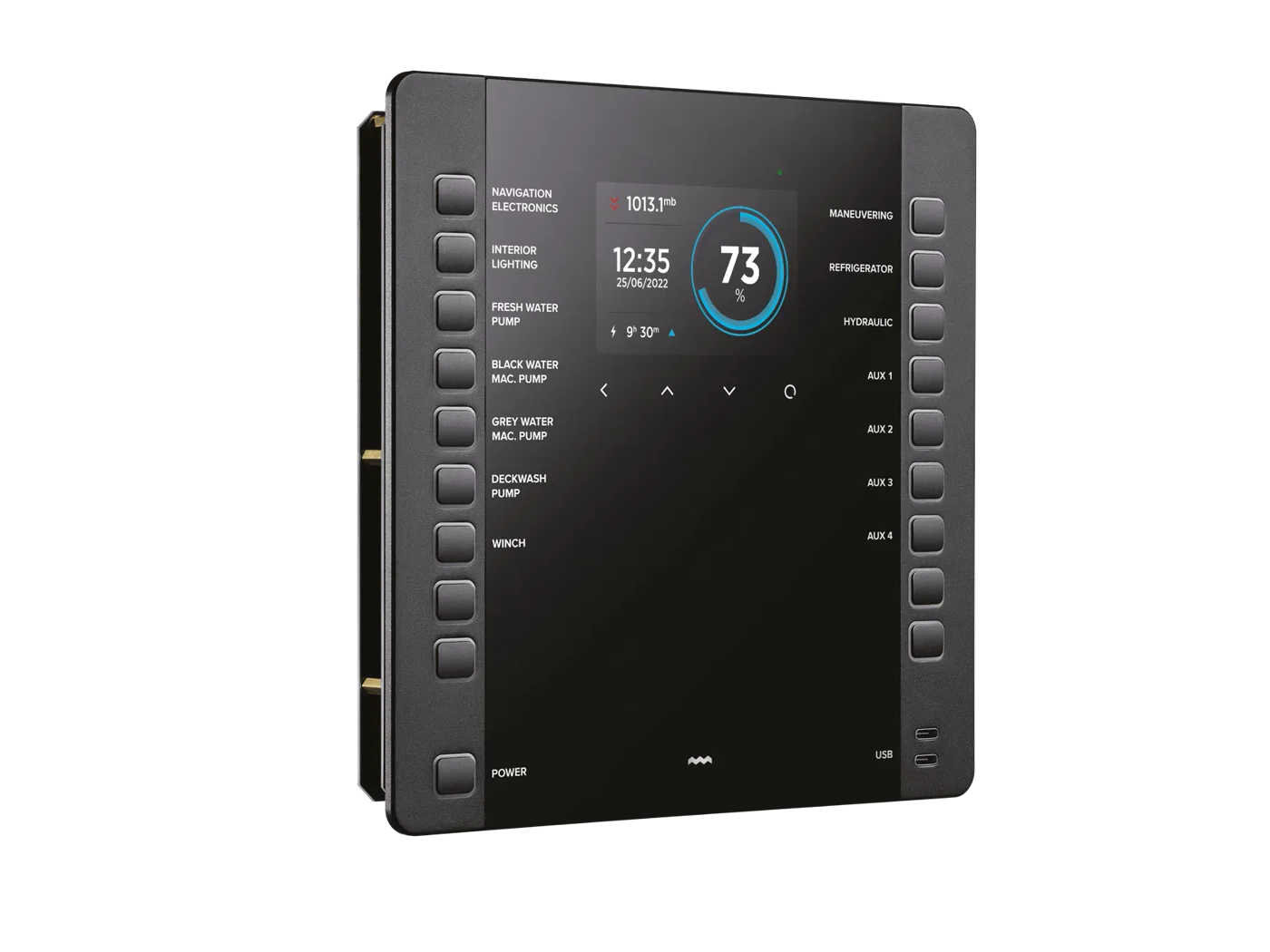
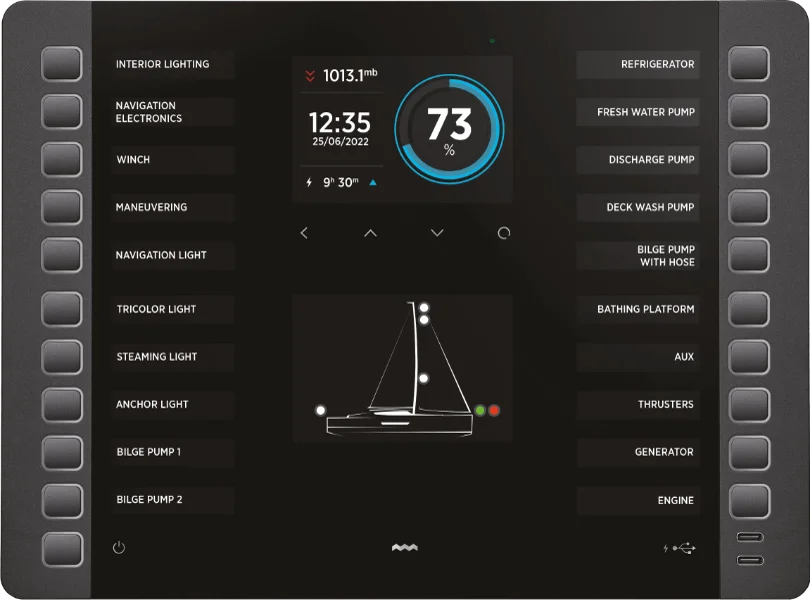
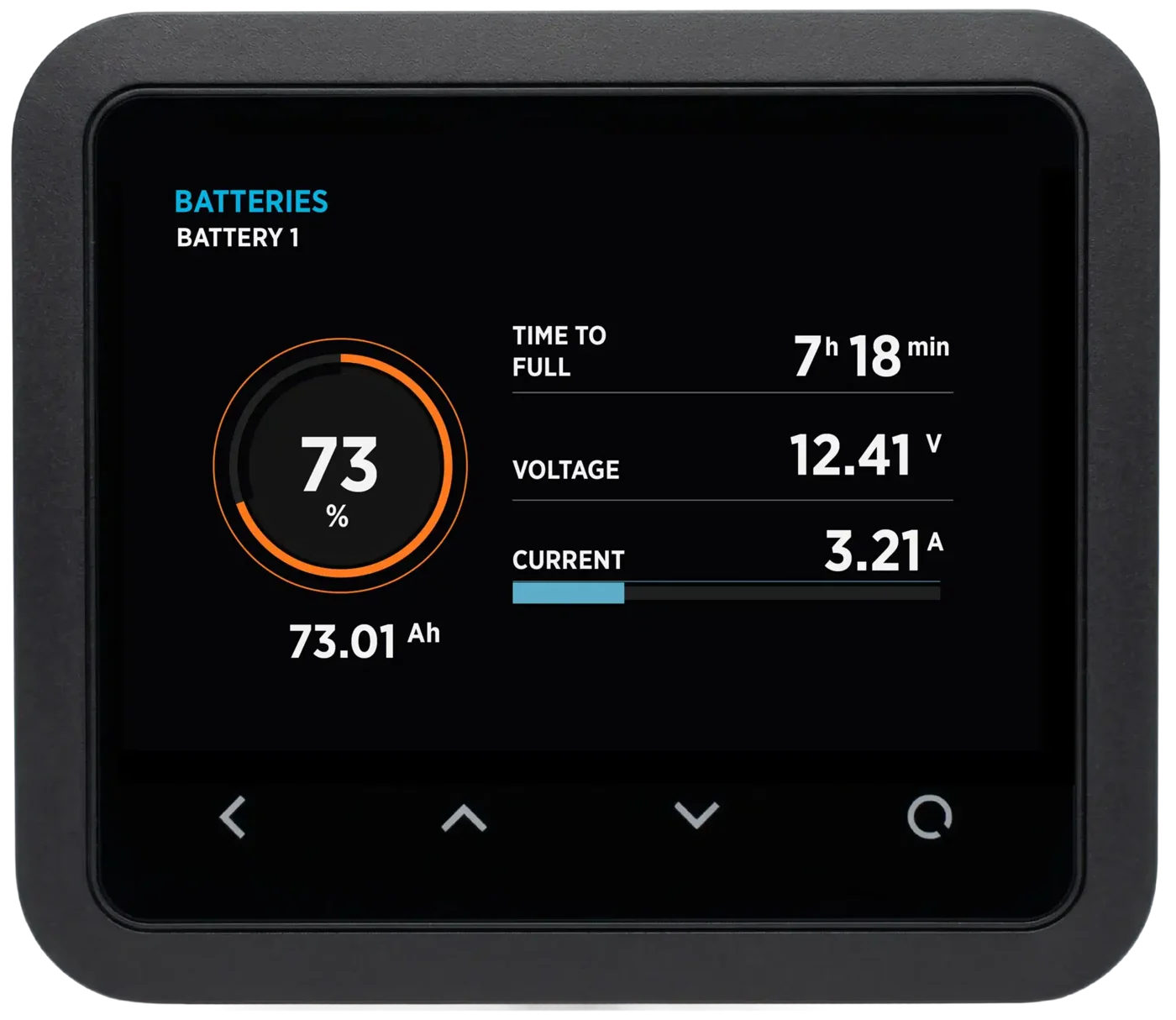
Monitoring for batteries, tanks and temperatures, and digital switching for onboard loads. You see the data on the PICO display, on your phone or on the chart plotter, and switch loads from a Nereide panel.
Digital switching
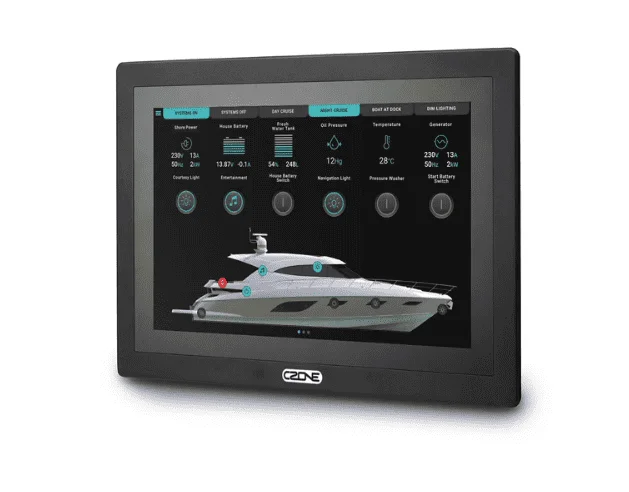
Digital switching, monitoring and control of the boat’s electrical system over NMEA 2000.
Wireless control
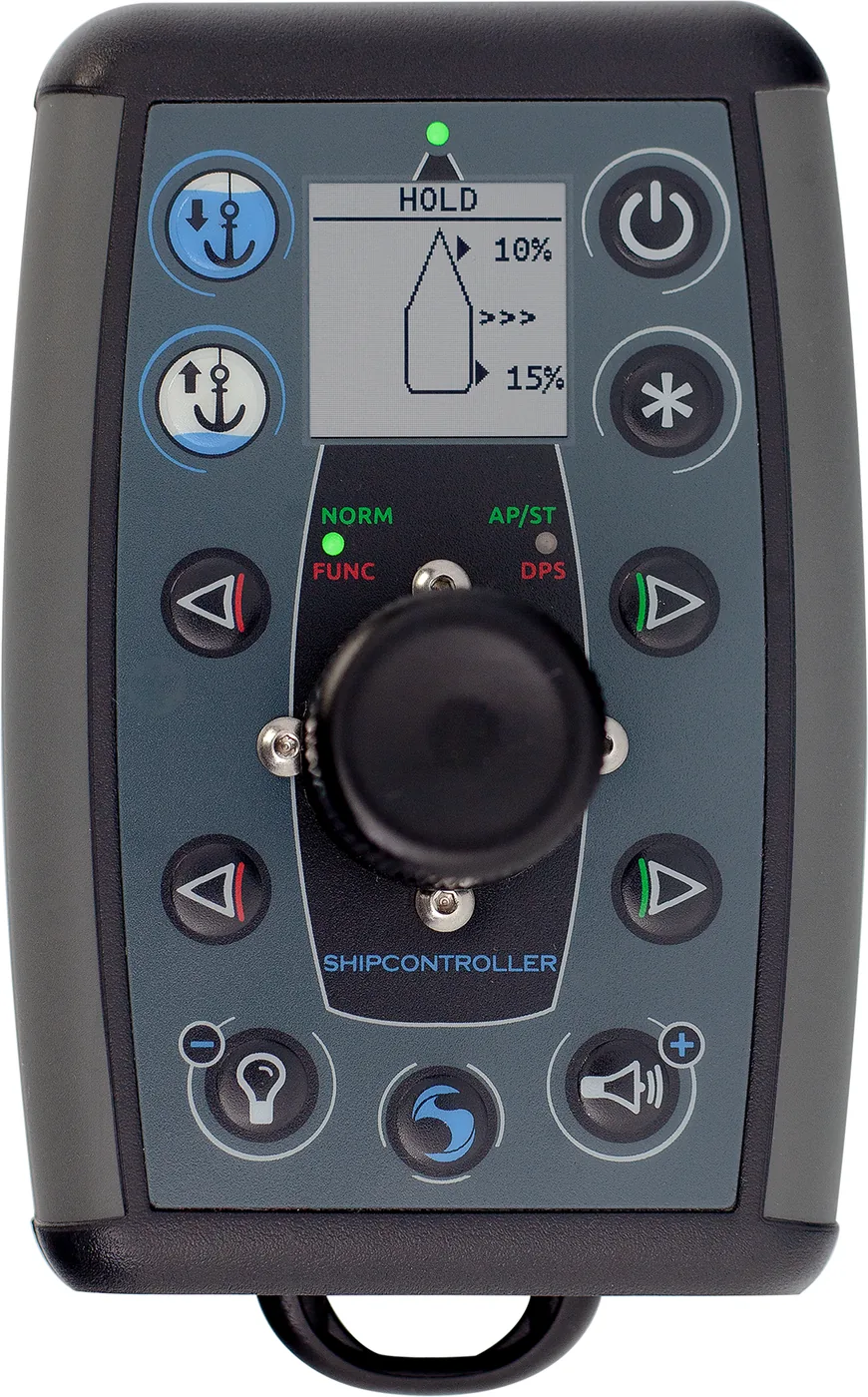
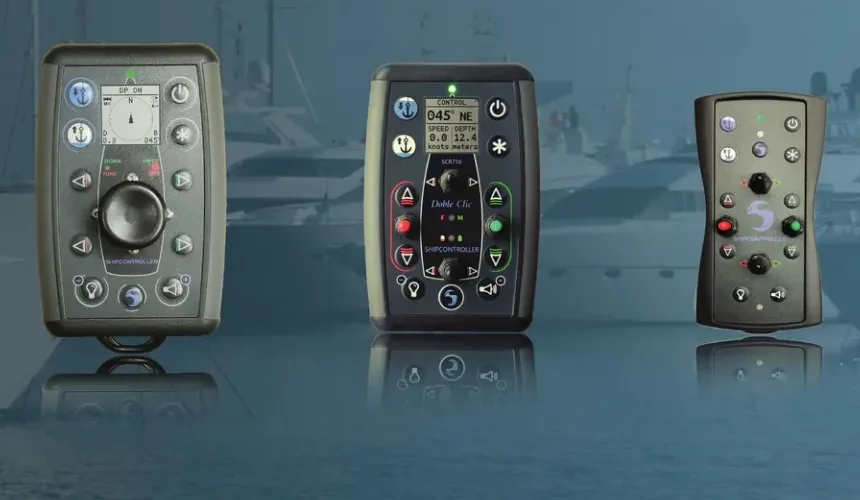
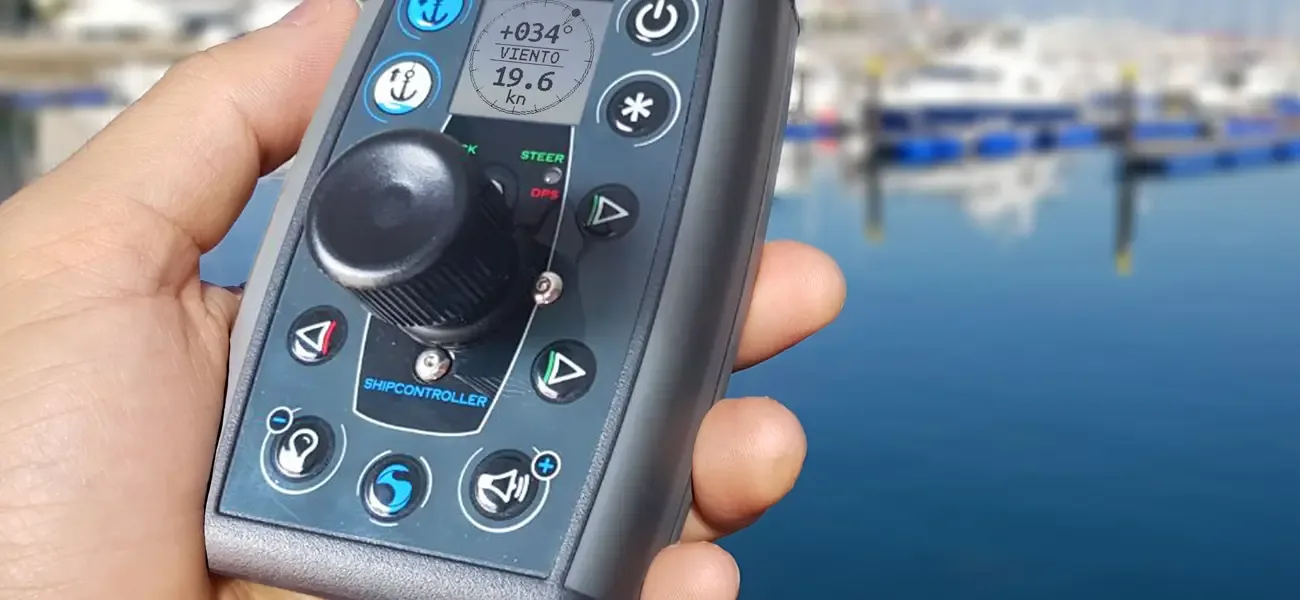
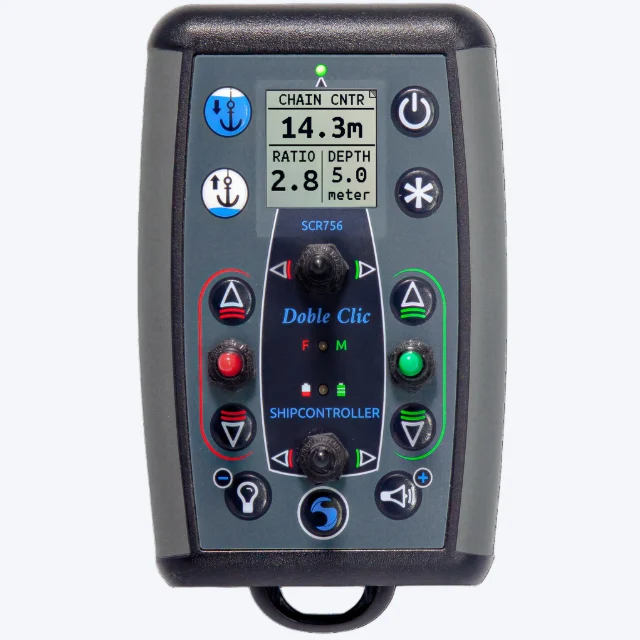
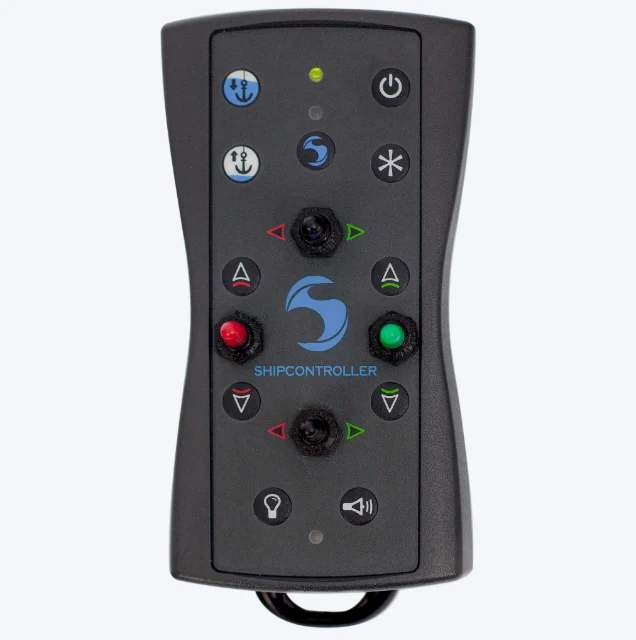
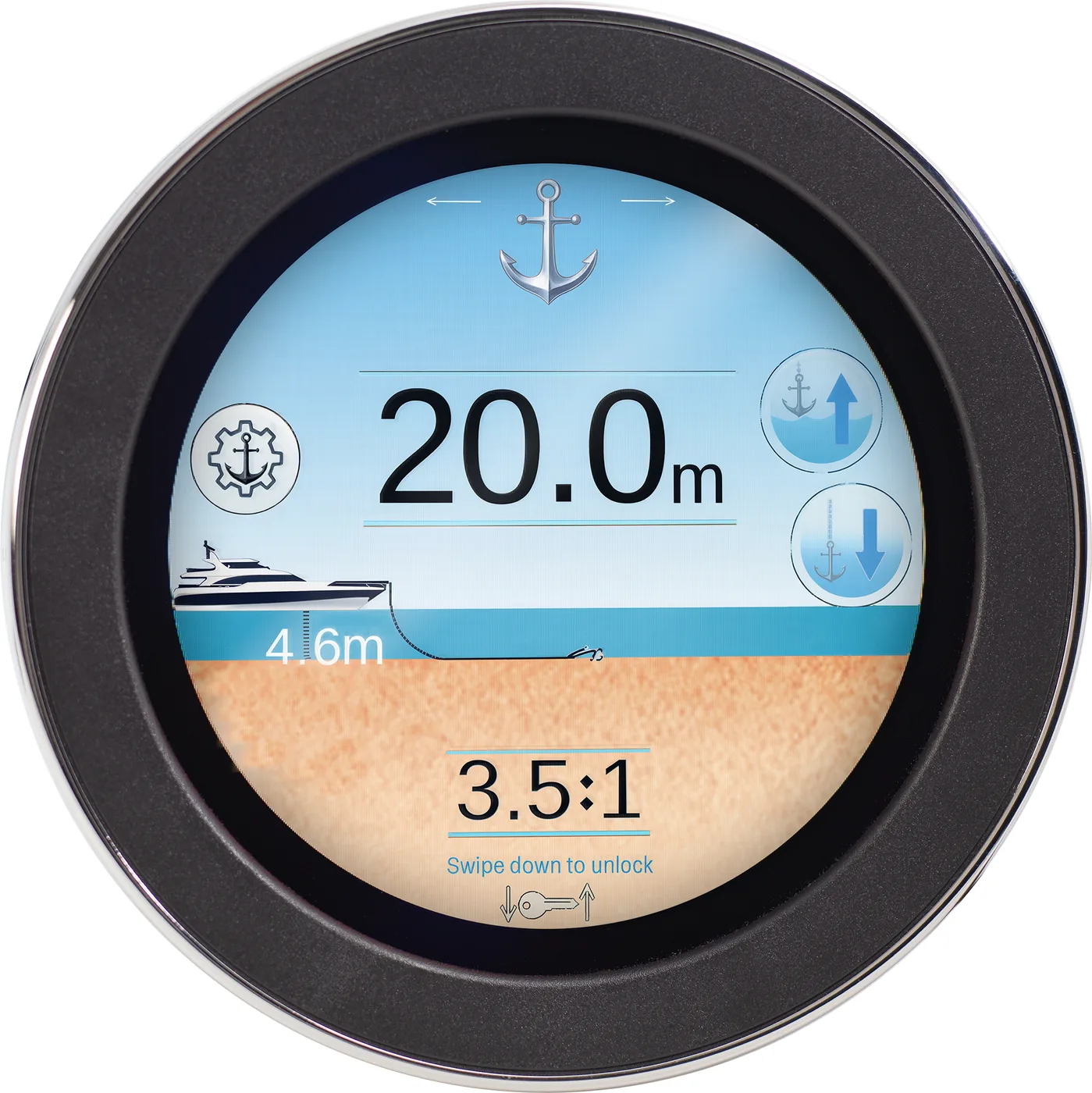
Wireless vessel control. From a handheld remote anywhere on board you run the engines, thrusters and anchor windlass, and where fitted the autopilot, horn and deck lights. The EZVector and DockerPro have a built-in display showing the anchor chain counter and data from the NMEA 2000 network.
Electronic engine controls
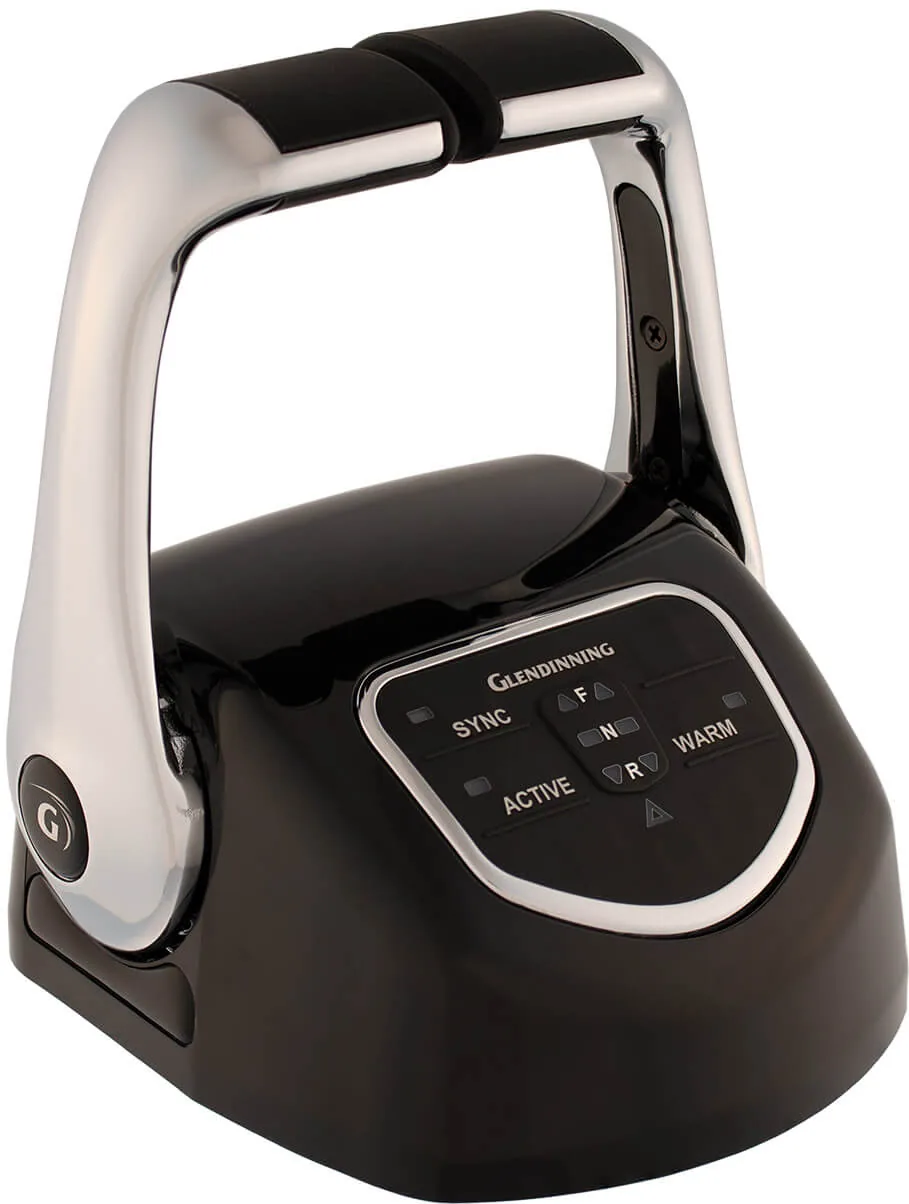
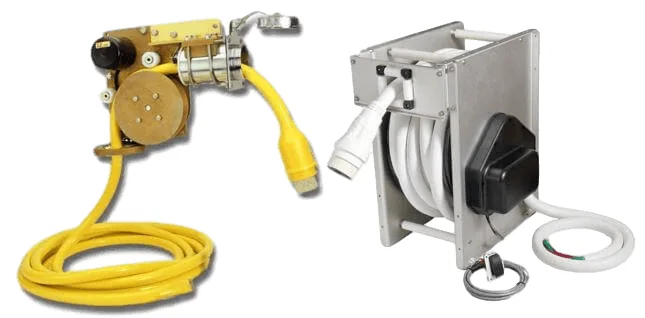
American maker of electronic engine controls and reels that wind in and stow the cable automatically.
American maker of marine electrical components, part of Navico Group, from which we supply NMEA 2000 cables and connectors.
Monitoring for batteries, tanks and temperatures, and digital switching for onboard loads. You see the data on the PICO display, on your phone or on the chart plotter, and switch loads from a Nereide panel.
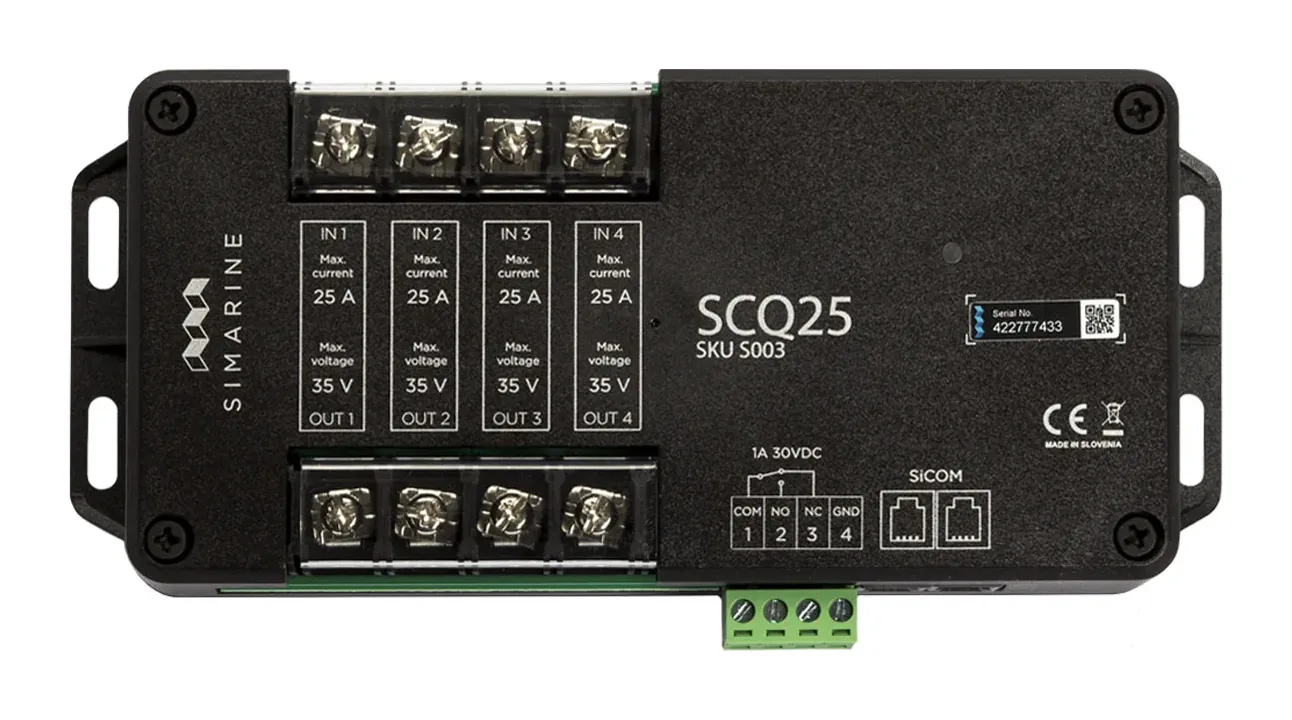
Digital switching, monitoring and control of the boat’s electrical system over NMEA 2000.
Wireless vessel control. From a handheld remote anywhere on board you run the engines, thrusters and anchor windlass, and where fitted the autopilot, horn and deck lights. The EZVector and DockerPro have a built-in display showing the anchor chain counter and data from the NMEA 2000 network.
American maker of electronic engine controls and reels that wind in and stow the cable automatically.
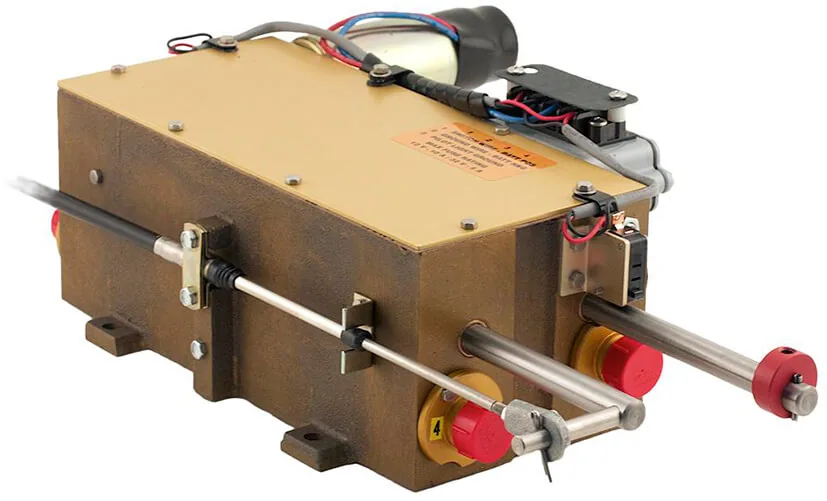
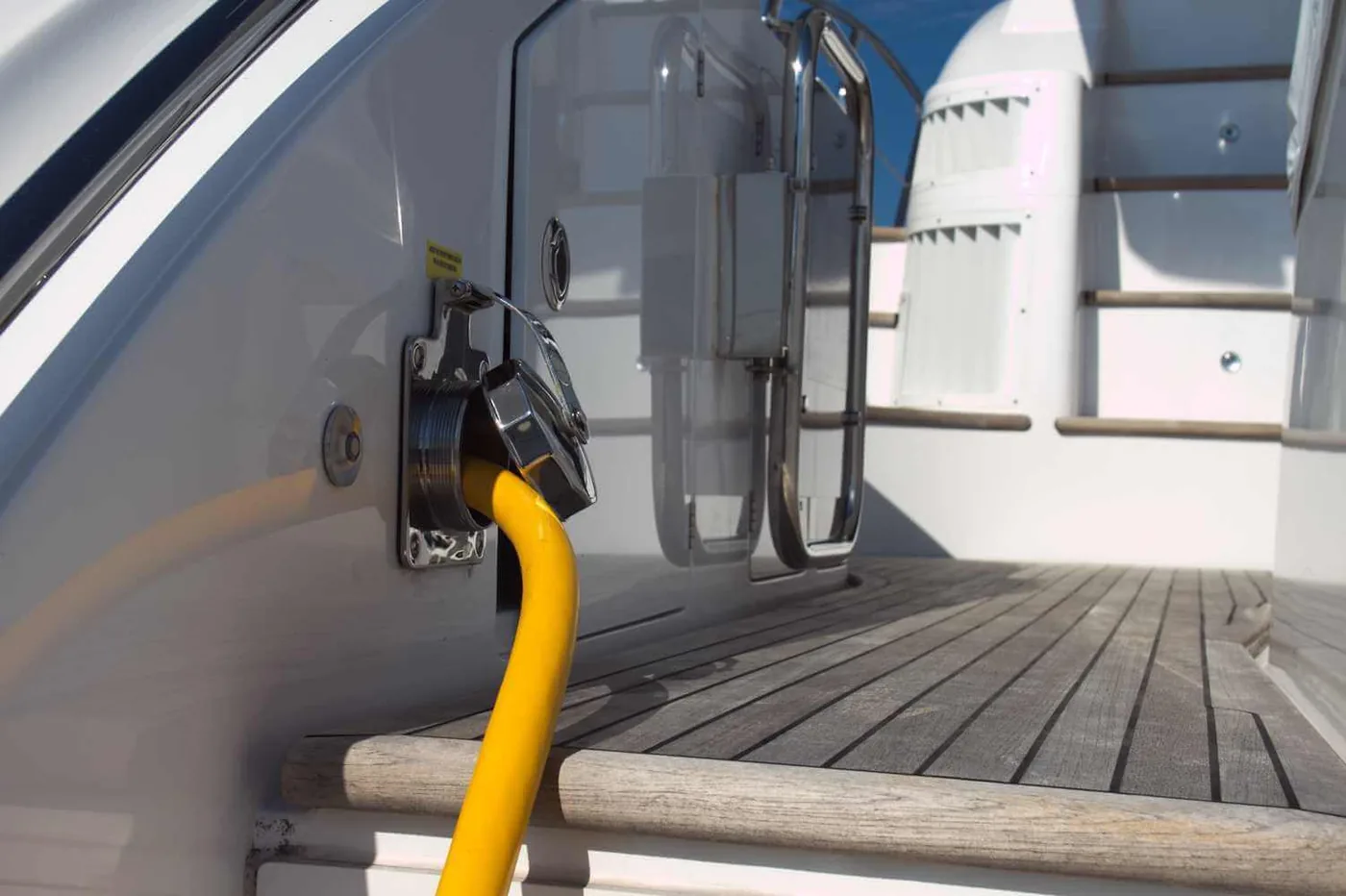
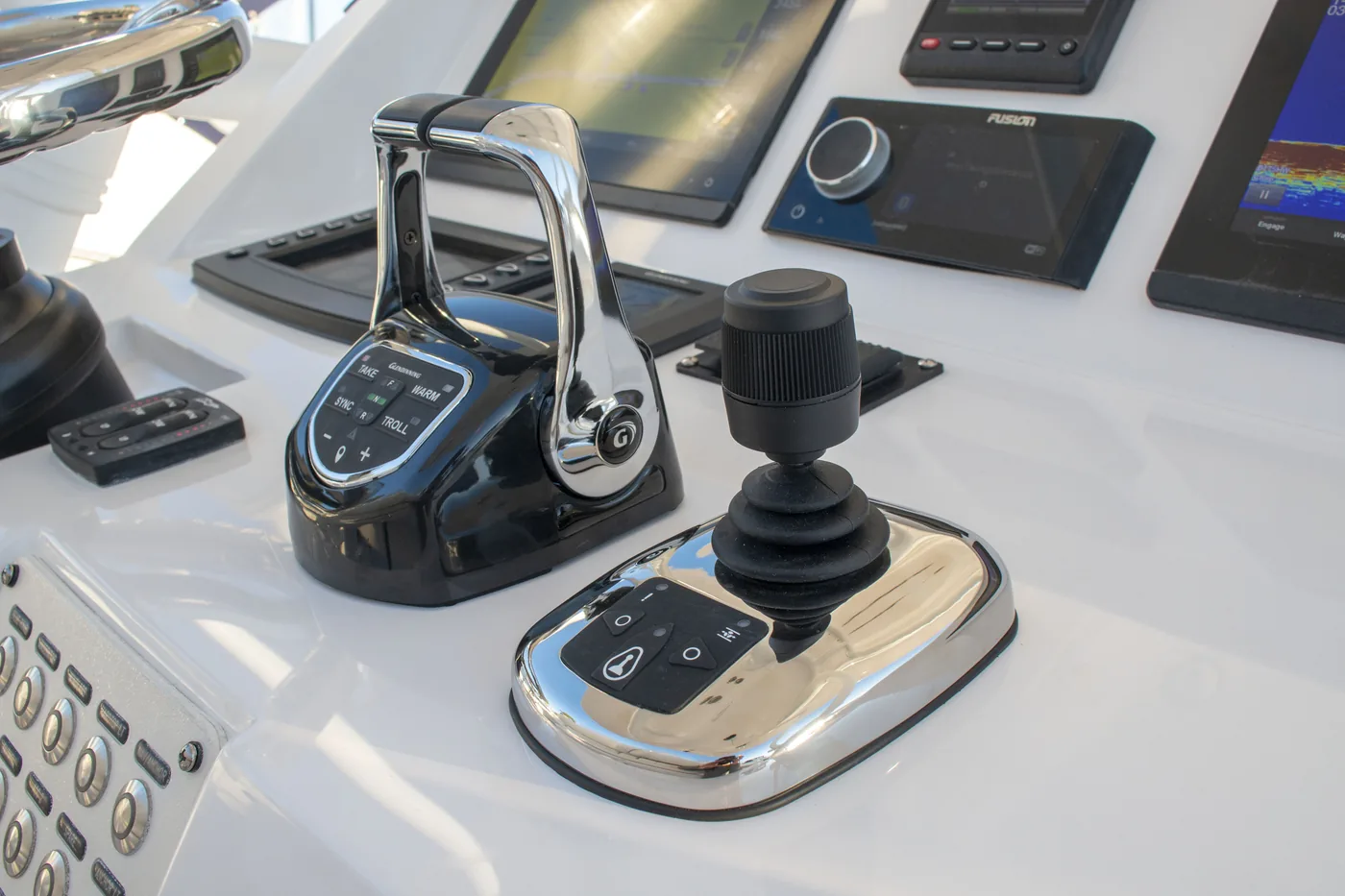
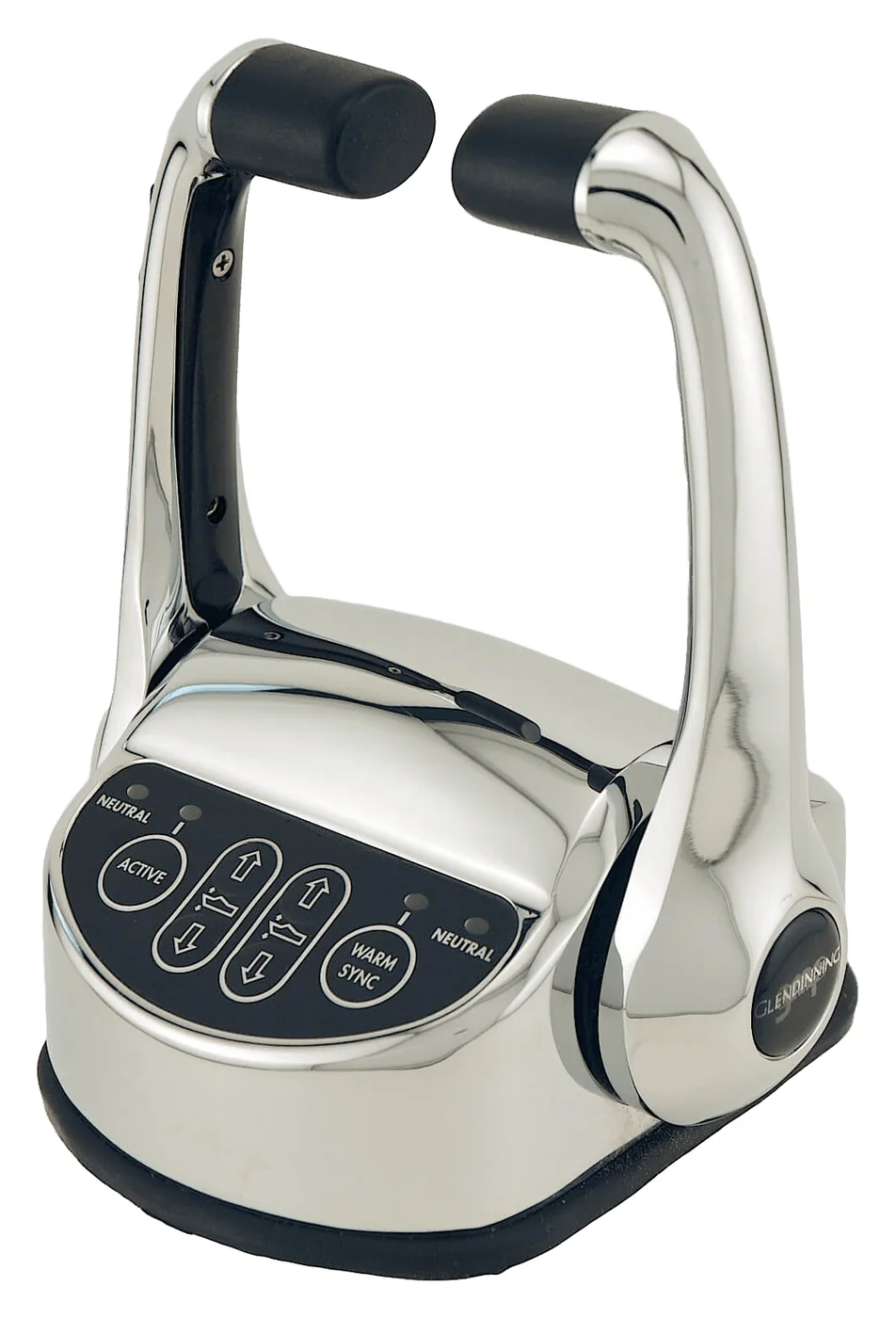
NMEA 2000 connects engines, sensors, navigation and displays into one network, so you see the data where you need it. We regularly design and build NMEA 2000 networks.
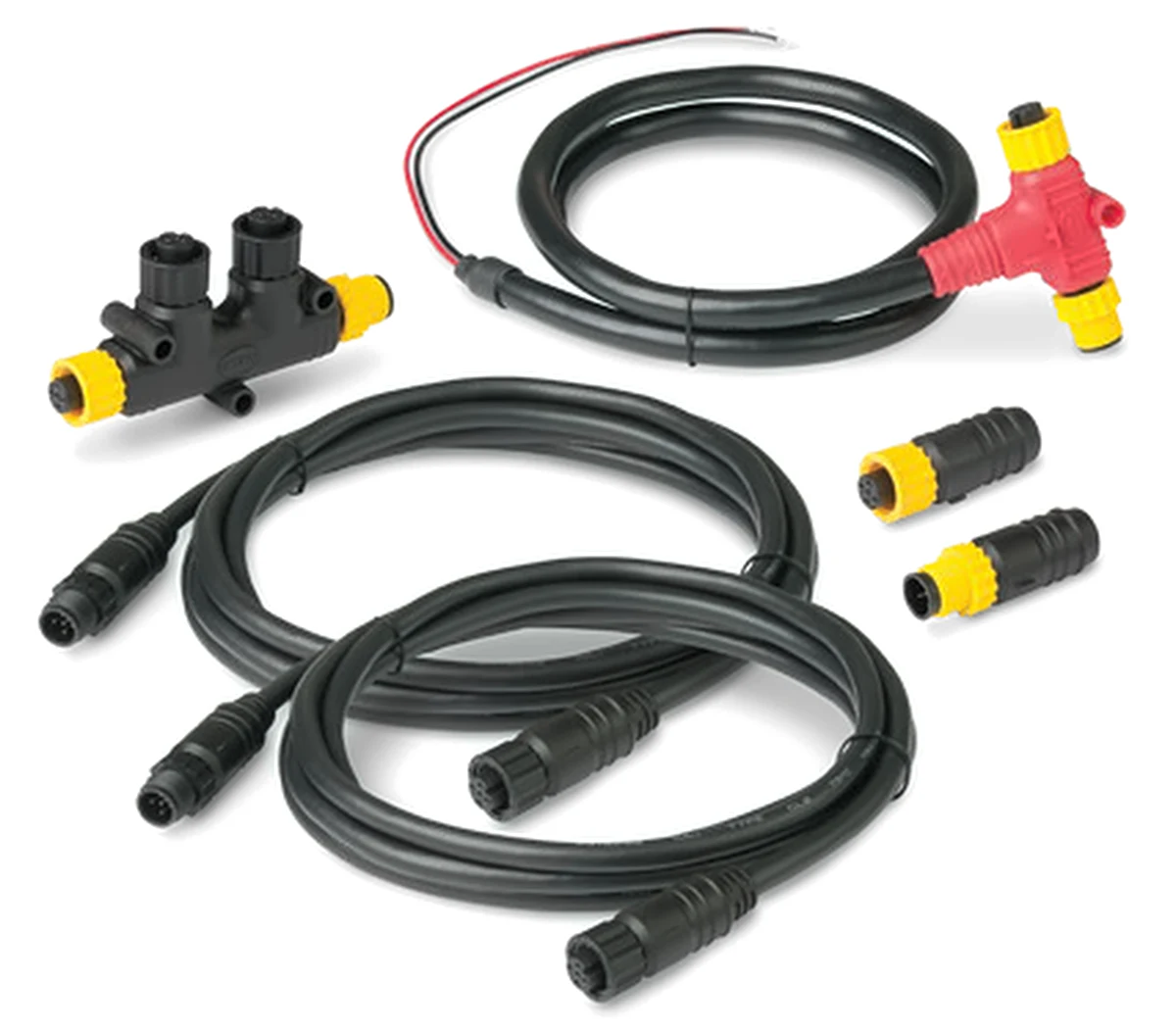
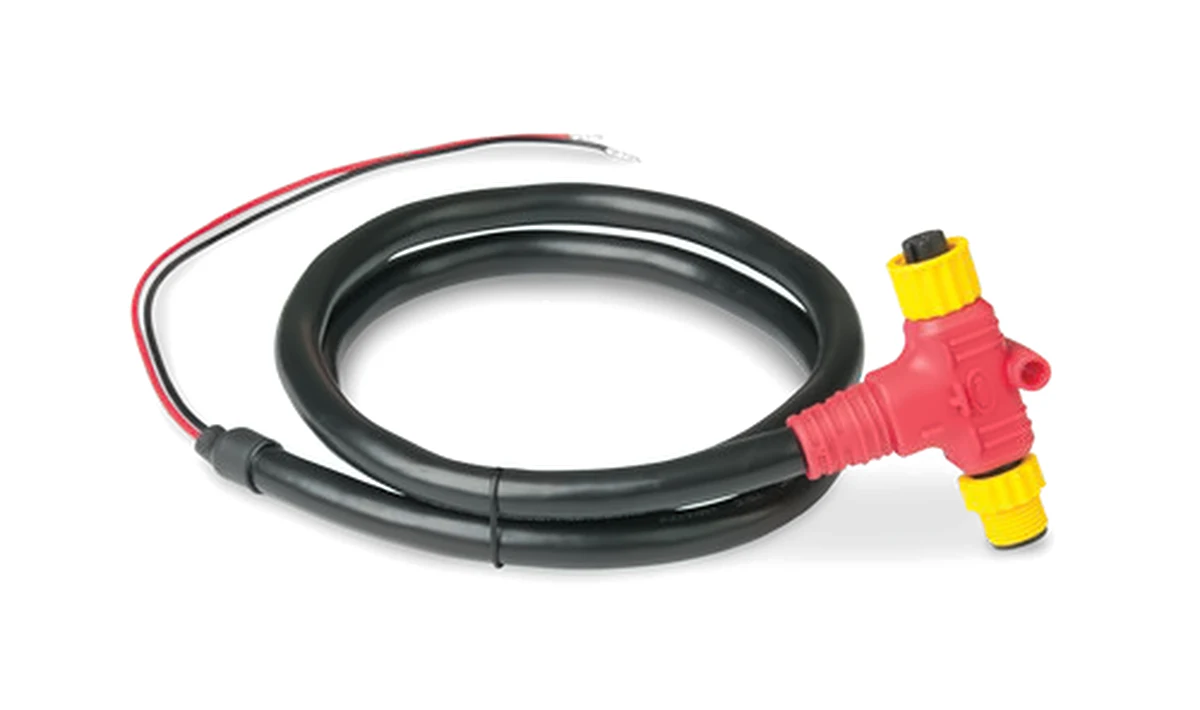
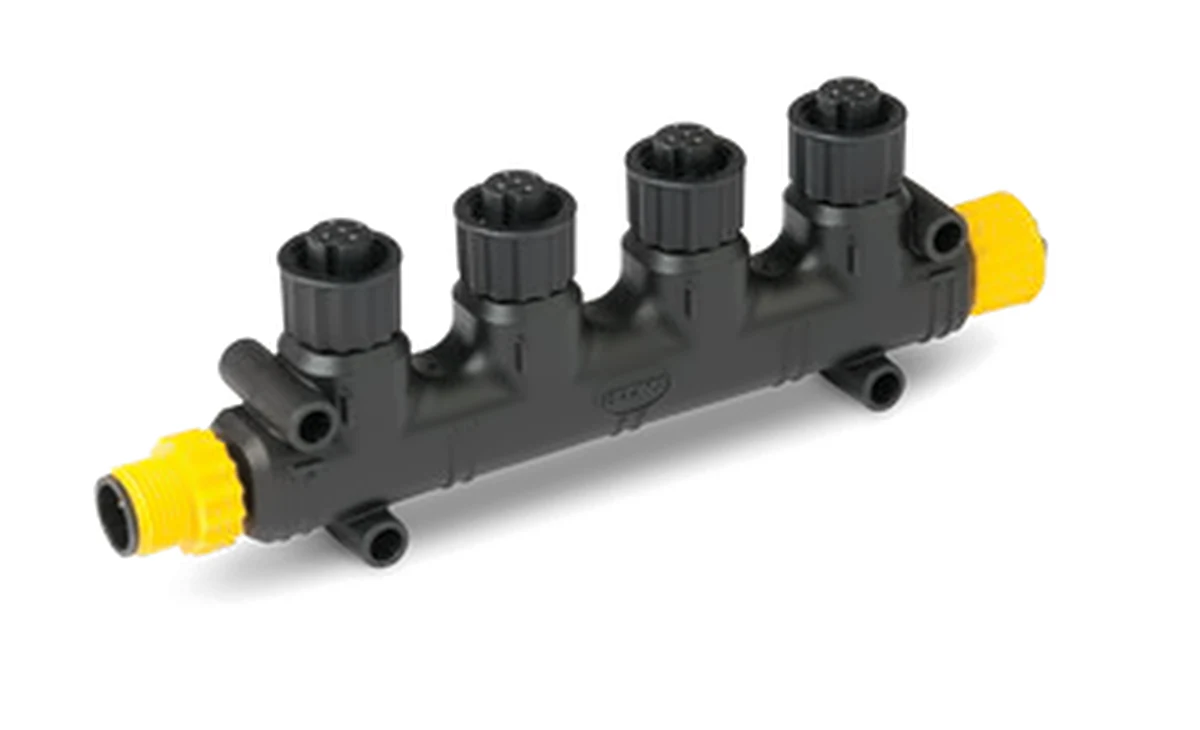
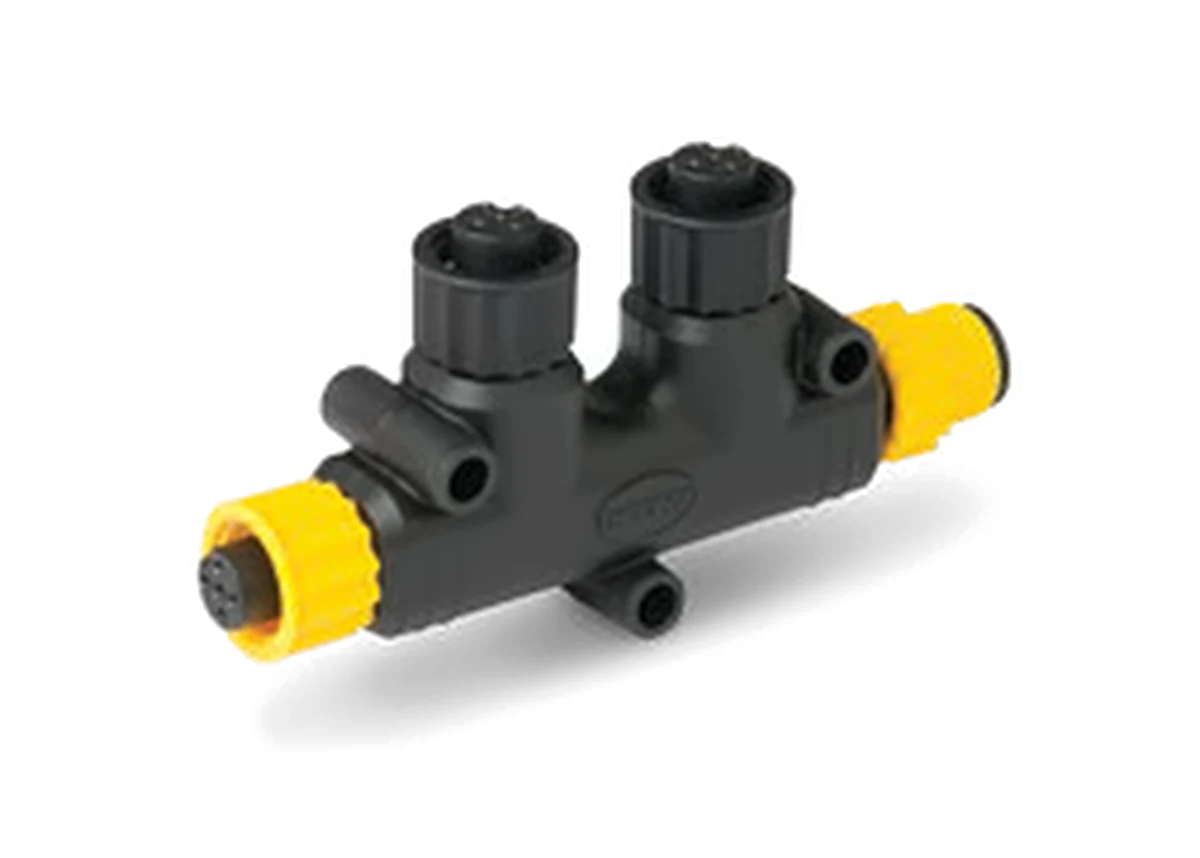
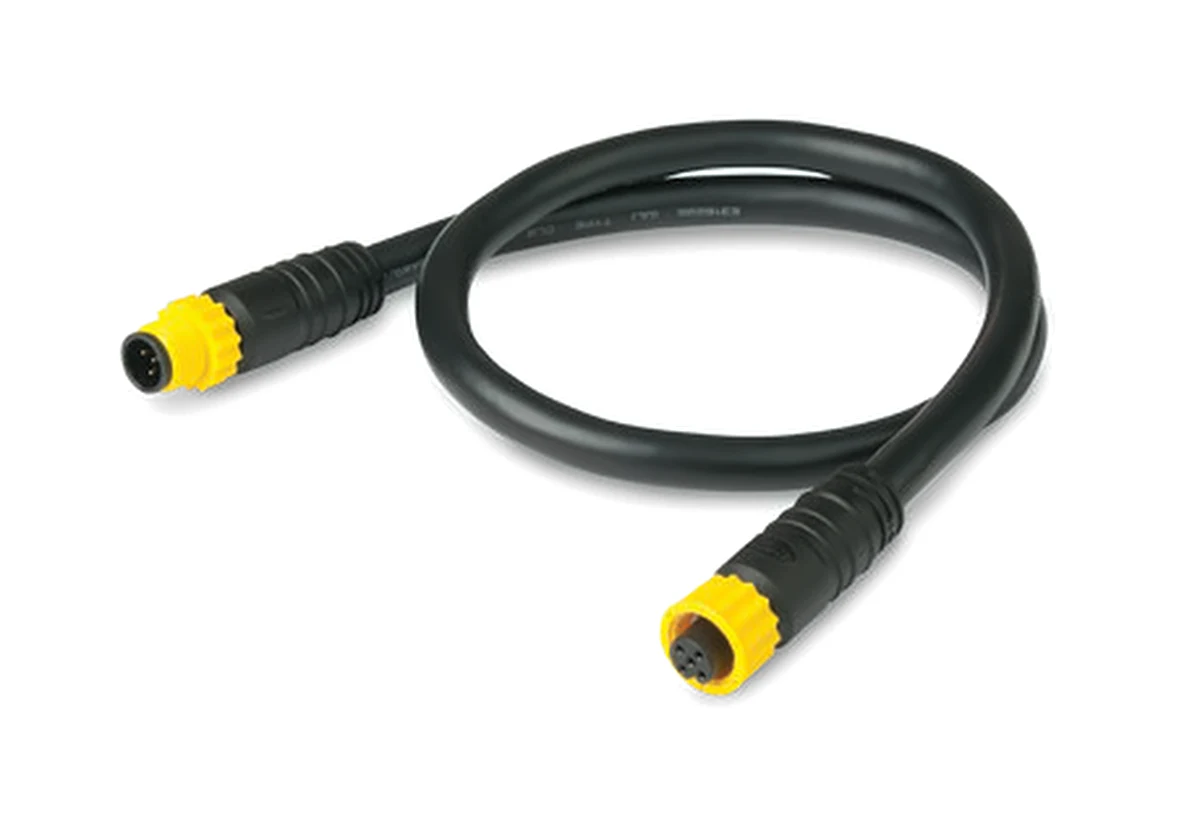
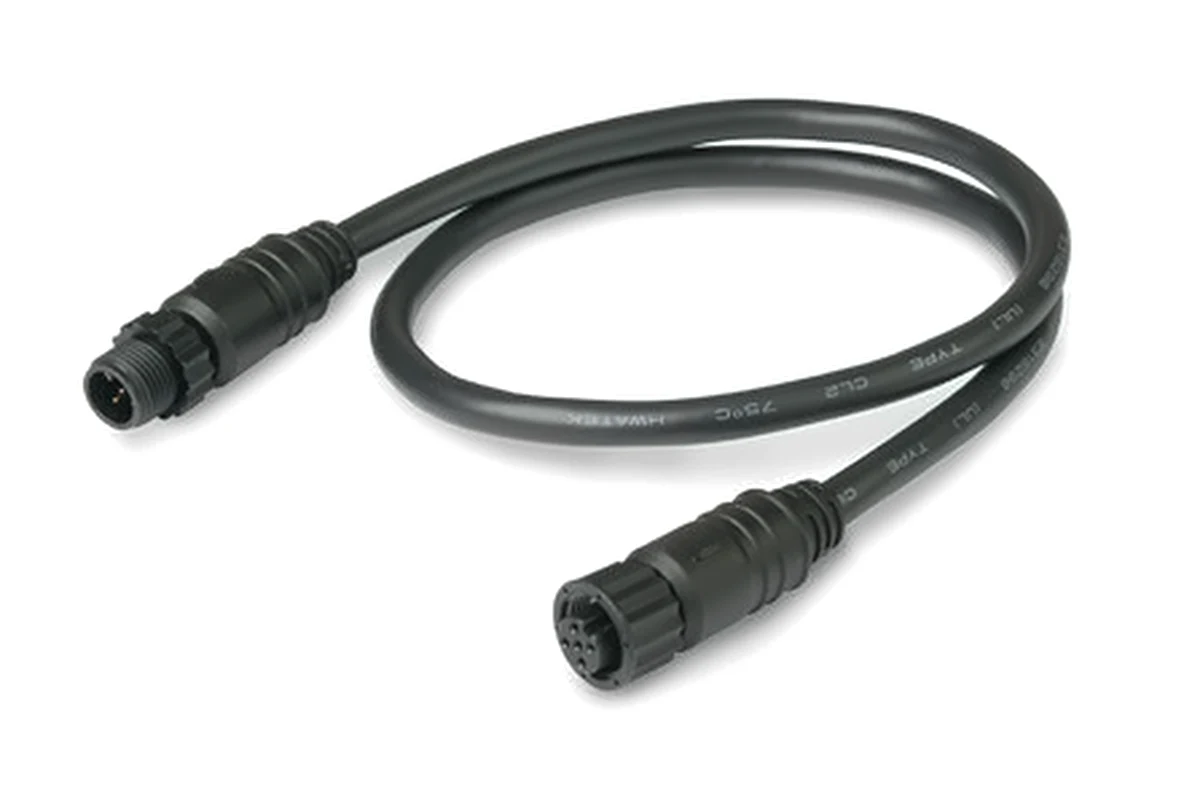
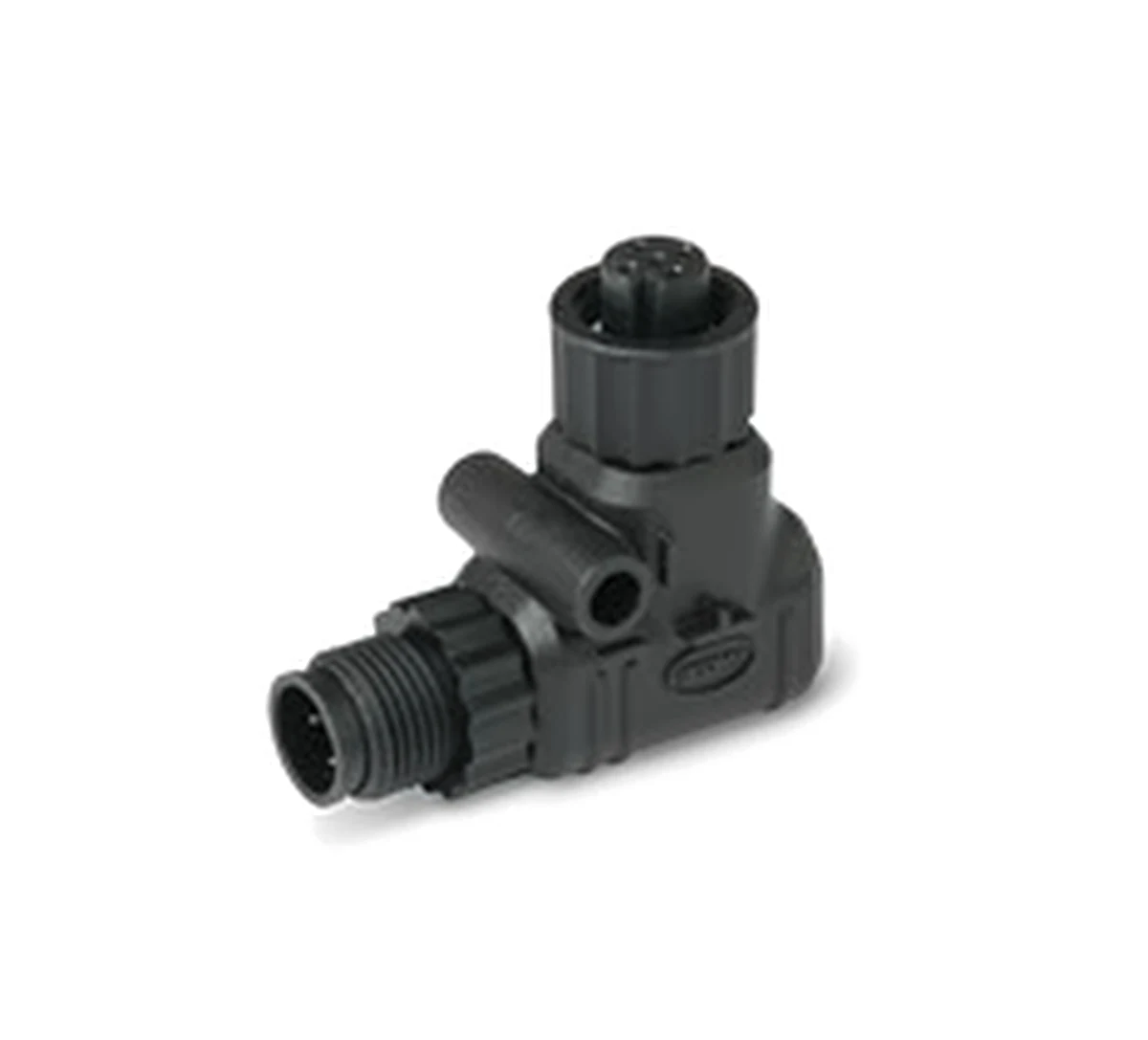
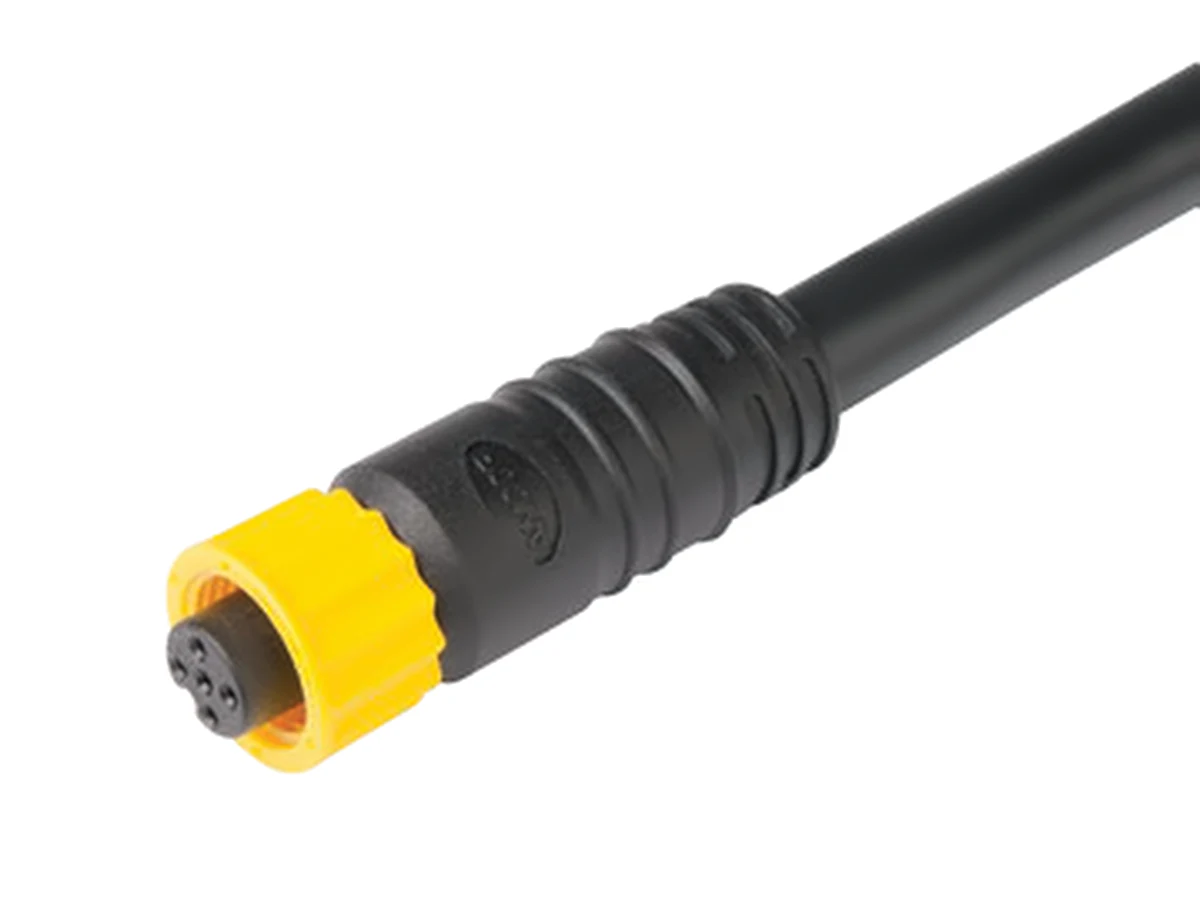
To wire the network we supply Ancor cables and connectors, NMEA 2000 Approved and compatible with other manufacturers’ devices. Colour-coded couplers set the backbone cables, with yellow couplers, apart from the drop cables, with black ones, so the wiring stays clear when the network is extended later.
On a Selene 66 we built a Maretron NMEA 2000 network with more than thirty sensors monitoring the whole vessel.
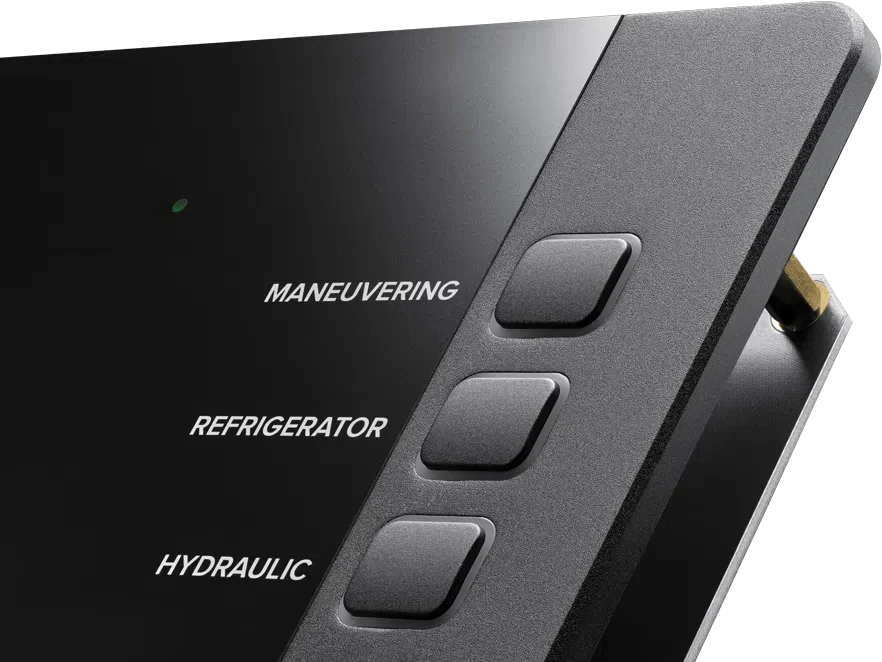
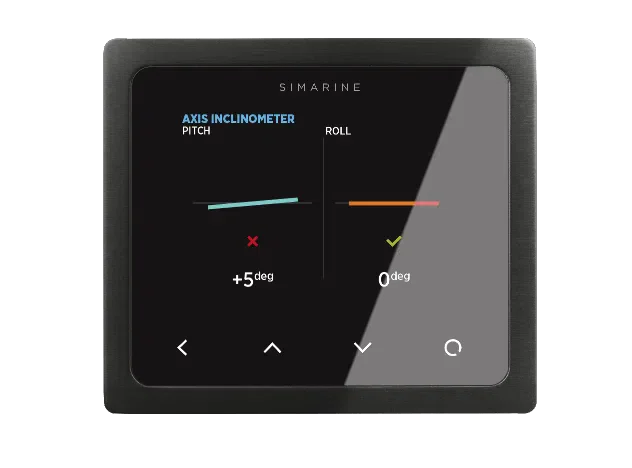
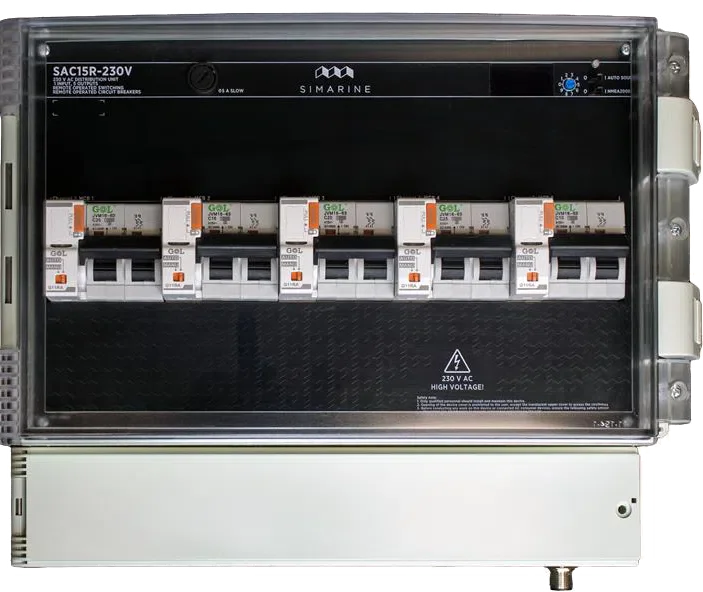
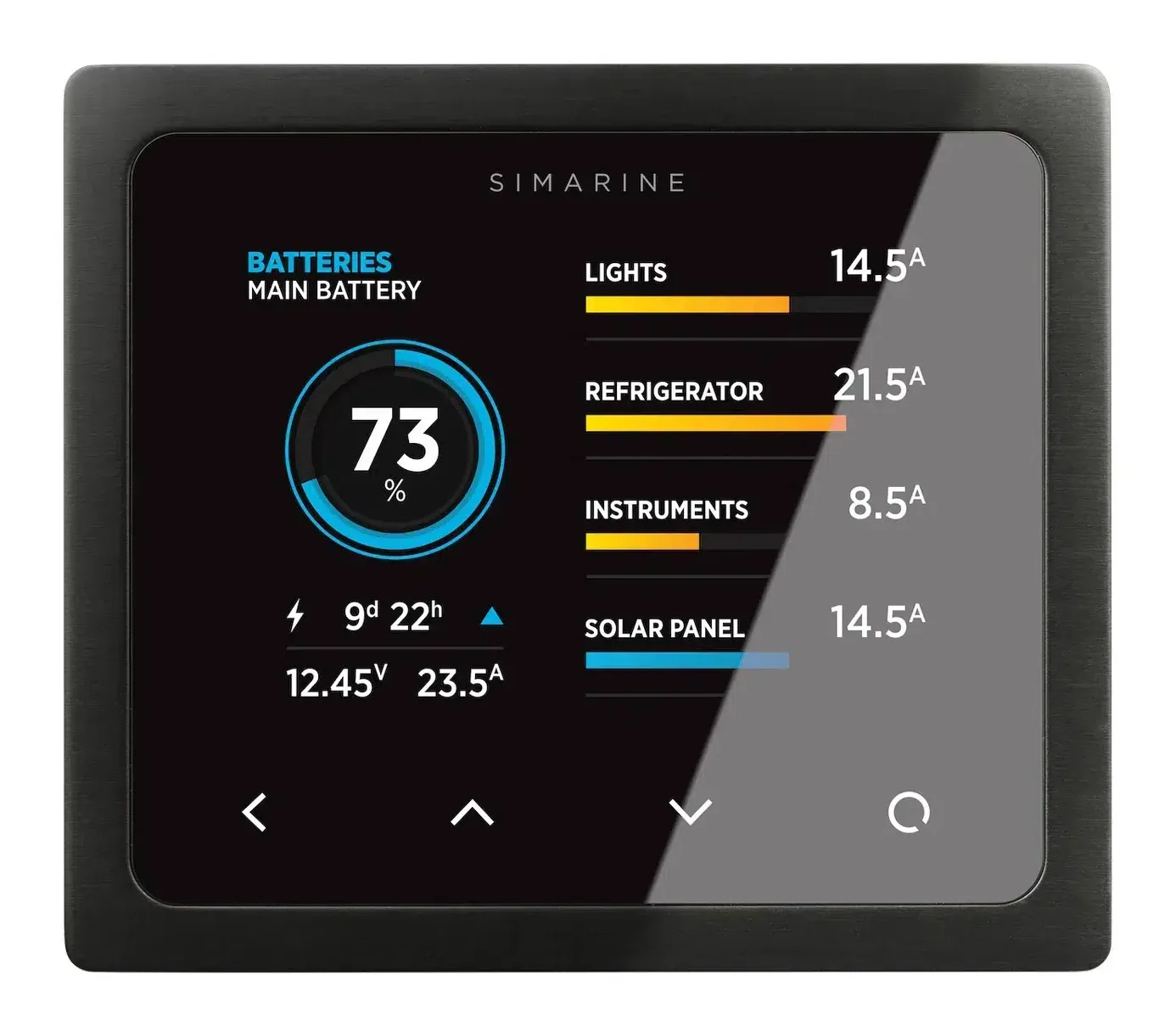
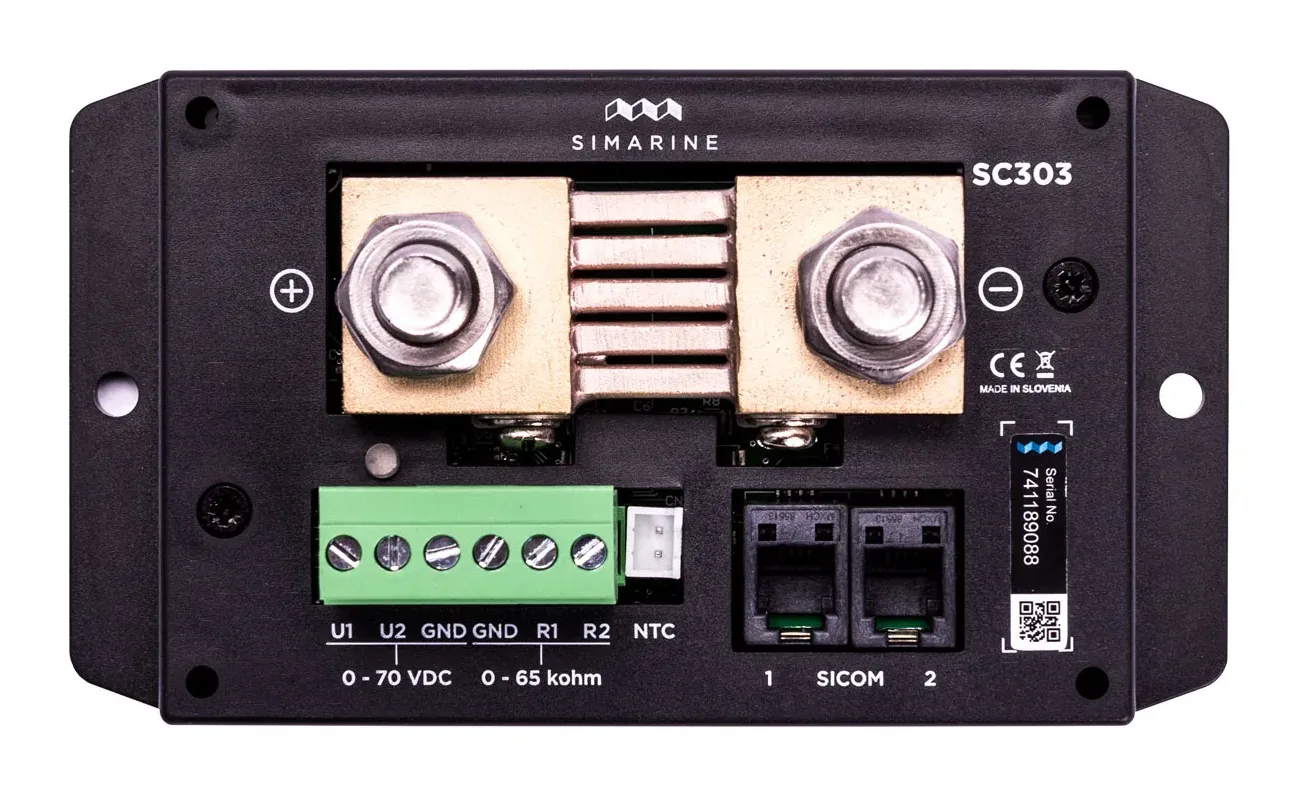
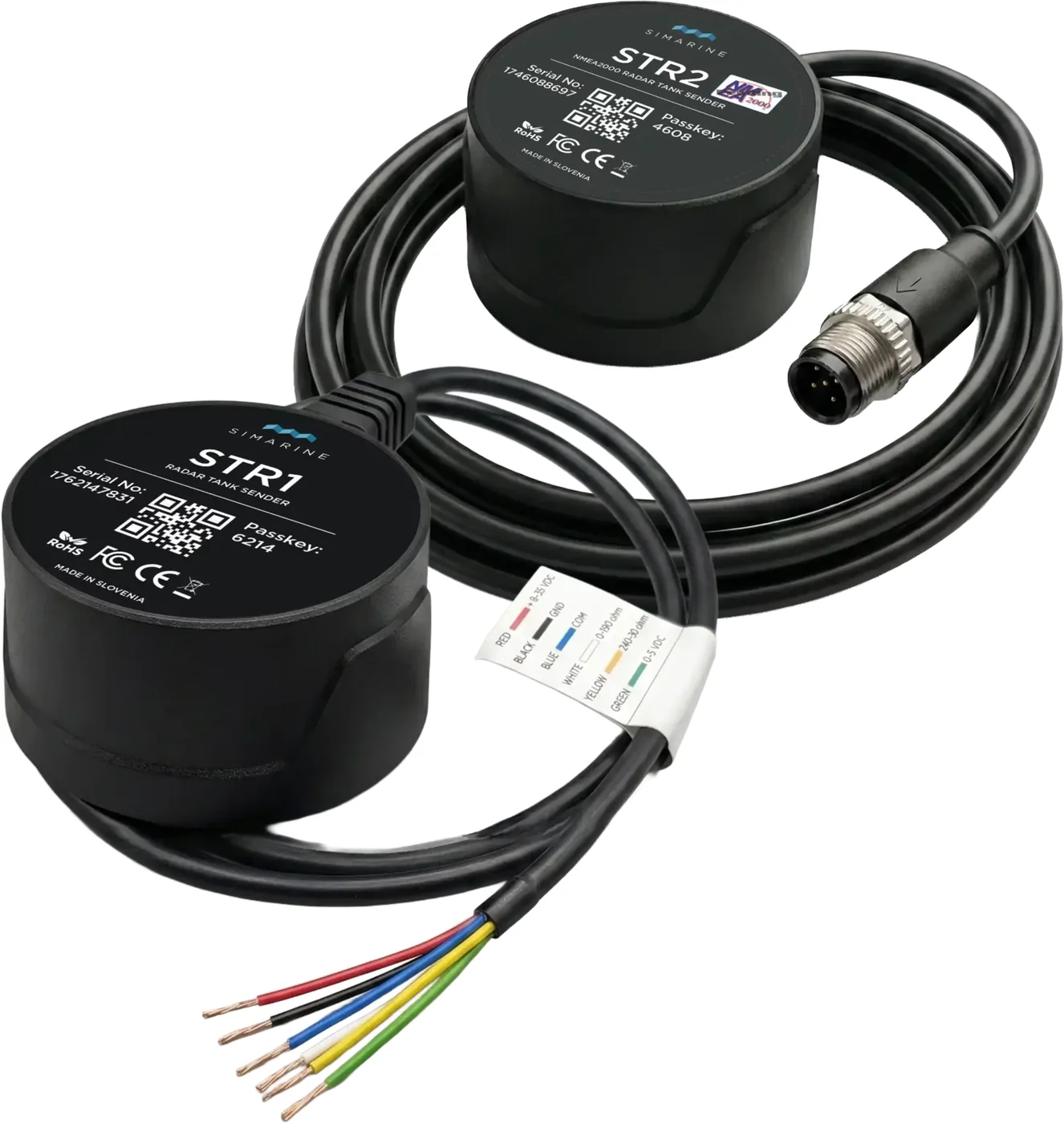
Simarine is a young Slovenian company with refined products. The PICO monitor takes up to 6 battery banks, 6 extra voltages, 14 tanks and 20 loads and generators — all values are also available on your phone. It also measures temperatures, and the STR radar sender reads tank levels without touching the liquid. Nereide panels switch the loads too, and over NMEA 2000 the data appears on the chart plotter.
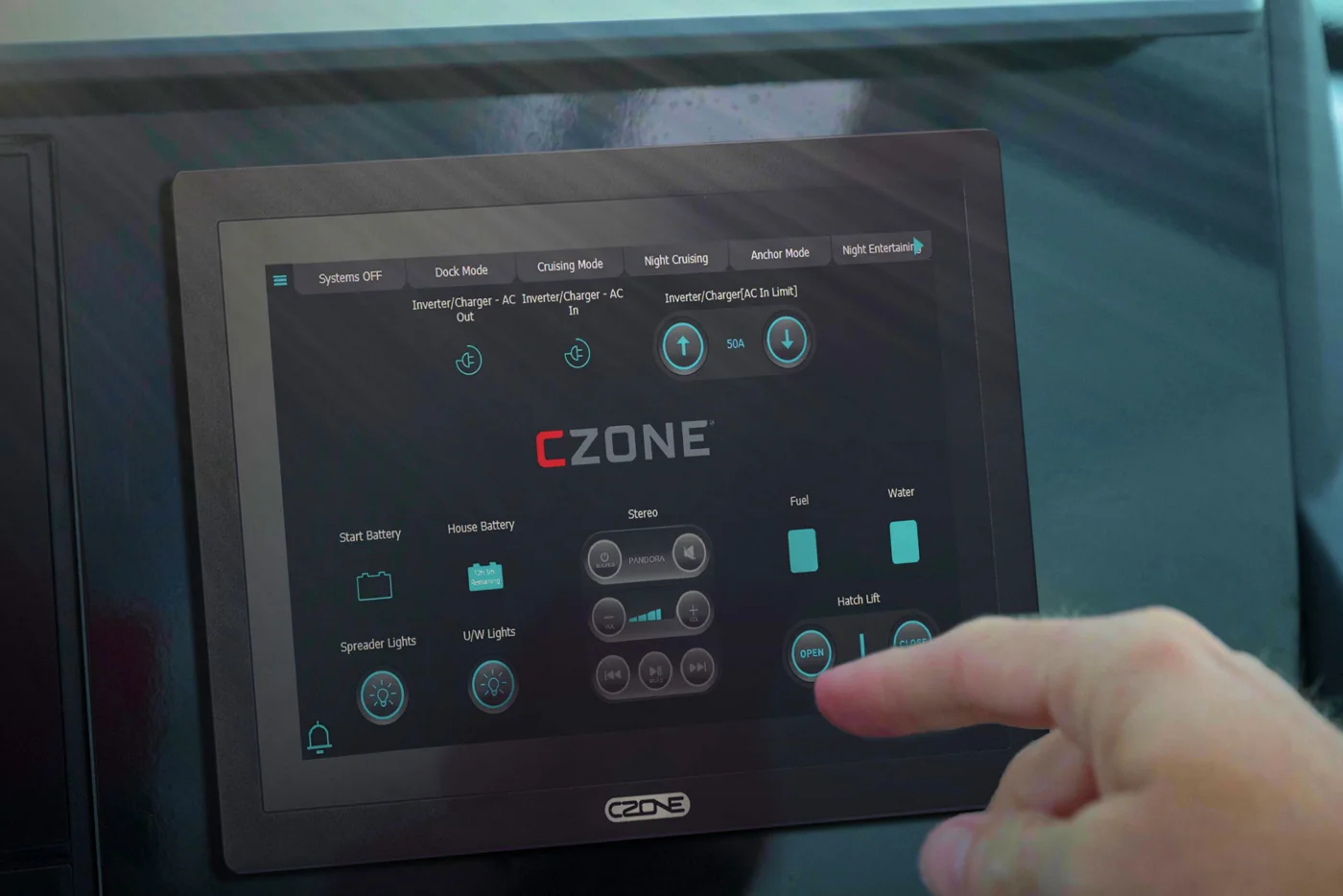
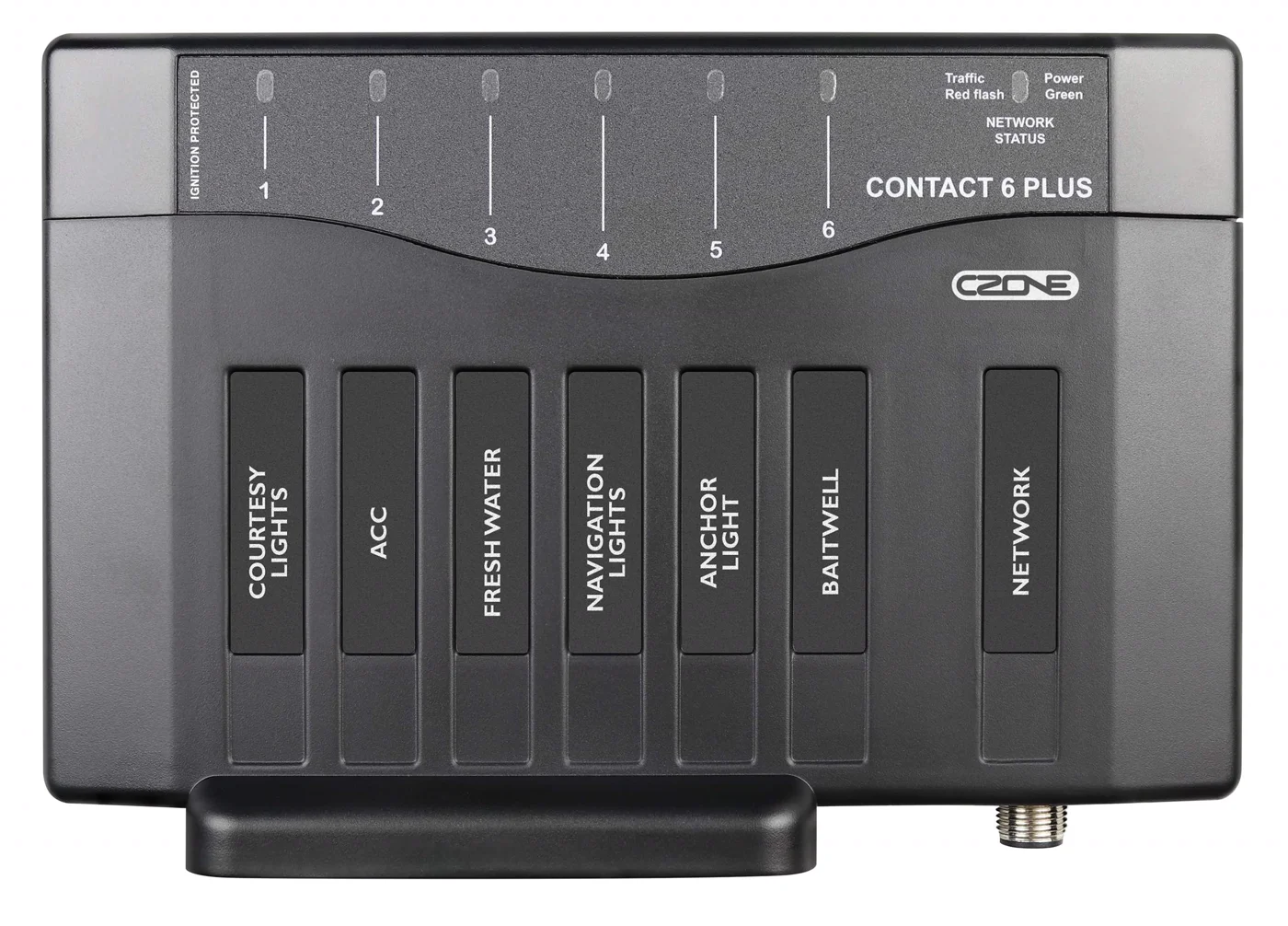
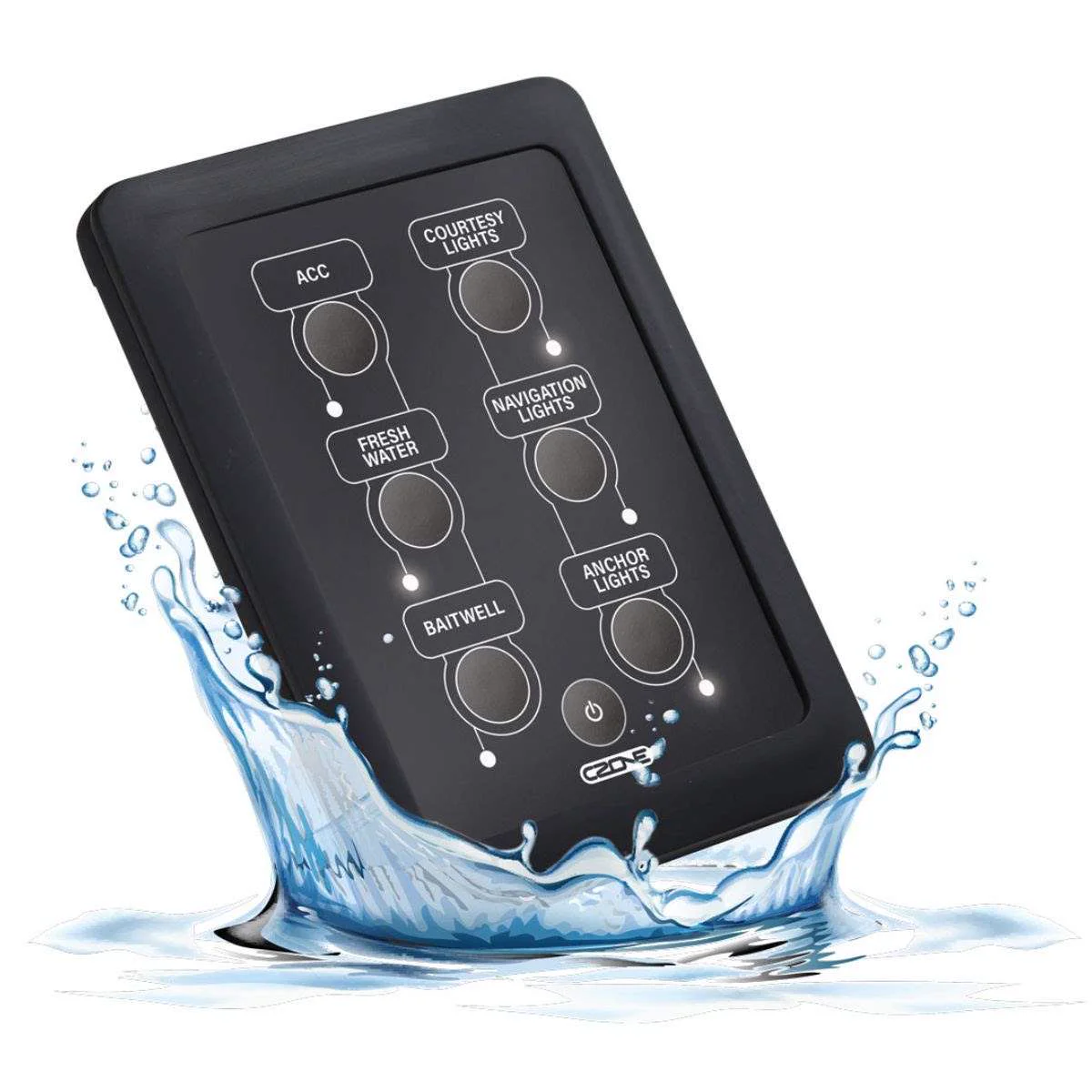
CZone replaces conventional switch panels with digital switching: you control circuits from a touchscreen, a waterproof keypad, a chart plotter or a tablet, while the system keeps track of batteries, AC power and tanks. A single touch selects a mode, such as night cruise or unattended, and the system switches every circuit that belongs to it.
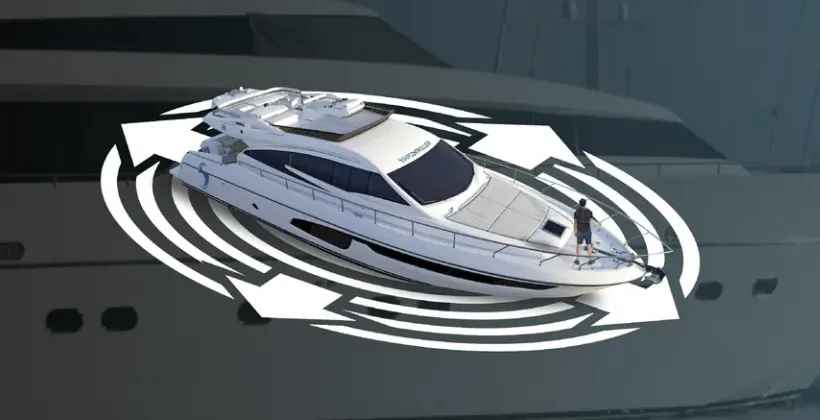
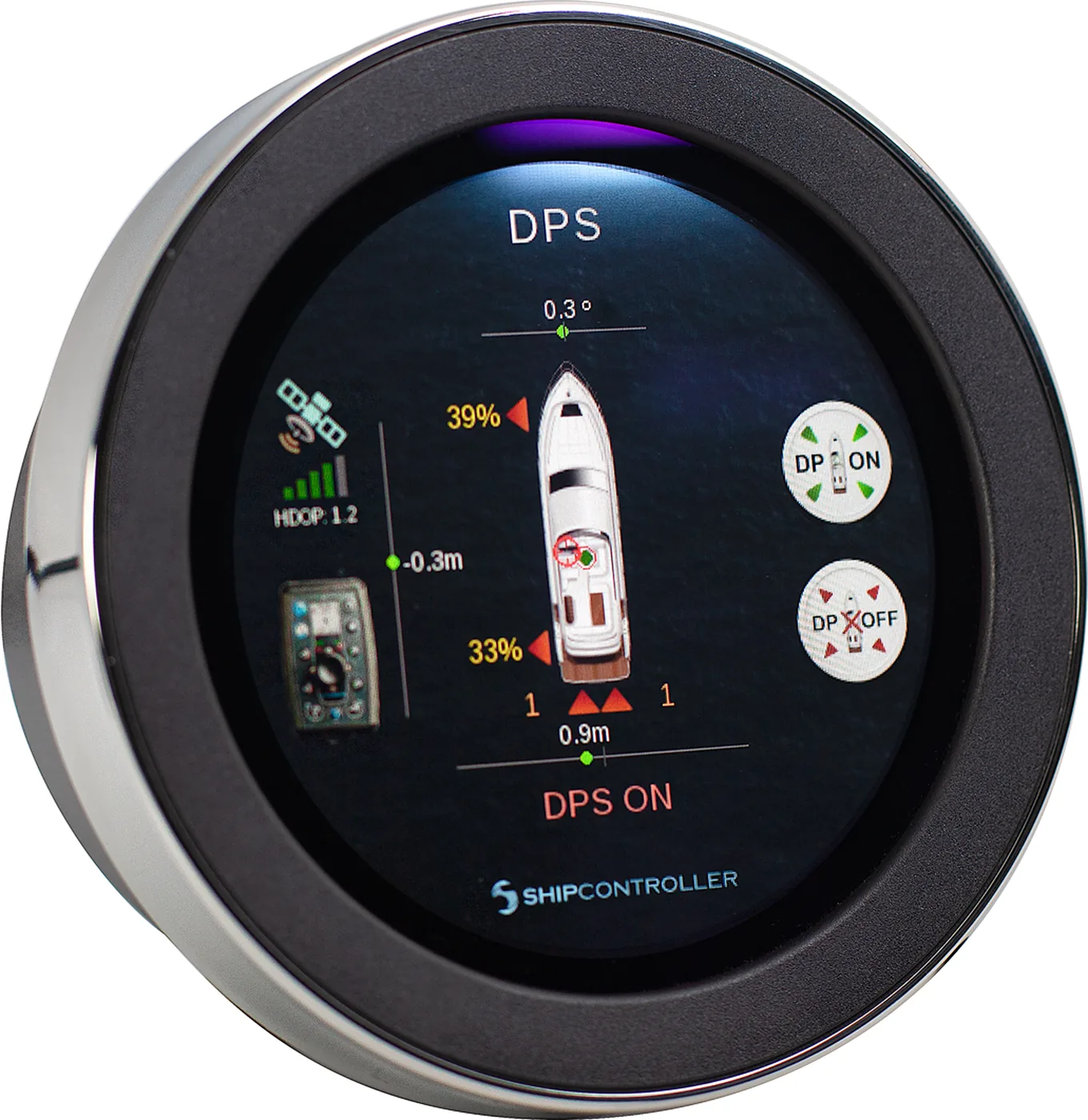
With Shipcontroller you control the boat wirelessly from anywhere on deck — when docking, you can take the position with the best view. The DPS system holds the boat in position automatically.
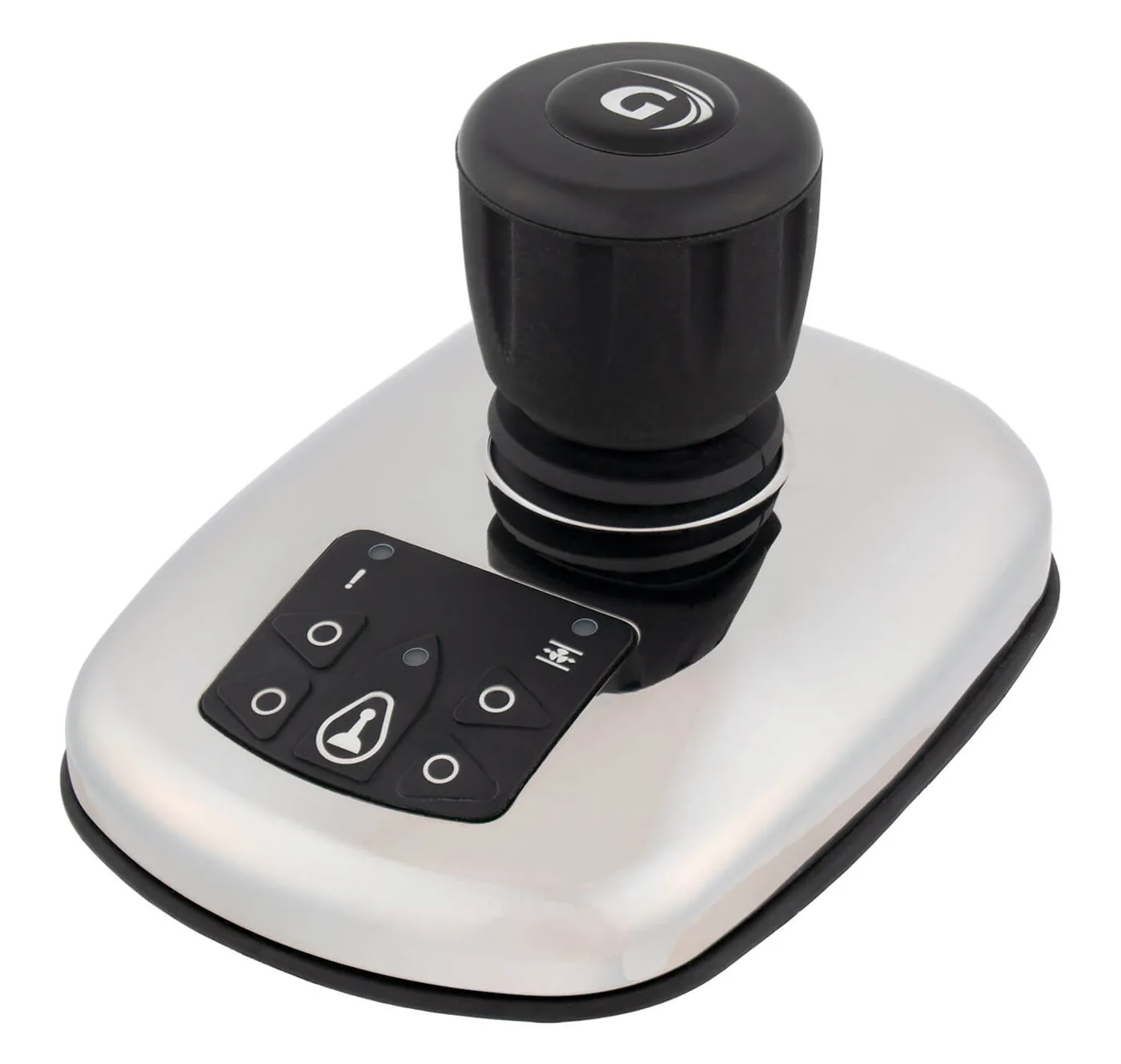
Glendinning makes electronic controls for motor and sailing yachts, and reels that wind in and stow the cable automatically.
You tell us about your boat and what you want to achieve.
We prepare a proposal with equipment, installation and price — clear, no small print.
We install it ourselves and connect it to your existing systems.
We walk you through it and stay your contact for service and upgrades.
Yes. A remote monitoring system sends battery, bilge or temperature alerts to your phone. On a Selene 54 we installed a Sentinel unit for this.
Often, yes — a few metres of network is enough to show engine data on the plotter. That is how we fitted out an Avon 400 tender.
The PICO monitor takes up to 6 battery banks, 6 extra voltages, 14 tanks, and 20 loads and generators. All values are also available on your phone.
Usually yes. Devices with NMEA 0183 and analogue senders, such as tank level sensors, are connected through suitable converters, so their data appears on the shared display.
With the wireless remote you control the boat from the deck, from the spot with the best view. The DPS system can hold the boat in position automatically while you prepare the lines.
19 November 2026
Simarine has launched the STR radar tank level sender. It measures water, waste or fuel levels without touching the liquid, from outside through the tank lid.
19 November 2026
Glendinning offers a standard range of controls for electric boat propulsion, with J1939 CAN or analogue output and IP68 waterproofing.
9 October 2026
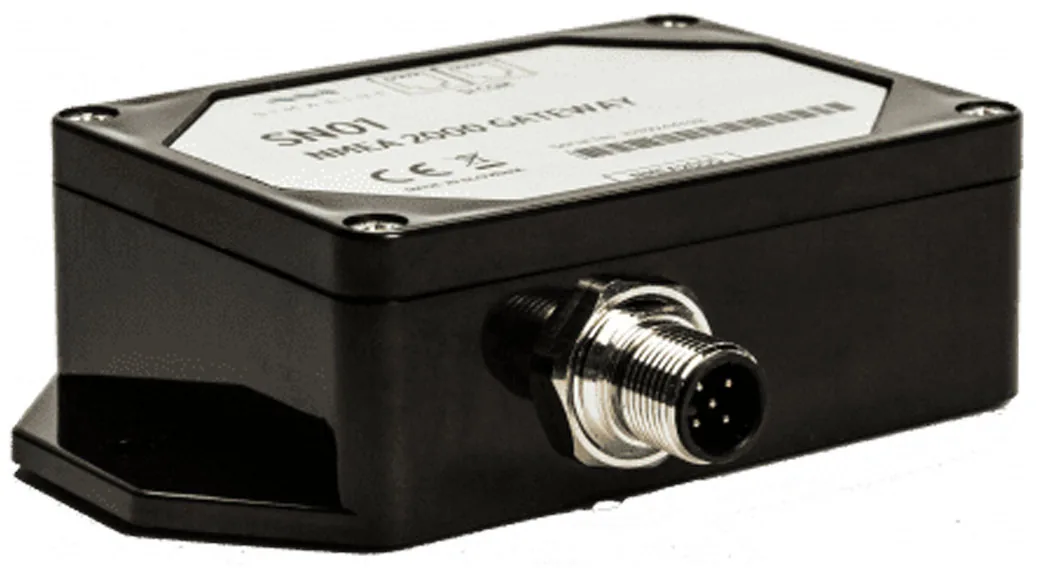
Engine, batteries, tanks, GPS and instruments each have their own data. NMEA 2000 brings it all onto one screen, whoever made the device.
9 October 2026
Voltage is only a partial indicator of battery condition. Battery monitoring on a boat with a shunt shows the real state of charge, with water and fuel levels on the same display.
9 October 2026
When berthing stern-to, the helm is often far from where you need to see. Wireless remote control lets you handle the boat from the stern, the bow or the side deck.
24 November 2020
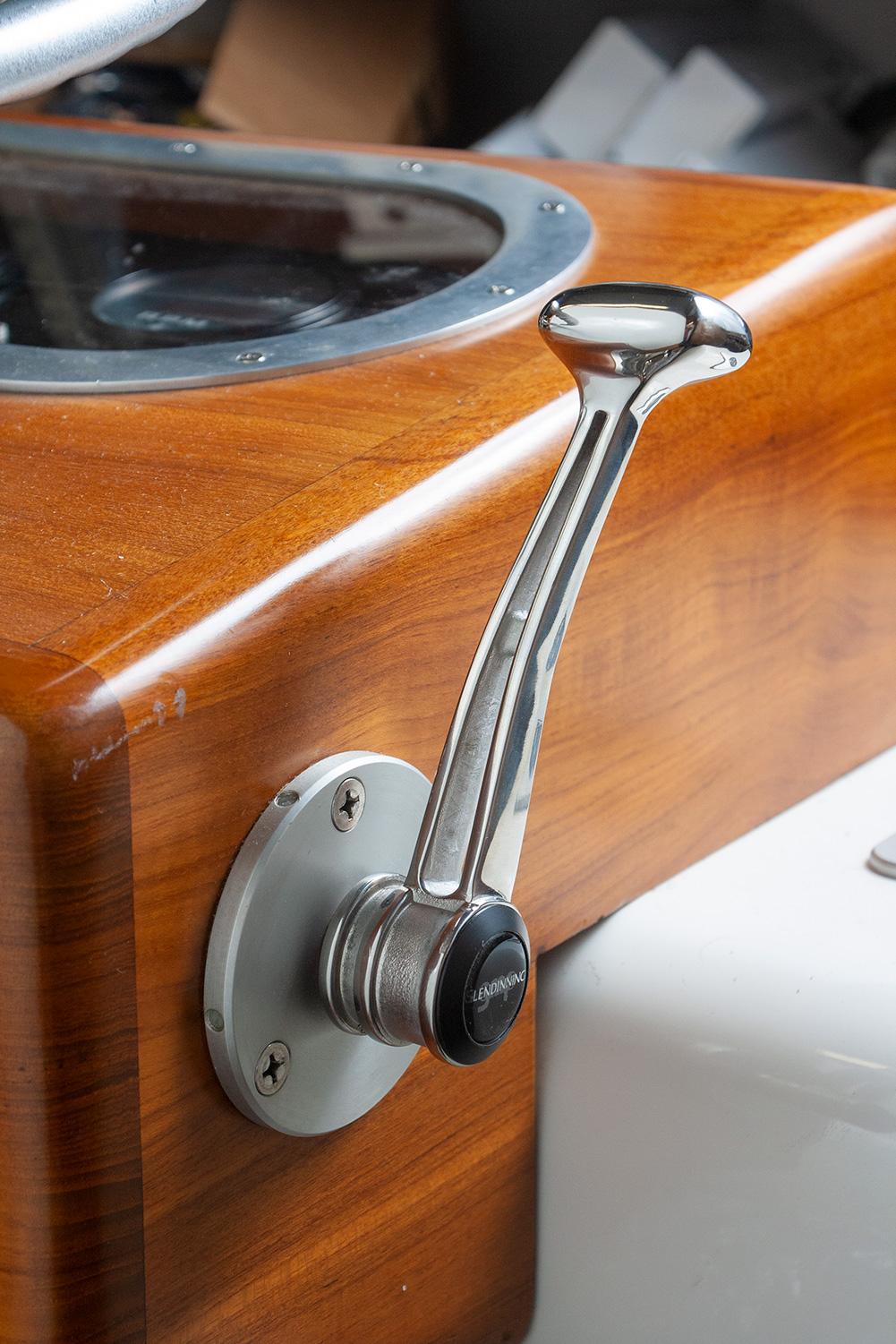
Electronic engine controls can be fitted to a sailing yacht too. Glendinning Smart Actuator II makes them possible on almost any type of engine and gearbox.
Tell us what you want to monitor and from where. We will propose only the network and sensors you need.