Lithium batteries
One of the leading and most established brands of marine electrical systems, with more than 35 years of experience, part of Navico Group. Its chargers, inverters, batteries and monitoring are designed as one connected system.

No results. Please call us — we can order most equipment that is not listed.
Marine equipment · Power
Batteries, chargers, inverters and solar panels — chosen for how much you use, installed and set up for a dependable power supply at anchor.






Lithium batteries
One of the leading and most established brands of marine electrical systems, with more than 35 years of experience, part of Navico Group. Its chargers, inverters, batteries and monitoring are designed as one connected system.
Chargers, inverters and distribution
American maker of components for marine electrical installations, with more than 1,000 products designed to work together. Its protection, switching, distribution and monitoring are built for the harsh marine environment, for reliable operation and to ABYC standards.
Chargers, inverters and distribution
Maker of electrical equipment for harsh marine conditions, designed in New Zealand and now part of Navico Group. Its range covers battery management from a single battery switch to the Smart Battery Hub, together with distribution panels and meters, all backed by a five-year warranty on parts.
Chargers, inverters and distribution
American manufacturer from Tampa, Florida, that designs and assembles waterproof electronics for fitting into boat dashboards. Its range covers wireless phone chargers, waterproof USB chargers and 12 V sockets, built for the marine environment.
Shore power inlets and cables
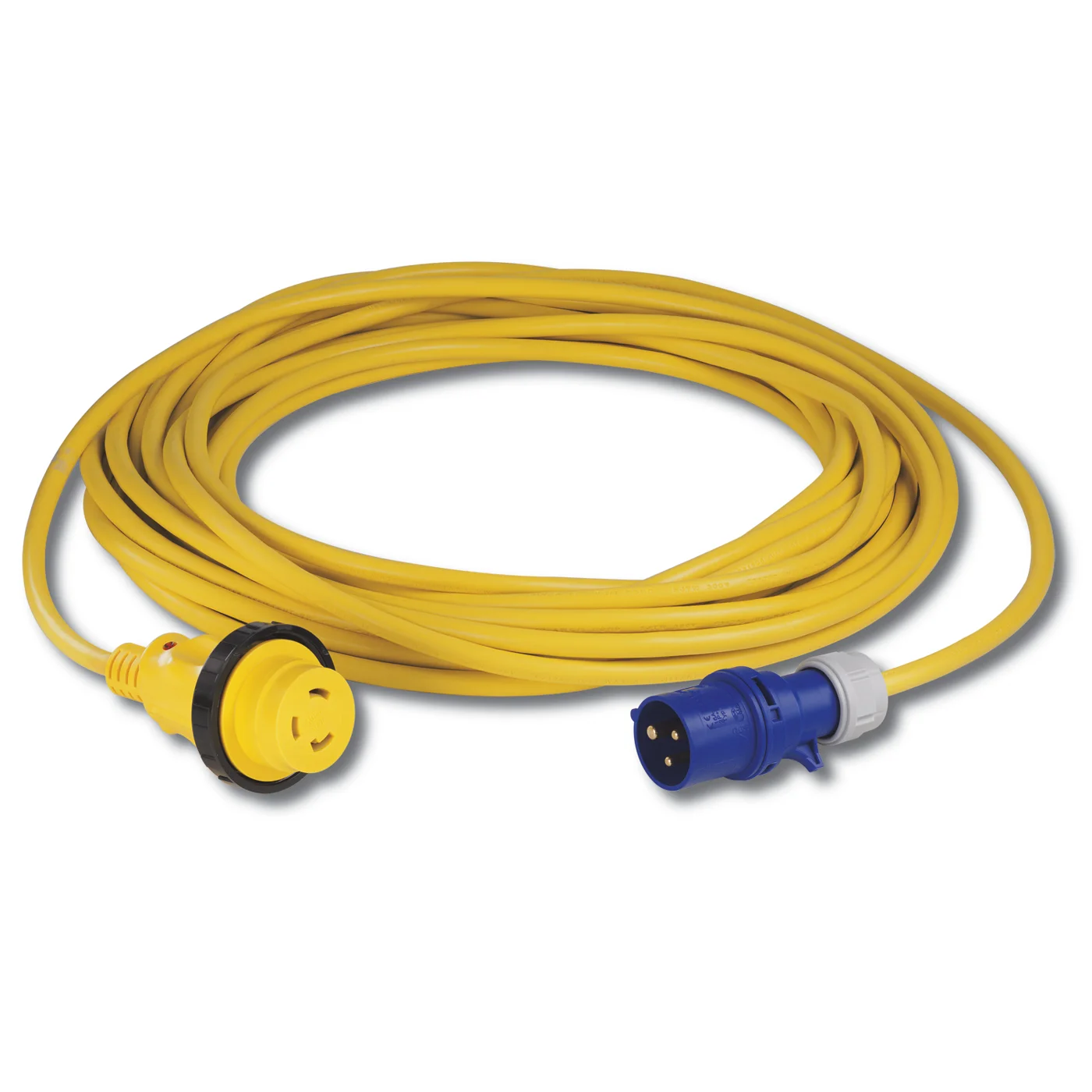
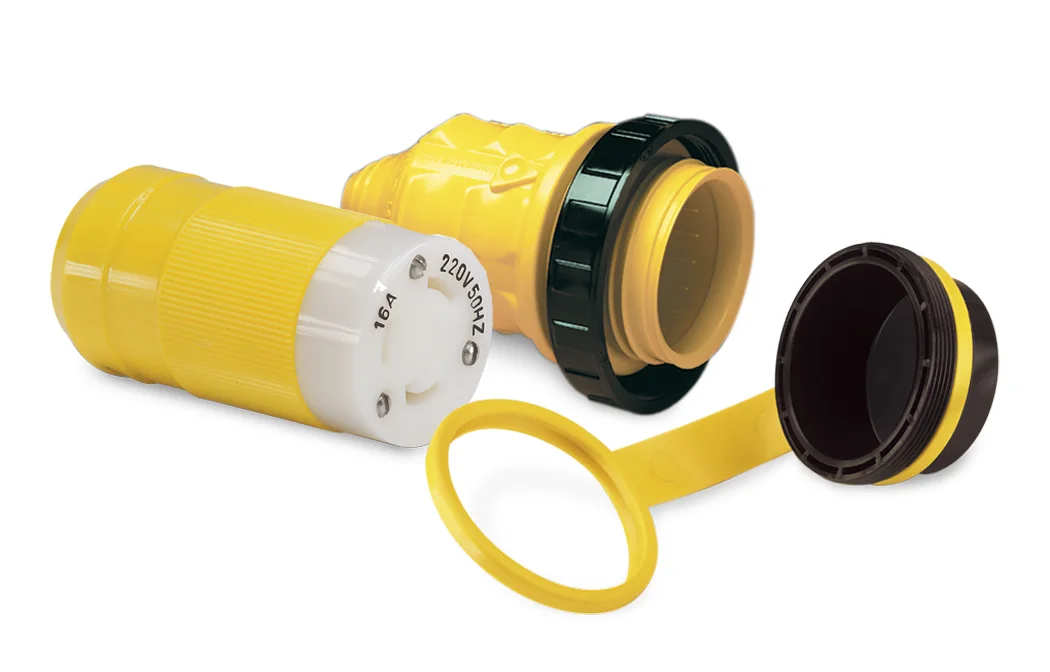
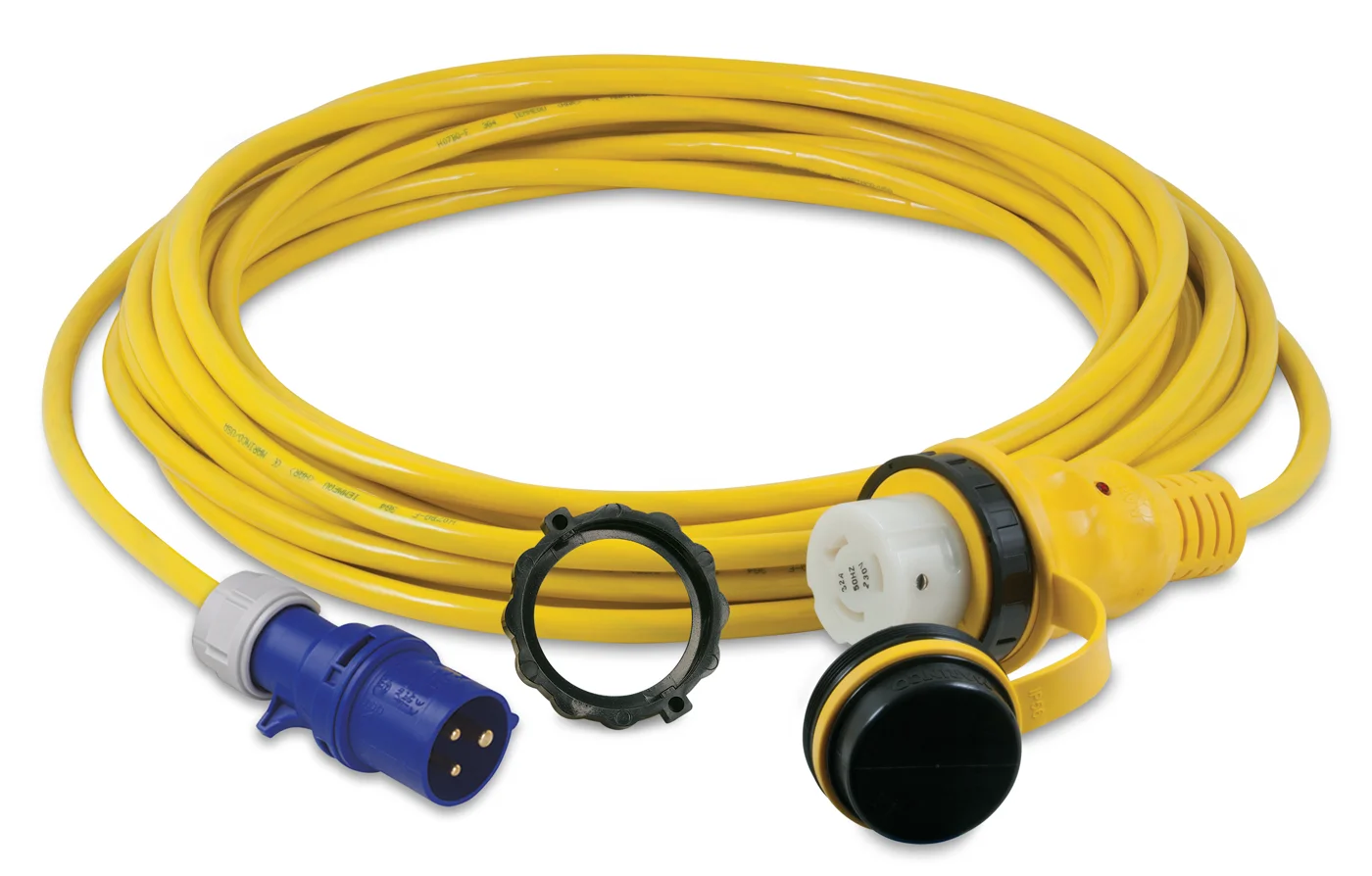
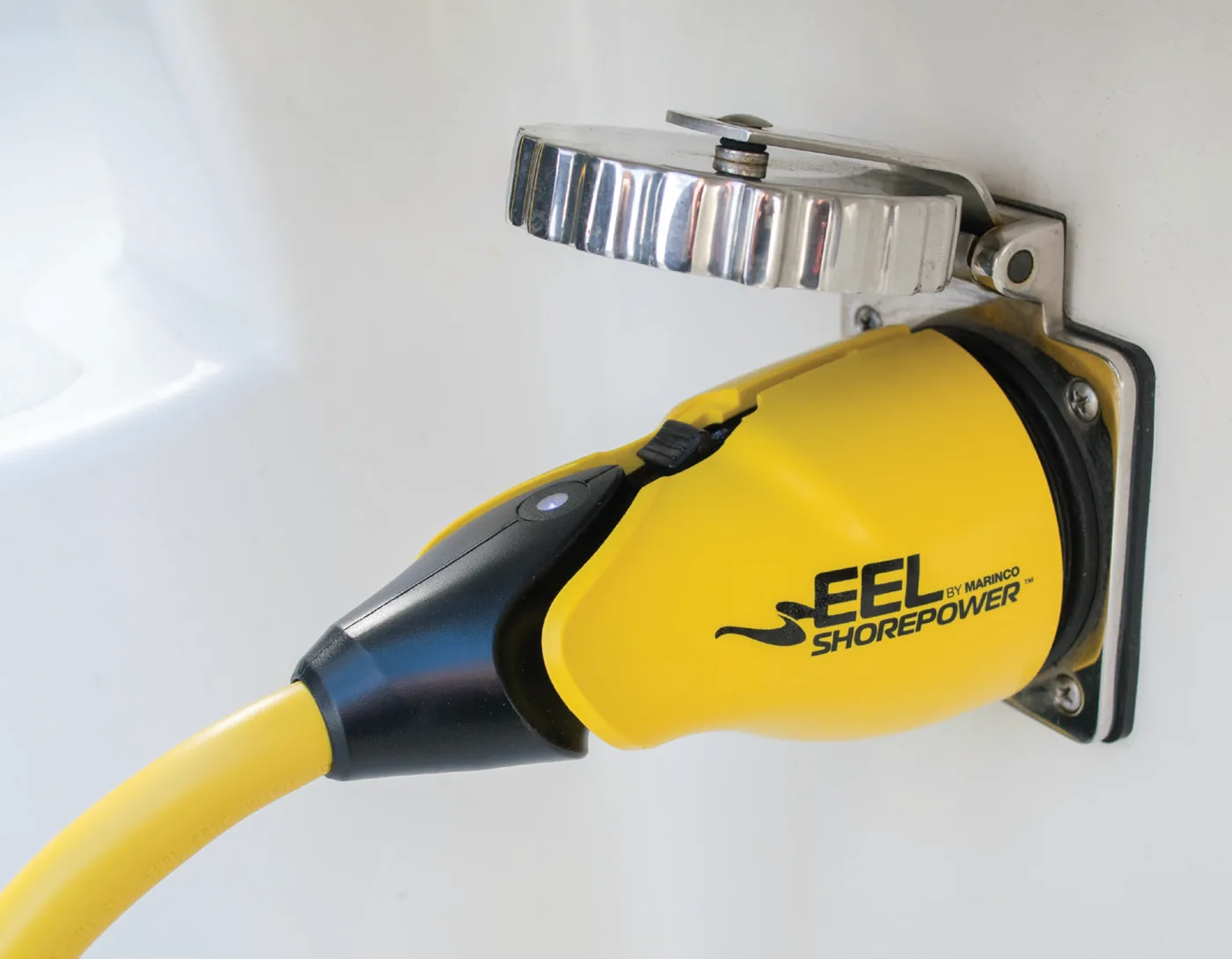
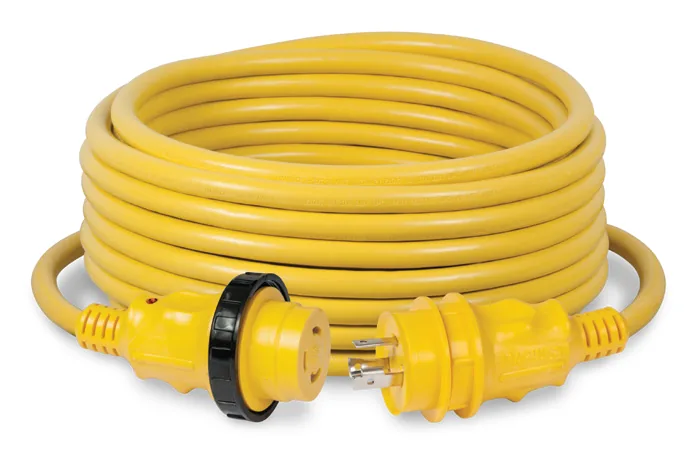
American maker of marine electrical connections, building shore-power cords and inlets since 1972. We supply its shore-power inlets, cordsets, plugs and connectors for 16, 32 and 63 A marina supplies, and 12 V and USB sockets for on board.
Solar panels
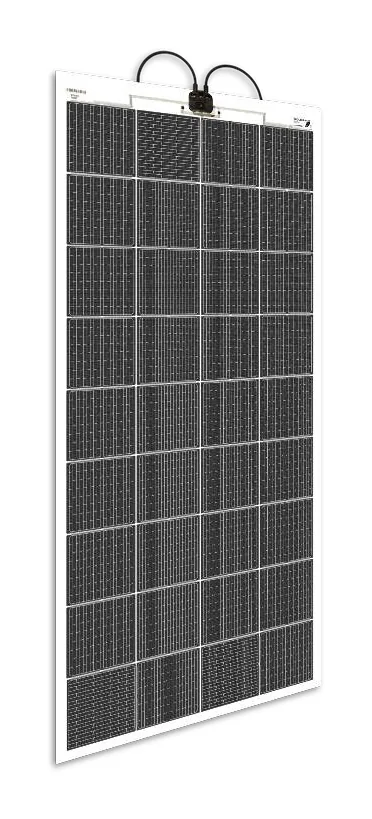
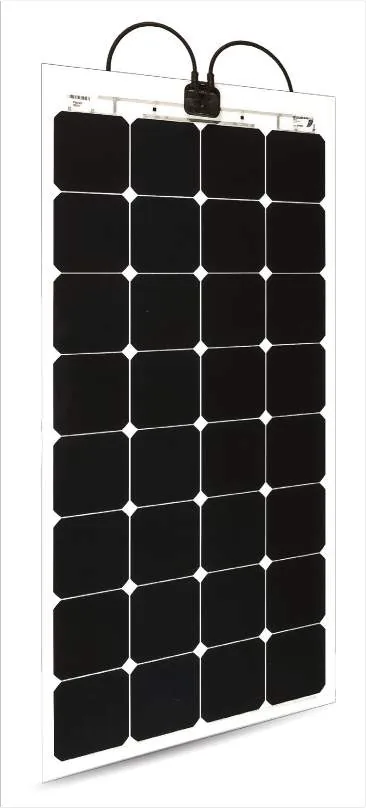
Italian maker of flexible solar panels for boats: thin, light, walk-on panels that follow the deck, bimini or coachroof.
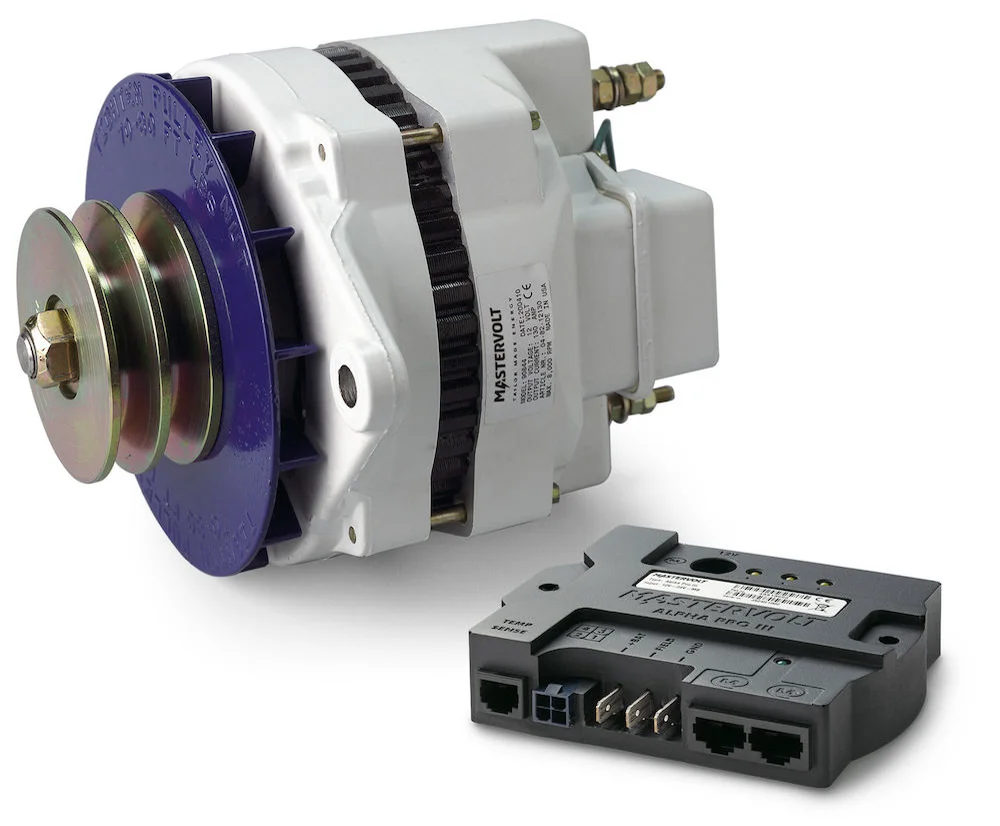
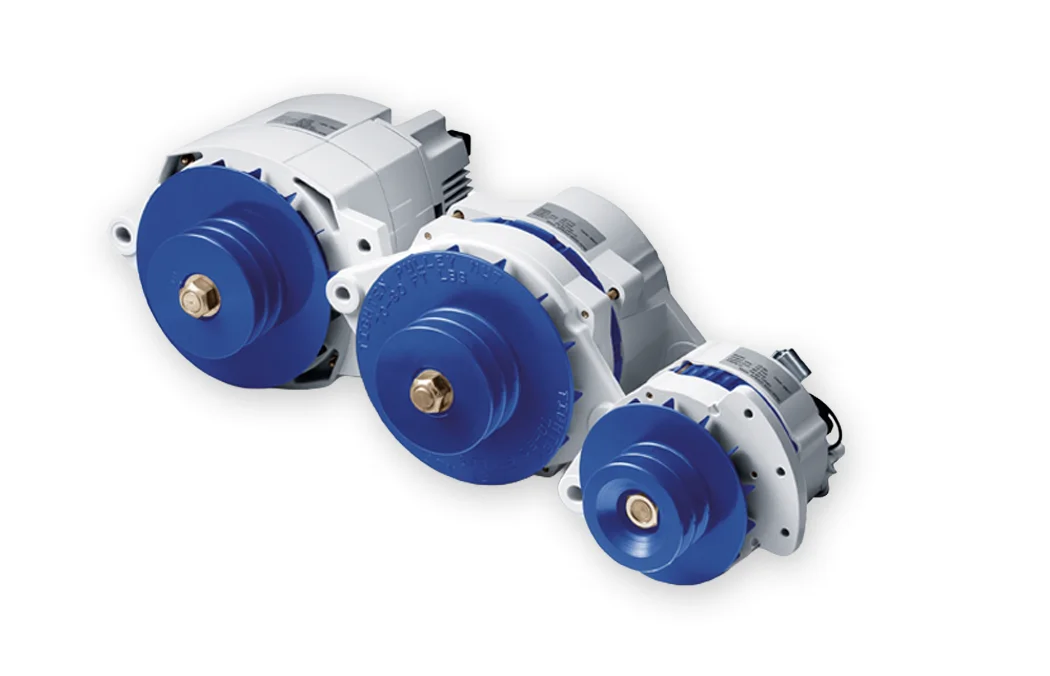
One of the leading and most established brands of marine electrical systems, with more than 35 years of experience, part of Navico Group. Its chargers, inverters, batteries and monitoring are designed as one connected system.
Catalogues
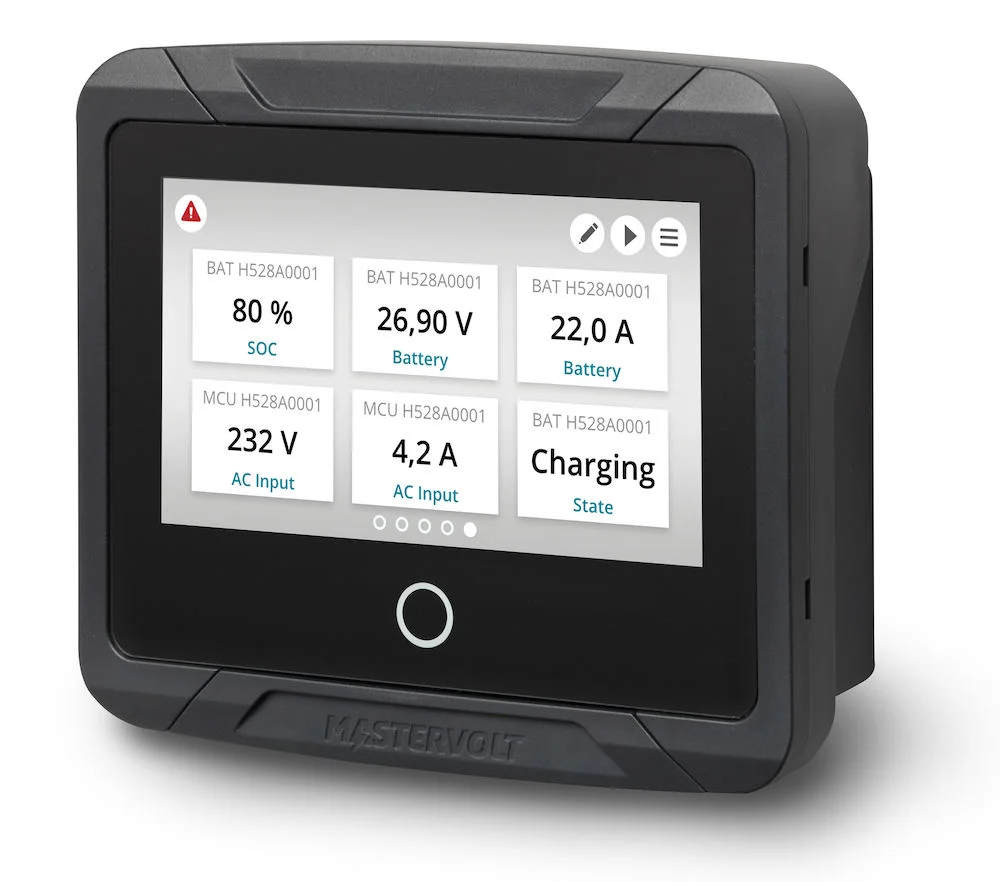
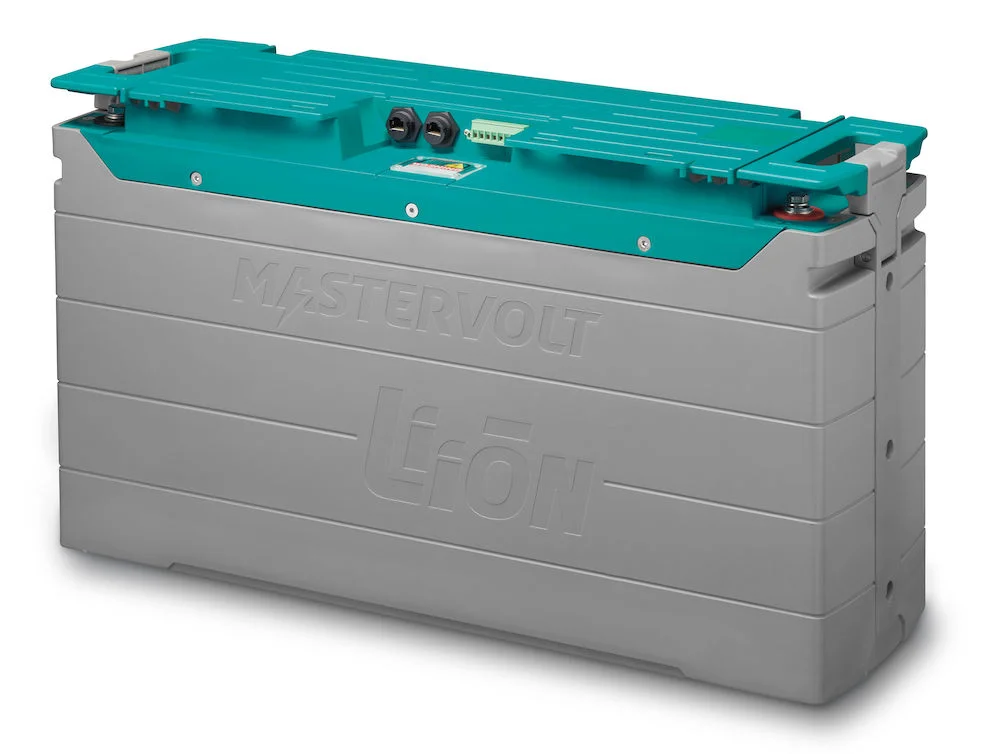
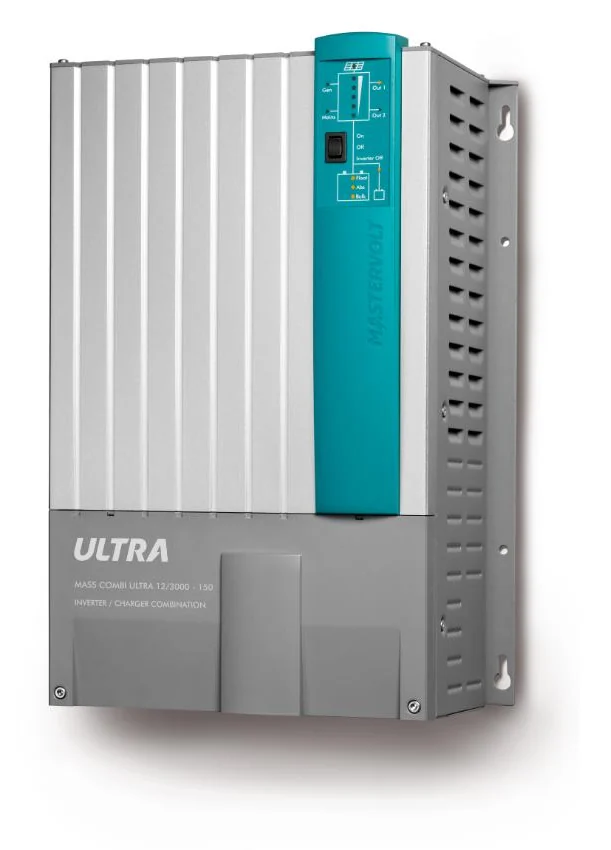
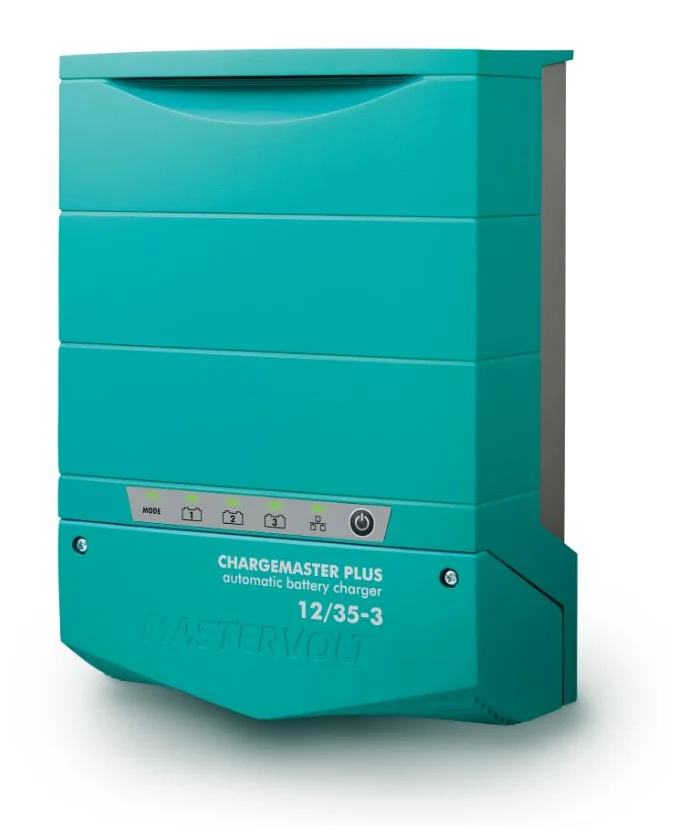
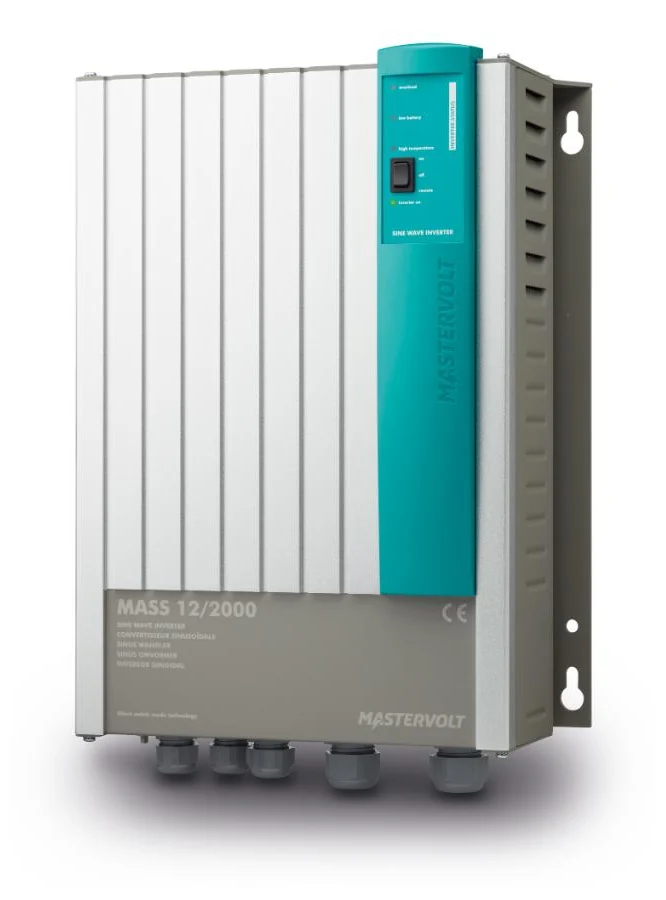
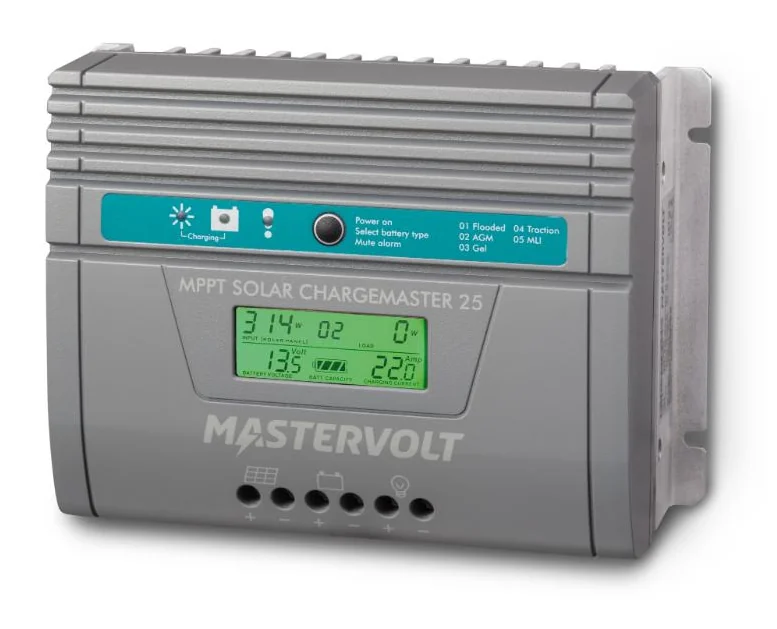
American maker of components for marine electrical installations, with more than 1,000 products designed to work together. Its protection, switching, distribution and monitoring are built for the harsh marine environment, for reliable operation and to ABYC standards.
Catalogues
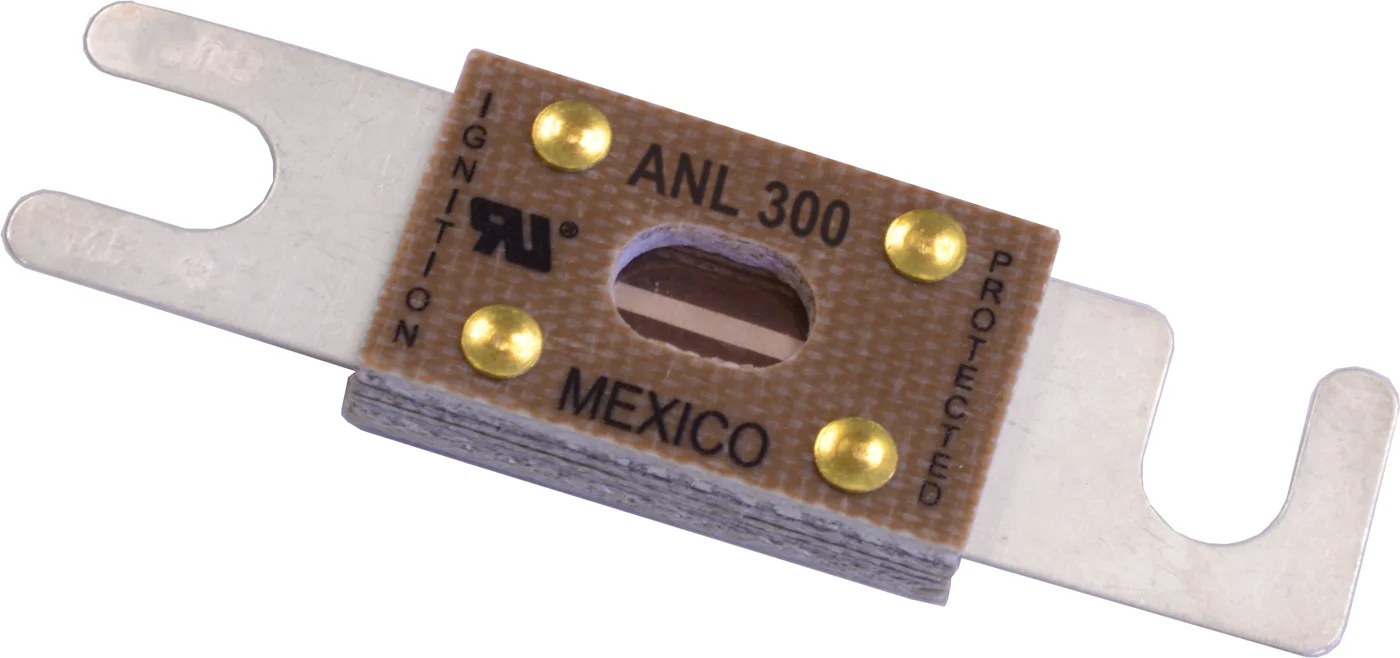
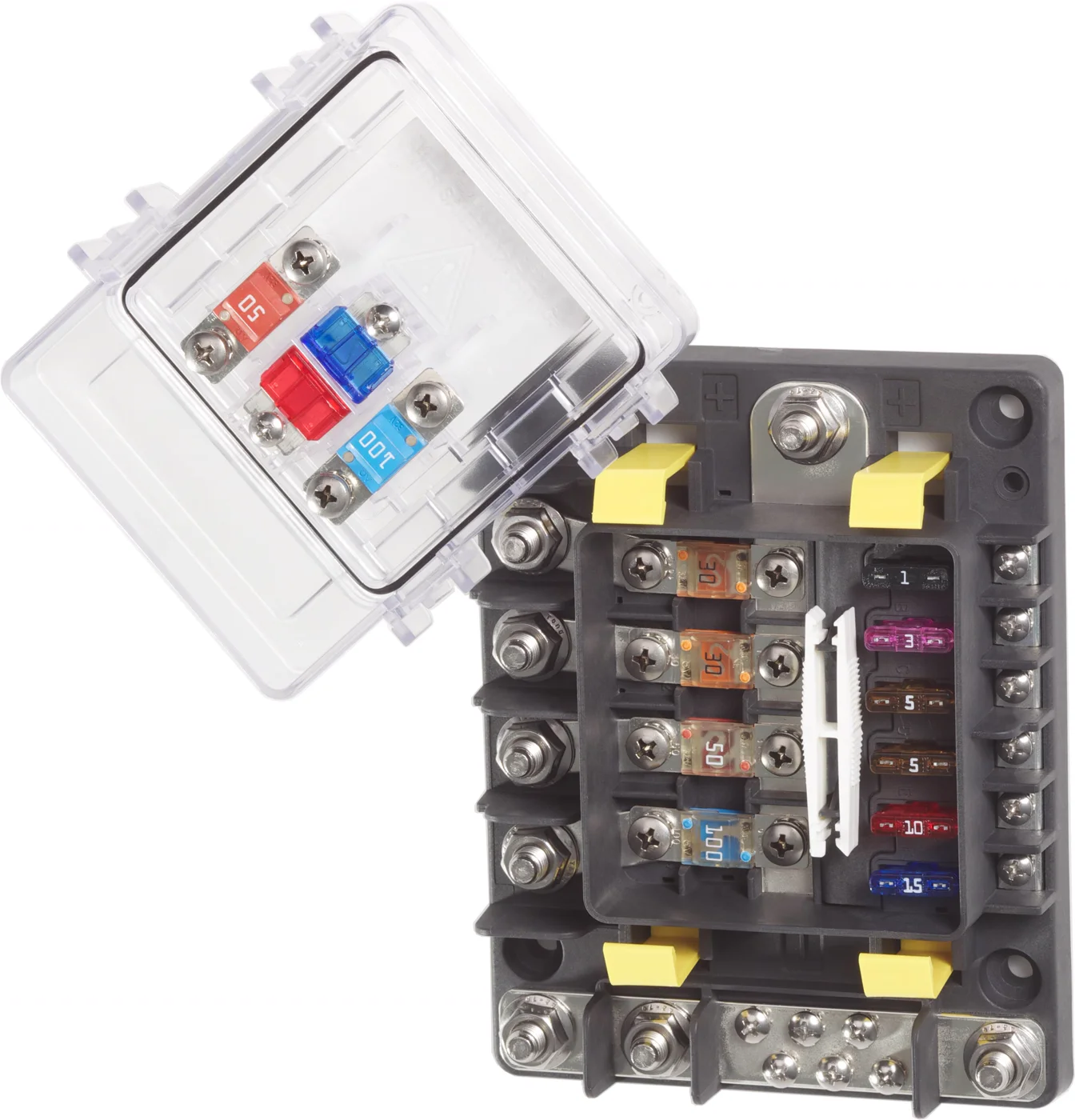
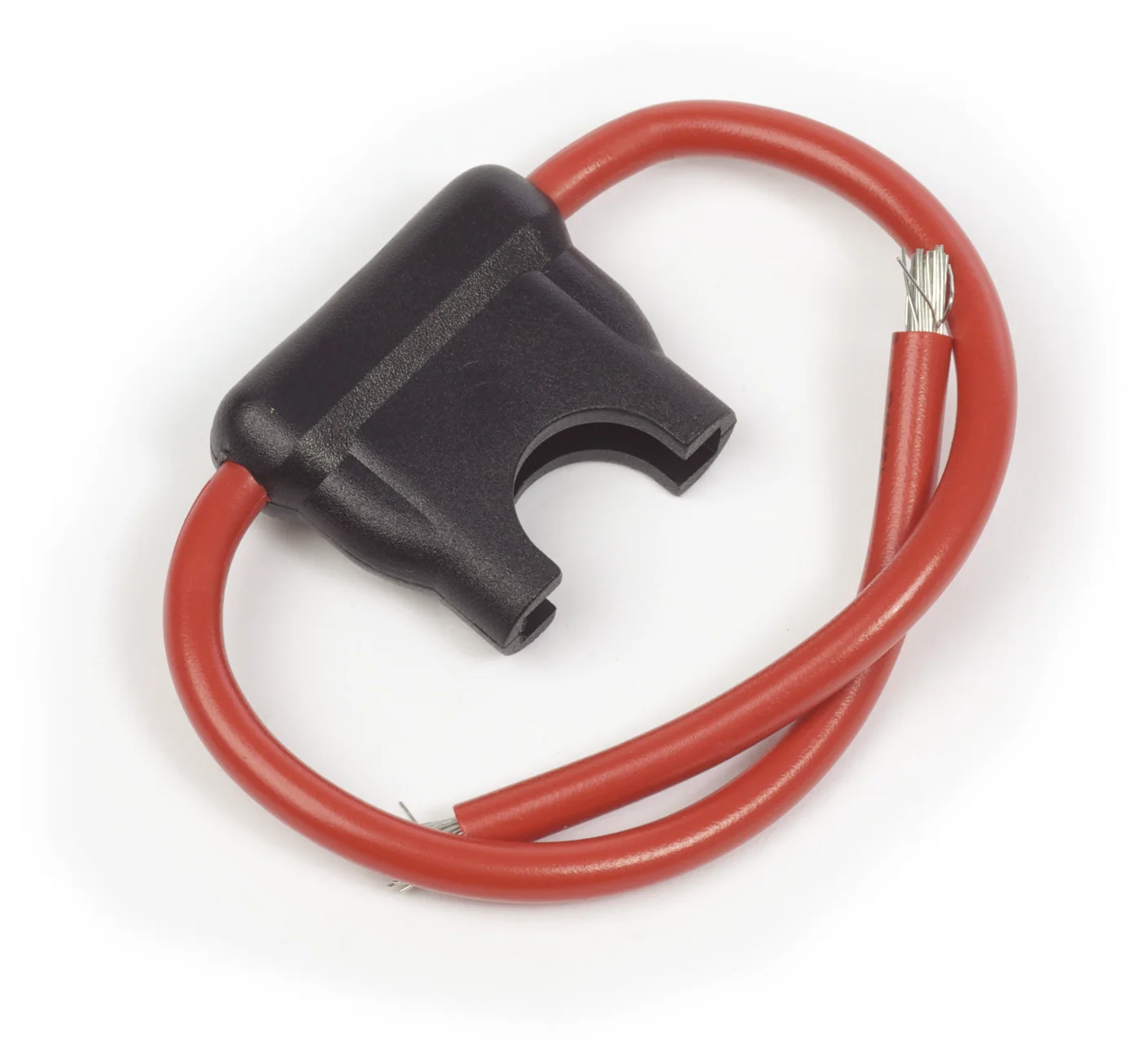
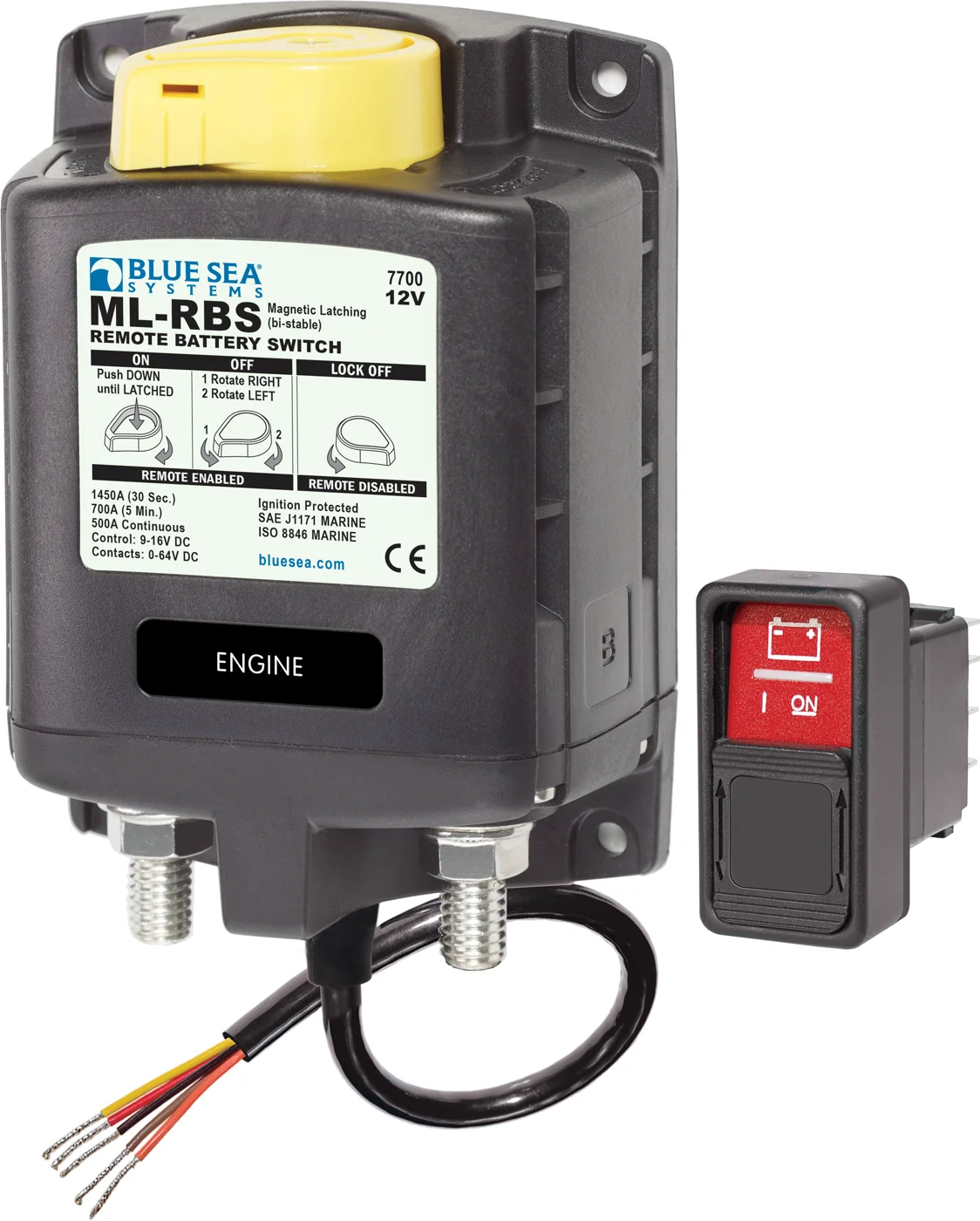
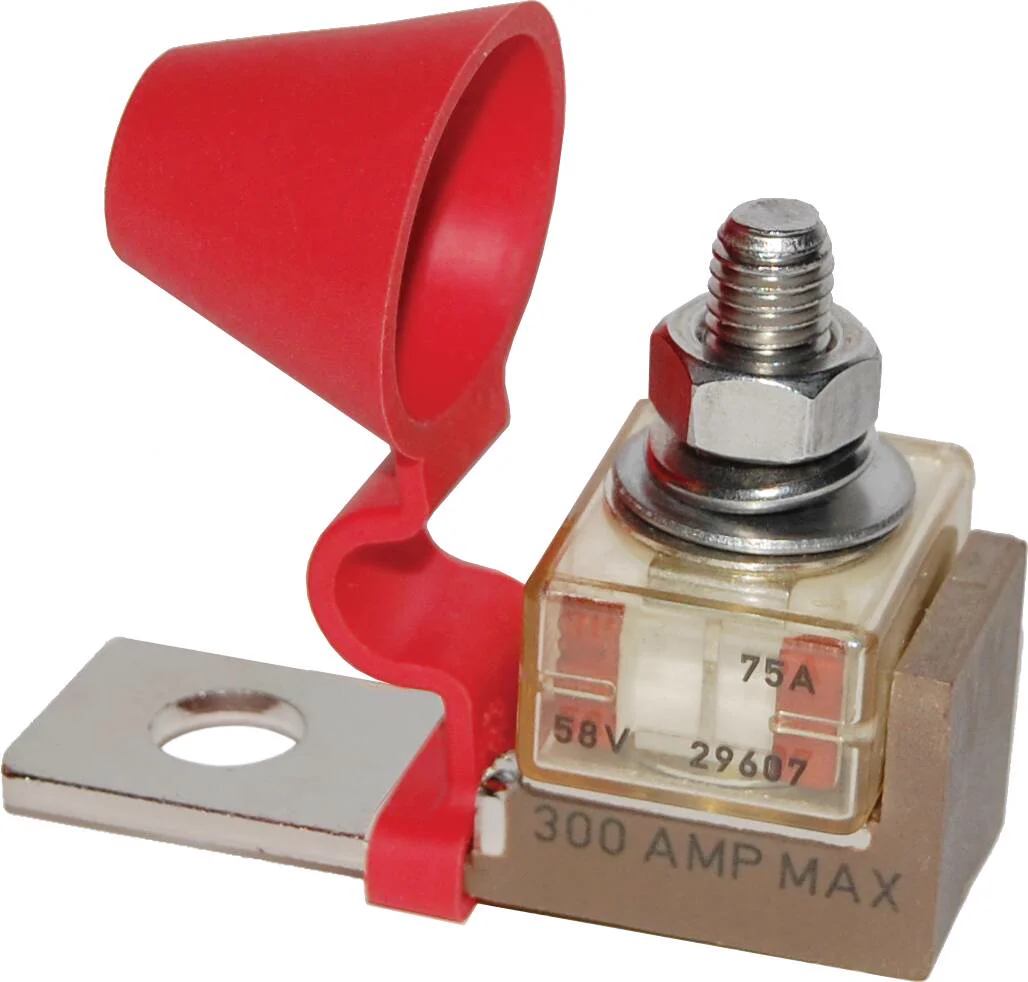
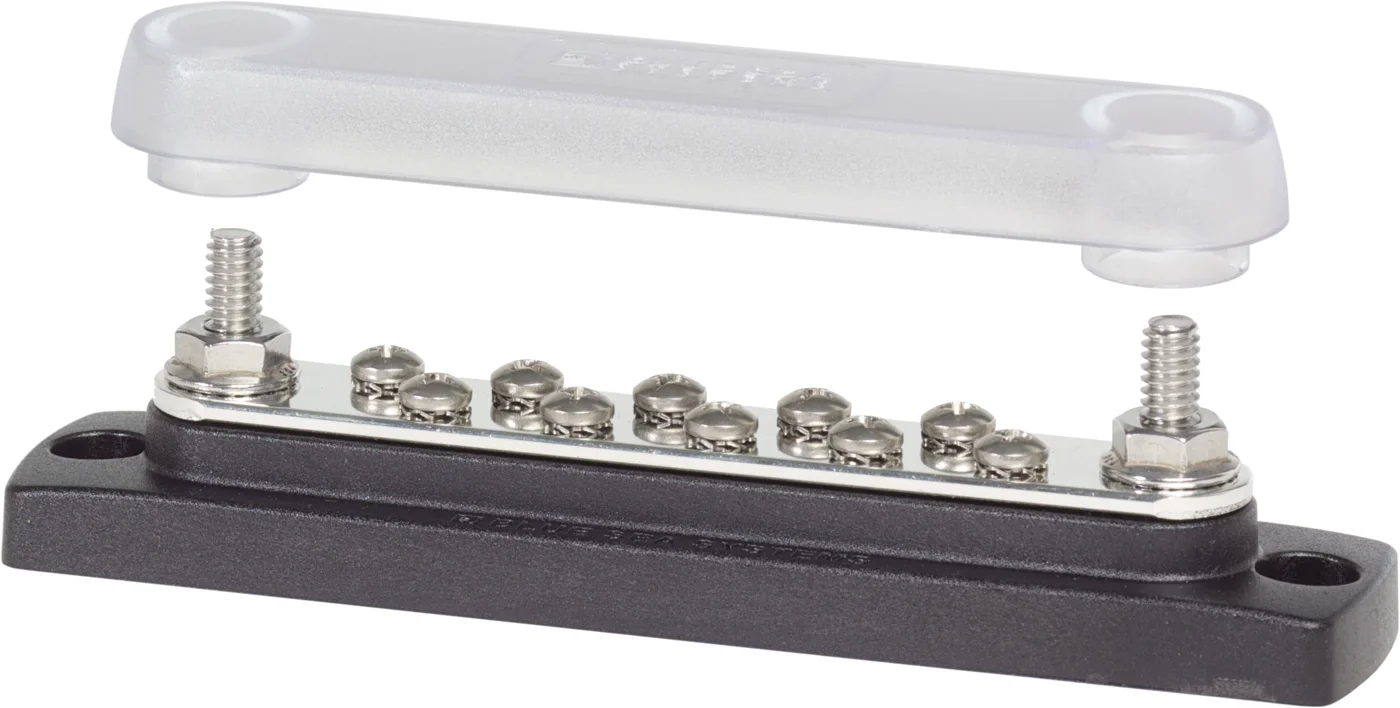
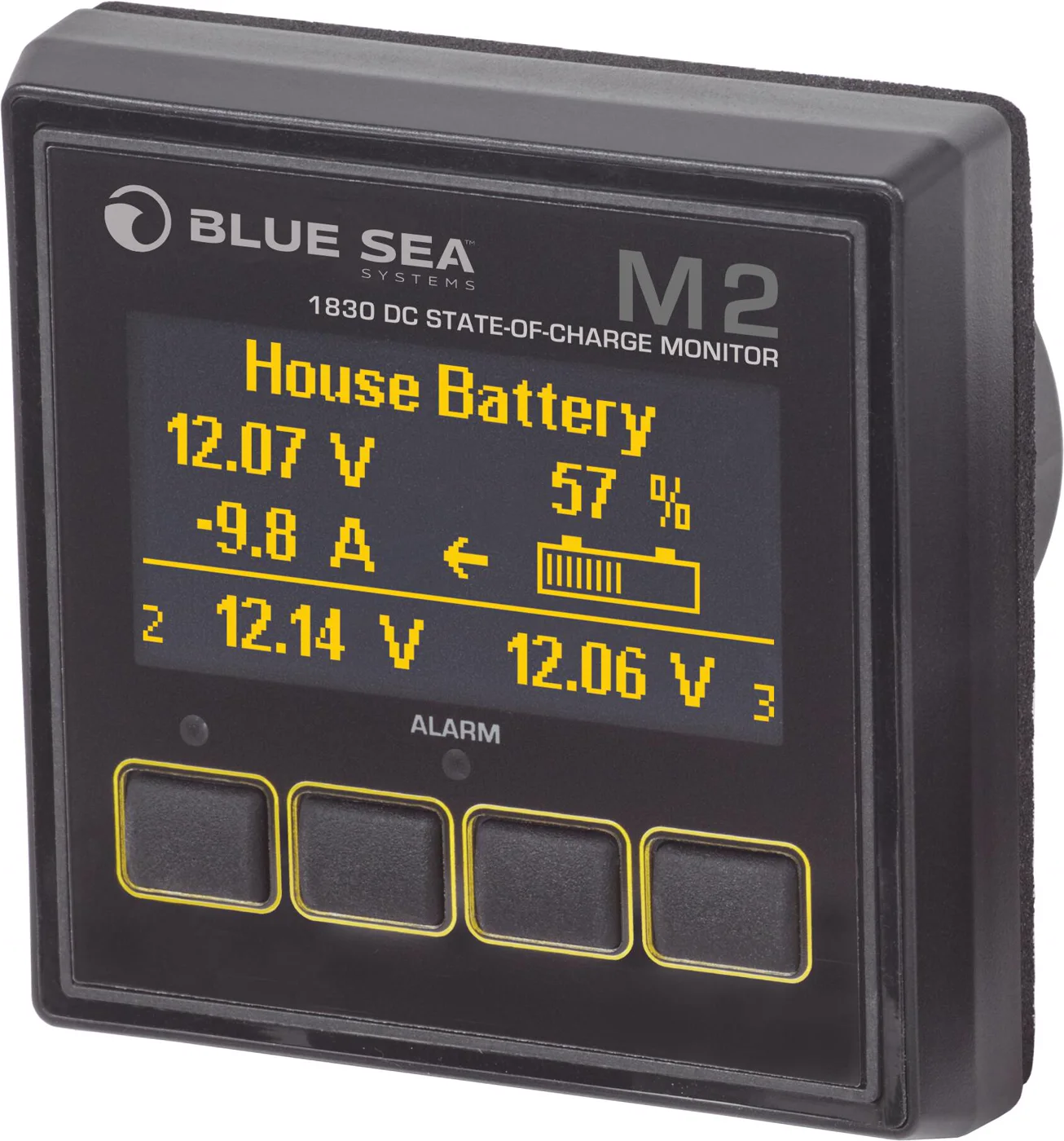
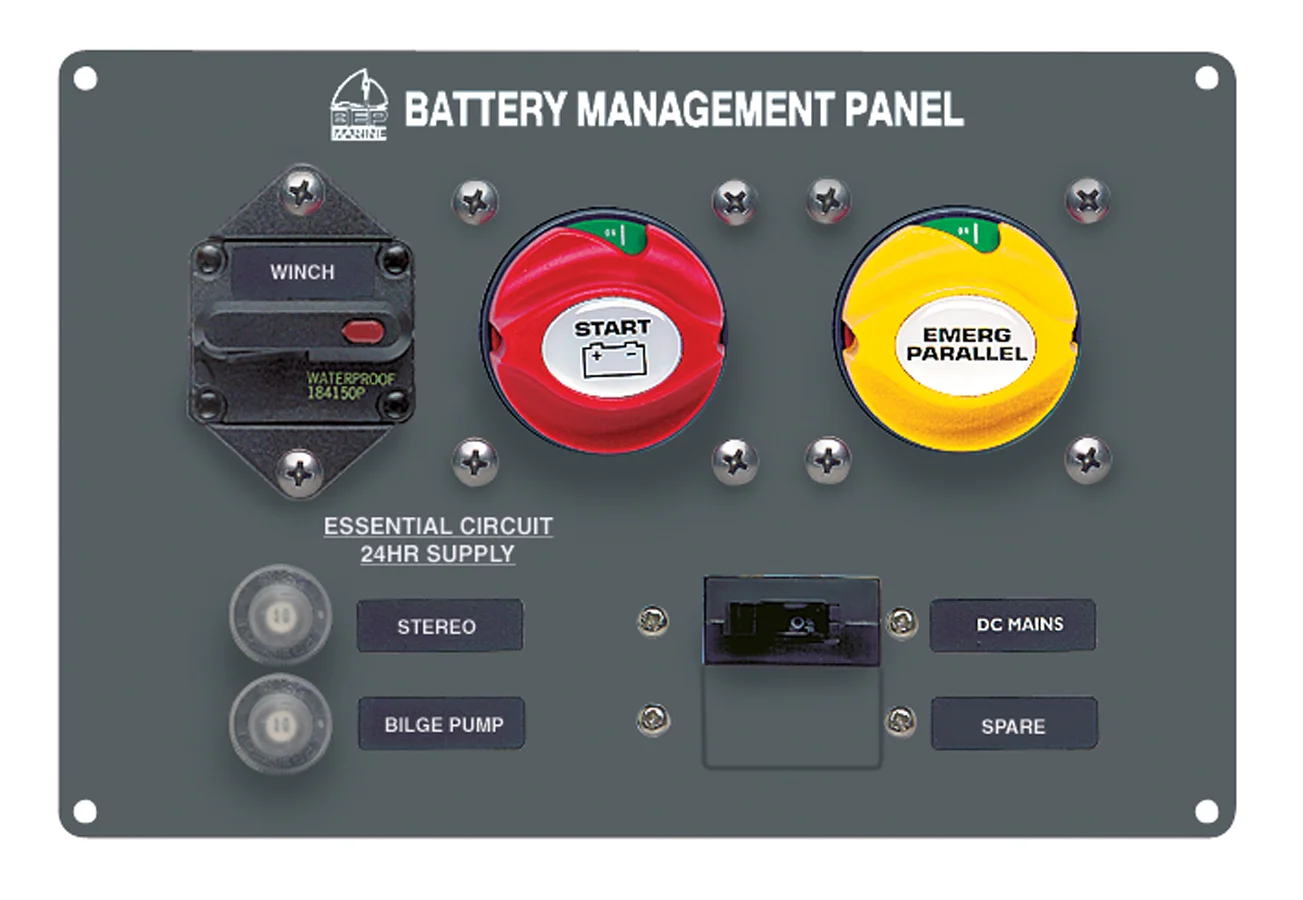
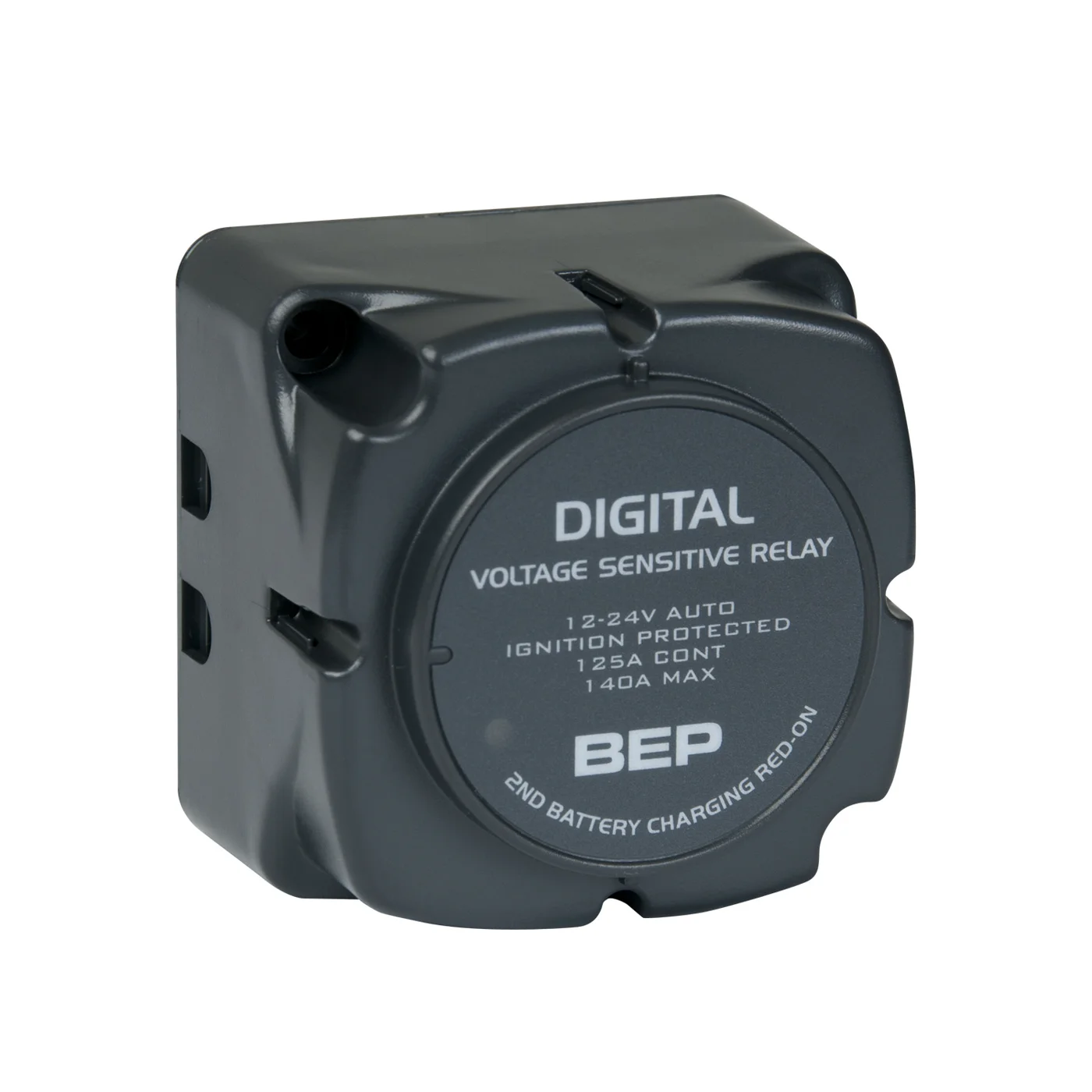
Maker of electrical equipment for harsh marine conditions, designed in New Zealand and now part of Navico Group. Its range covers battery management from a single battery switch to the Smart Battery Hub, together with distribution panels and meters, all backed by a five-year warranty on parts.
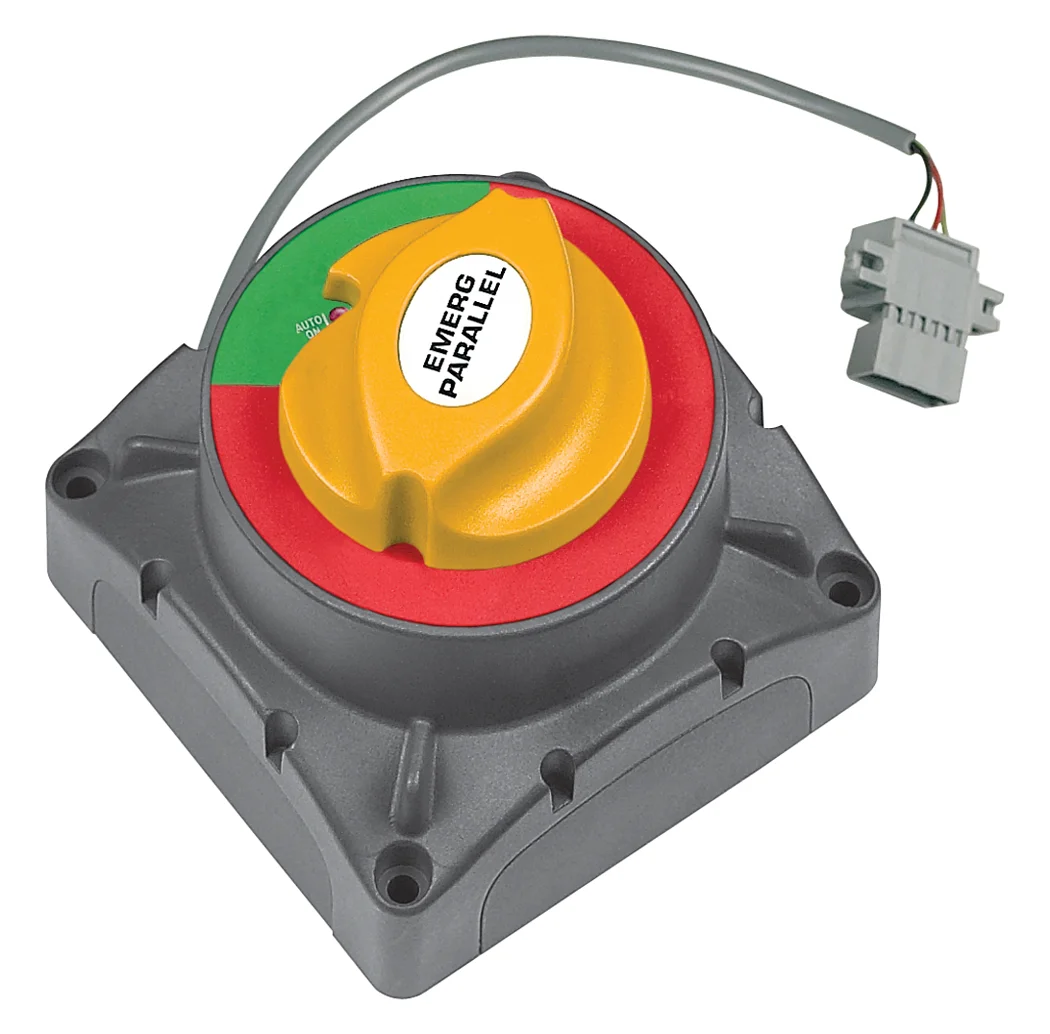
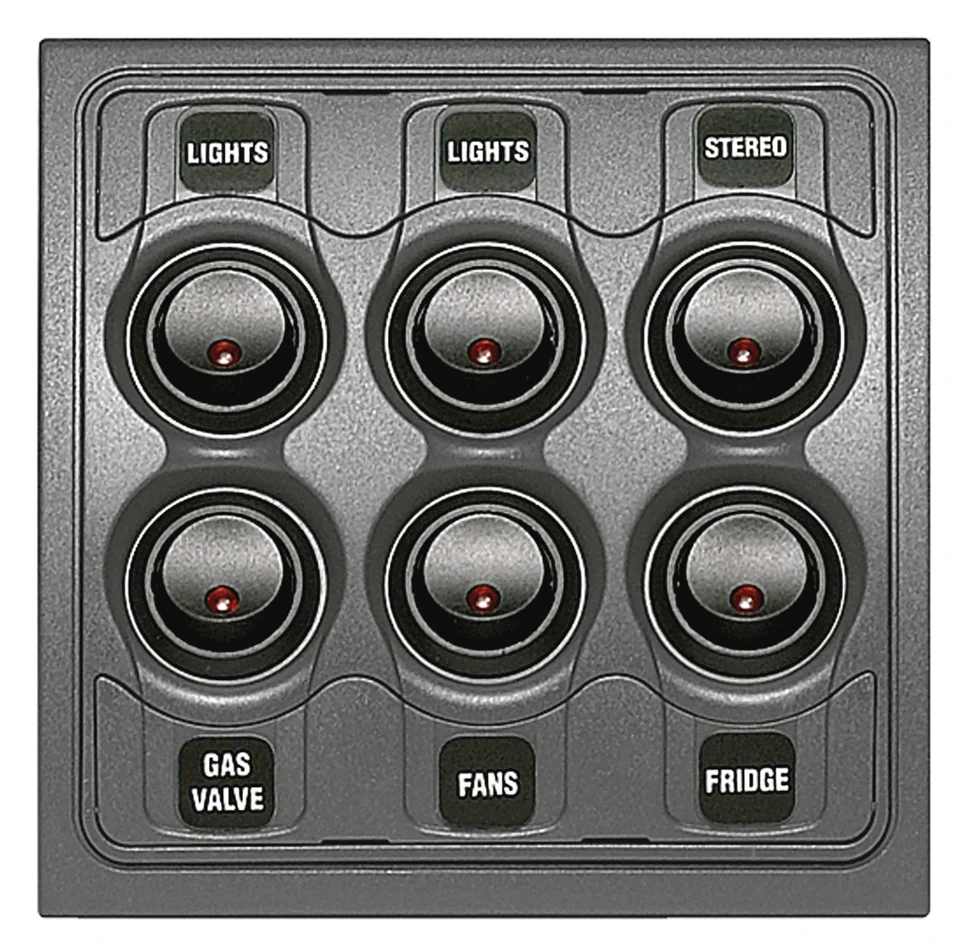
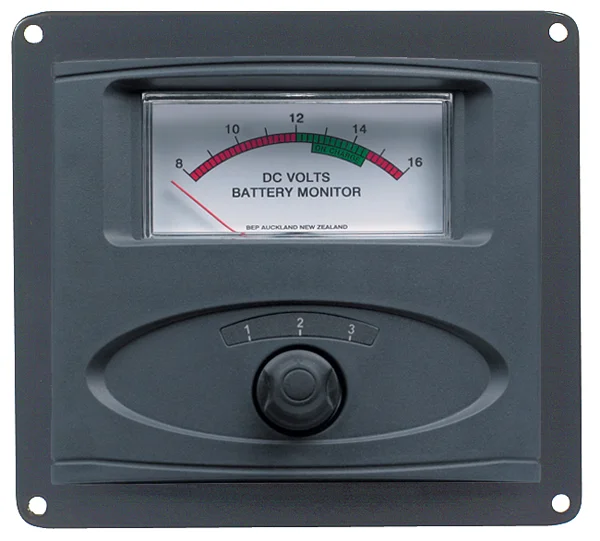
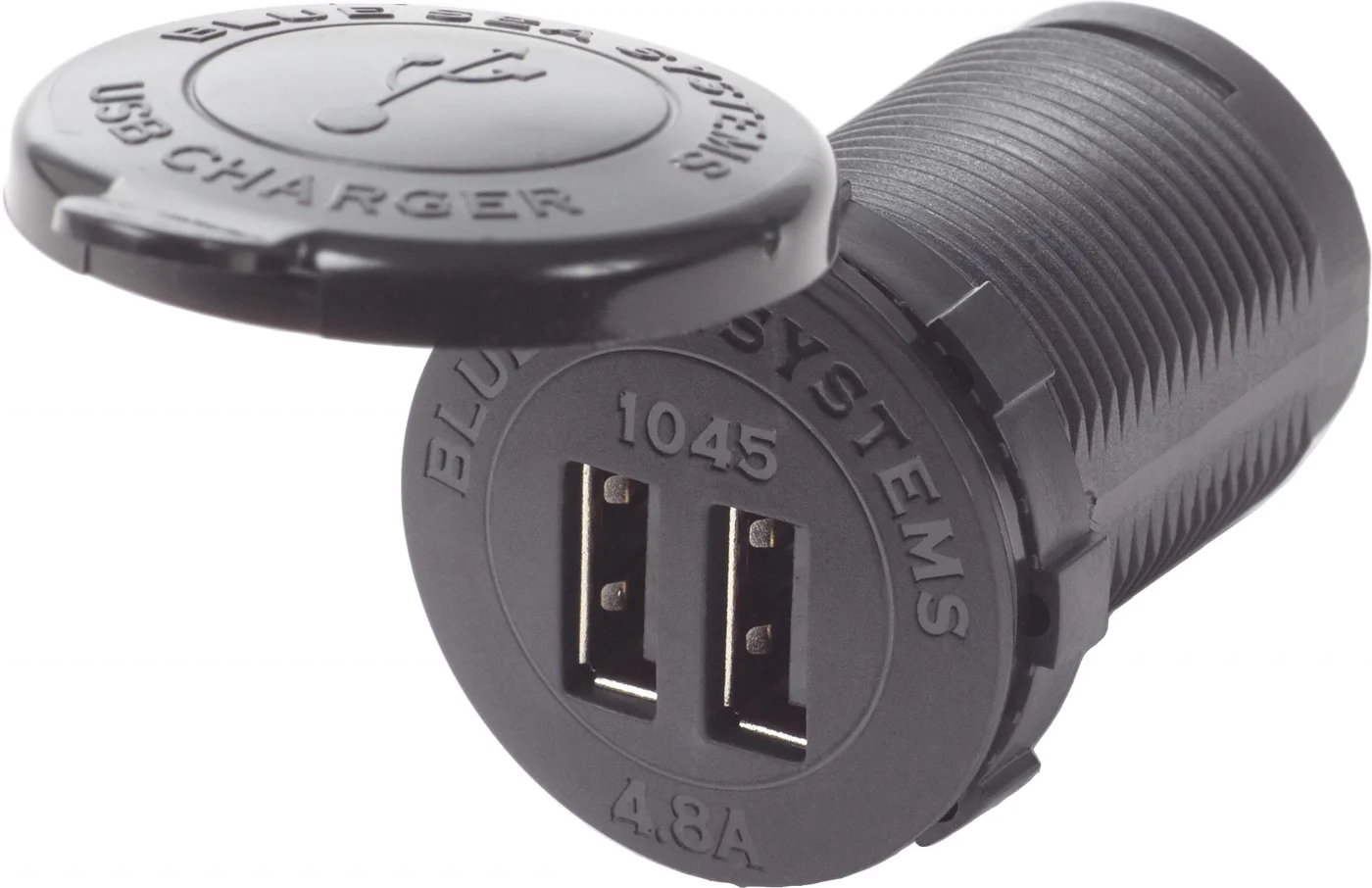
American manufacturer from Tampa, Florida, that designs and assembles waterproof electronics for fitting into boat dashboards. Its range covers wireless phone chargers, waterproof USB chargers and 12 V sockets, built for the marine environment.
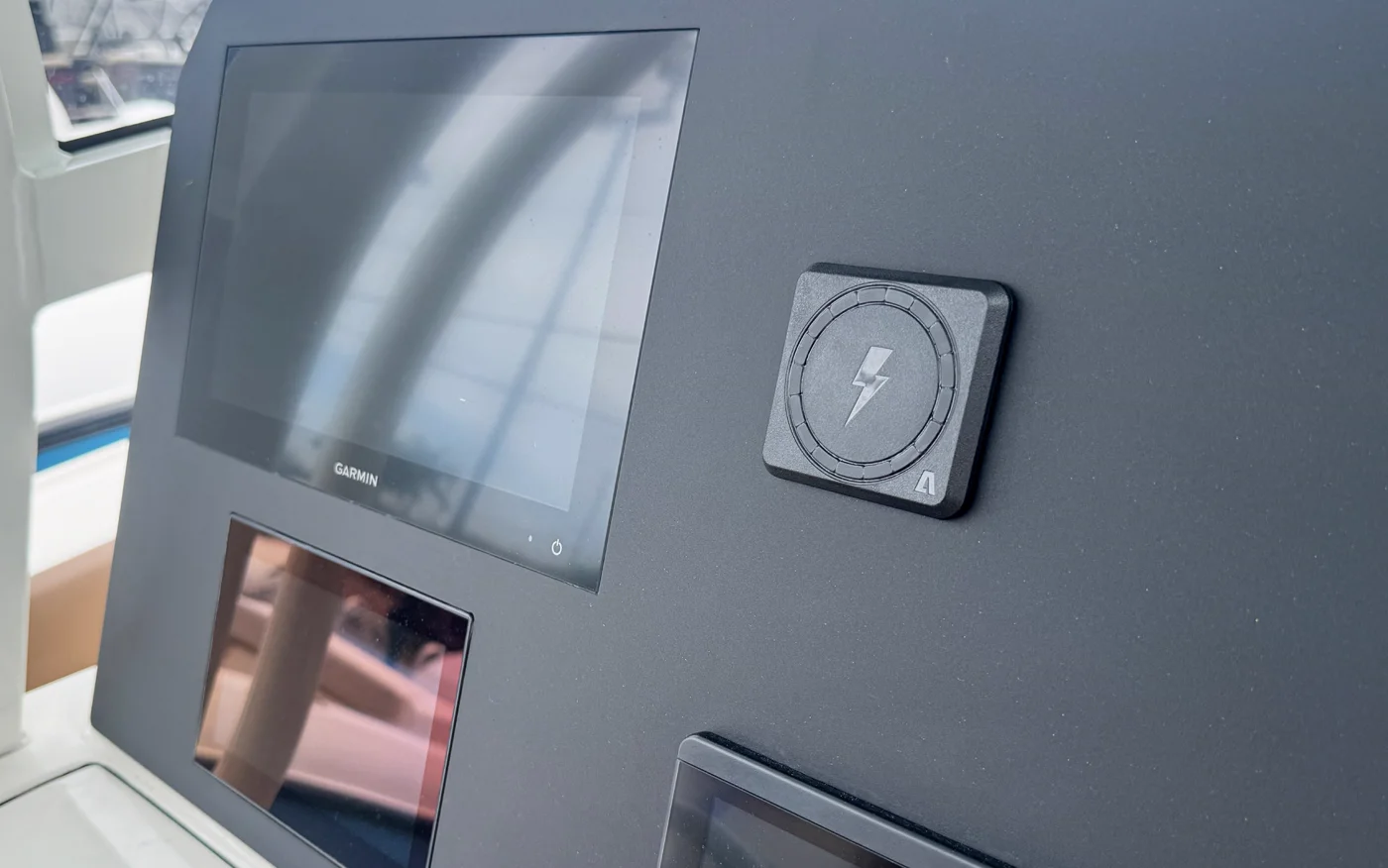
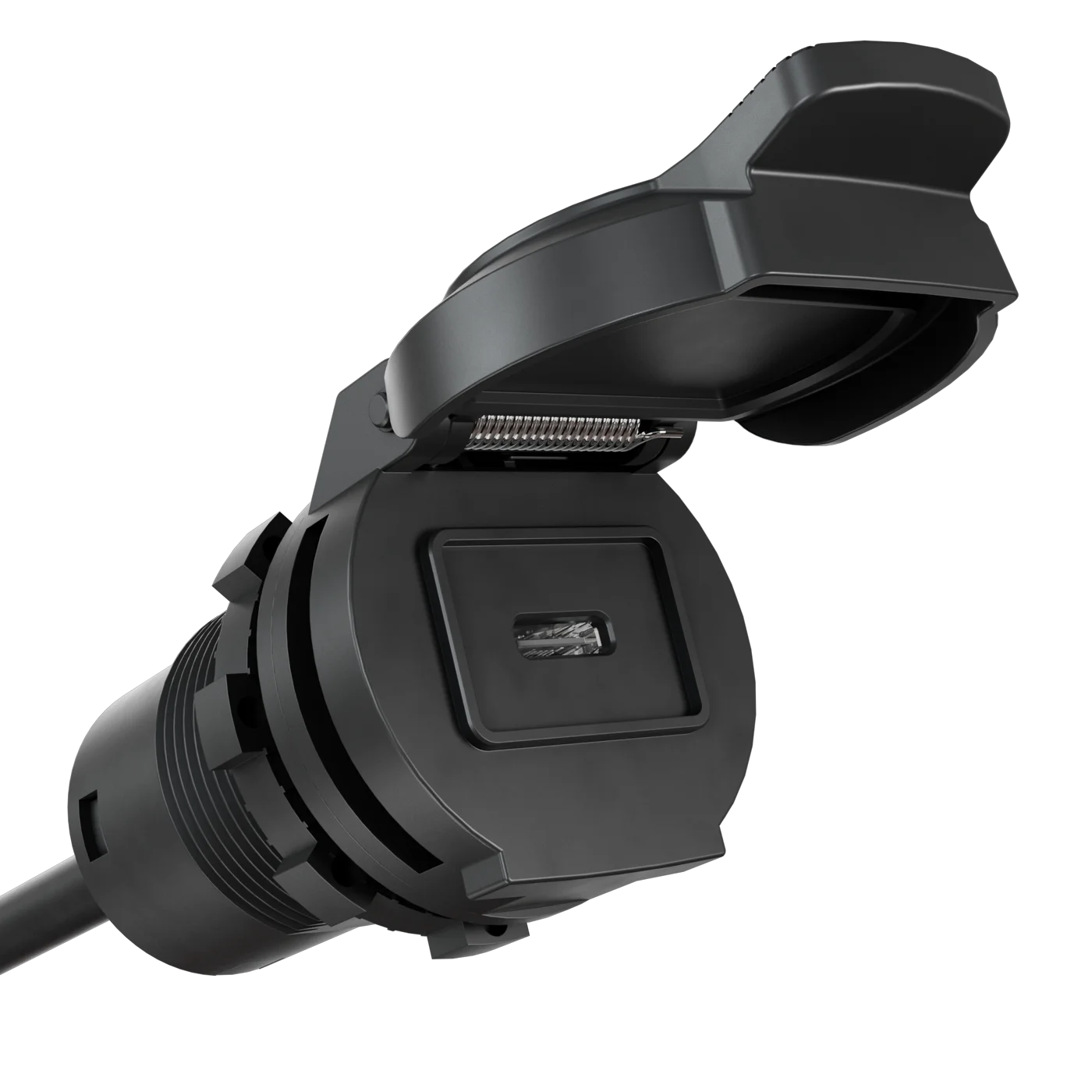
American maker of marine electrical connections, building shore-power cords and inlets since 1972. We supply its shore-power inlets, cordsets, plugs and connectors for 16, 32 and 63 A marina supplies, and 12 V and USB sockets for on board.
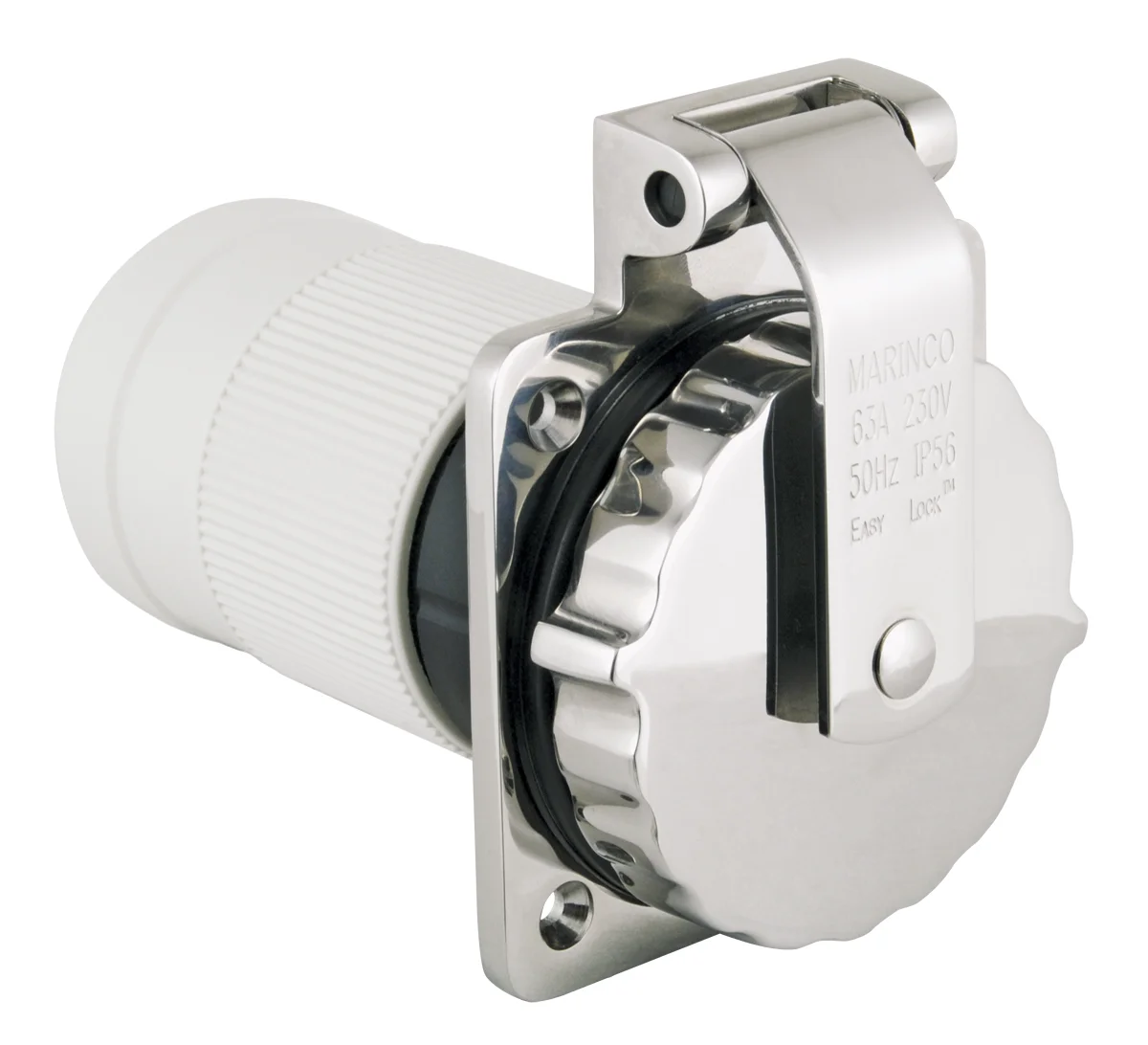
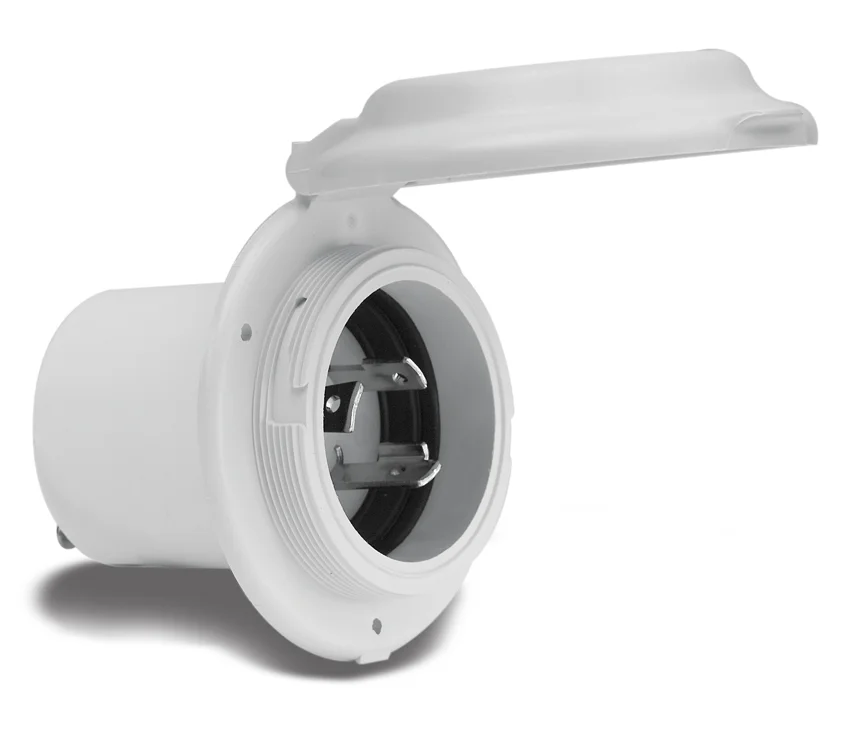
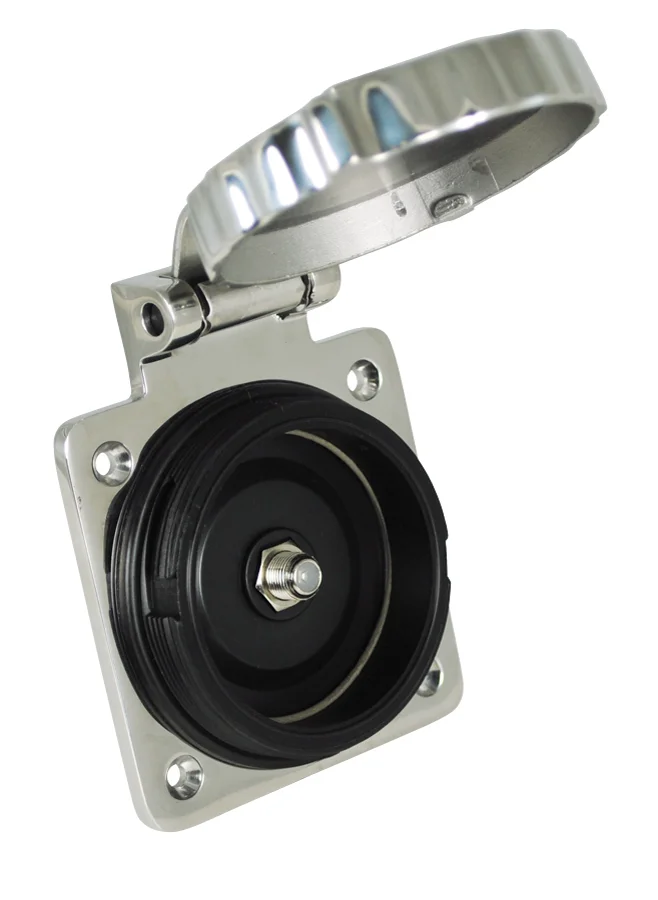
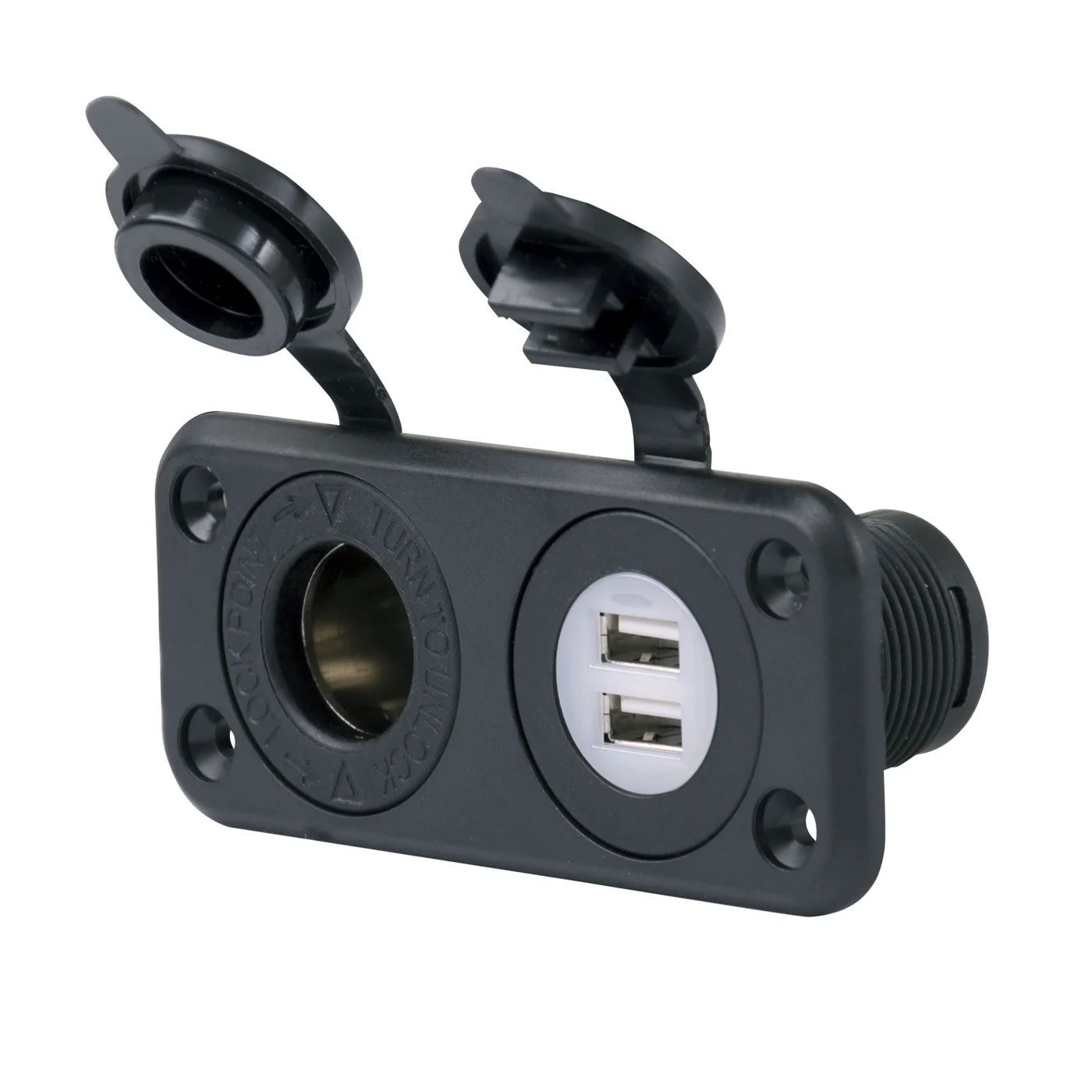
Italian maker of flexible solar panels for boats: thin, light, walk-on panels that follow the deck, bimini or coachroof.
Catalogues
Lithium batteries are far lighter than lead-acid, give you more usable capacity and charge faster. On a boat that means more days at anchor and fewer generator hours.
An upgrade is more than swapping batteries: the charger, alternator, fusing and monitoring all need to match. We design and carry out this work ourselves, so that the battery reaches its expected service life.
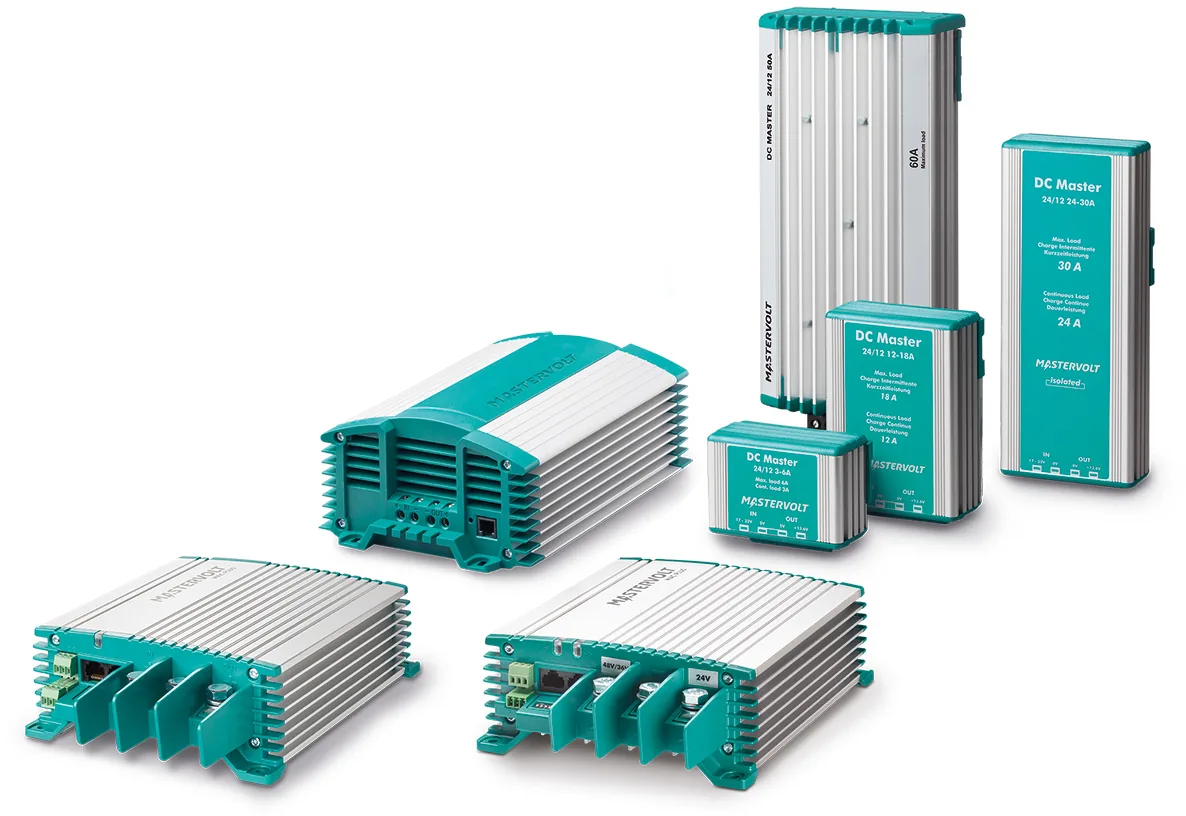
A charger looks after the battery on shore power; an inverter turns battery power into 230 V for the coffee machine, induction hob or laptop. Combi units do both.
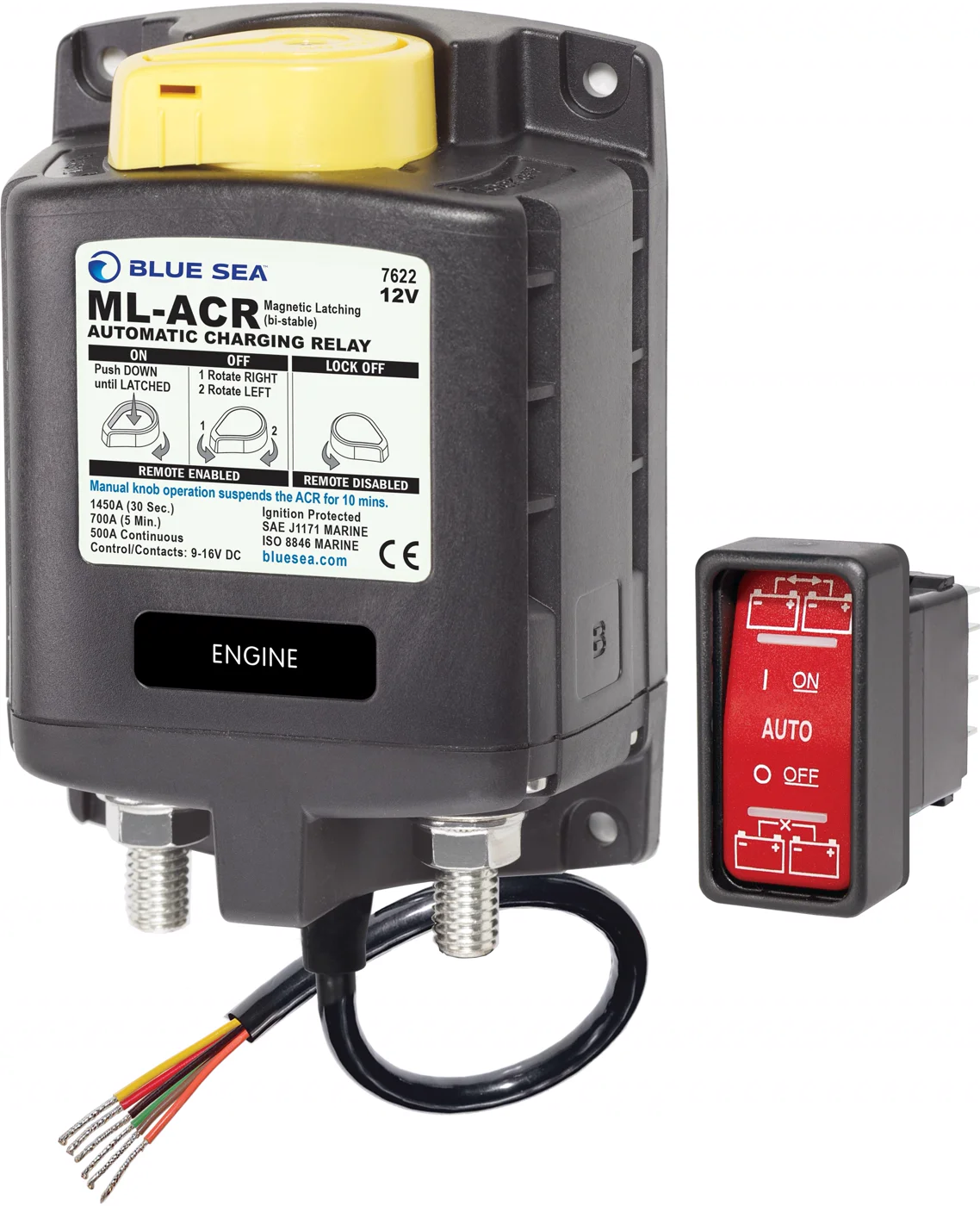
For safe distribution we use switches, fuses and panels made for the marine environment.
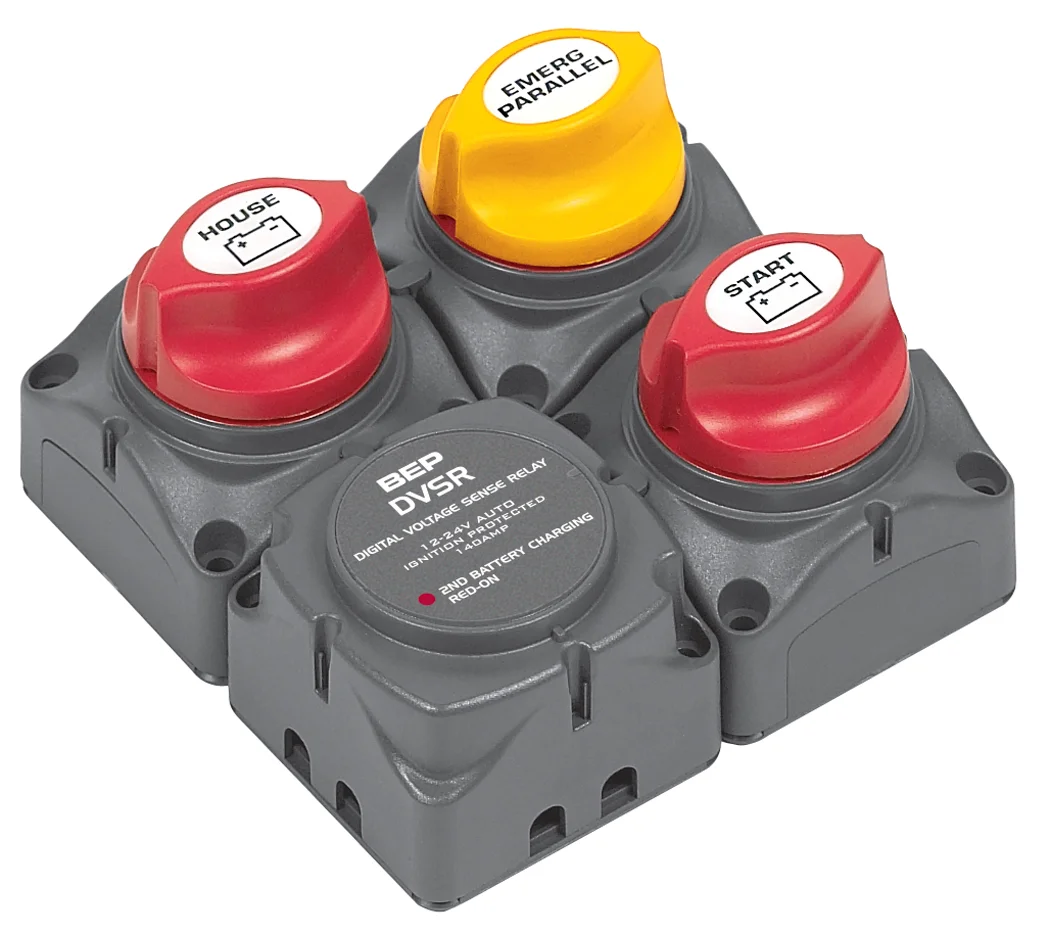
For battery management we also fit BEP equipment from Navico Group. Battery switches, voltage sensing relays and pre-assembled distribution clusters keep the start battery charged, while the Smart Battery Hub shows the status of every battery on the multifunction display.
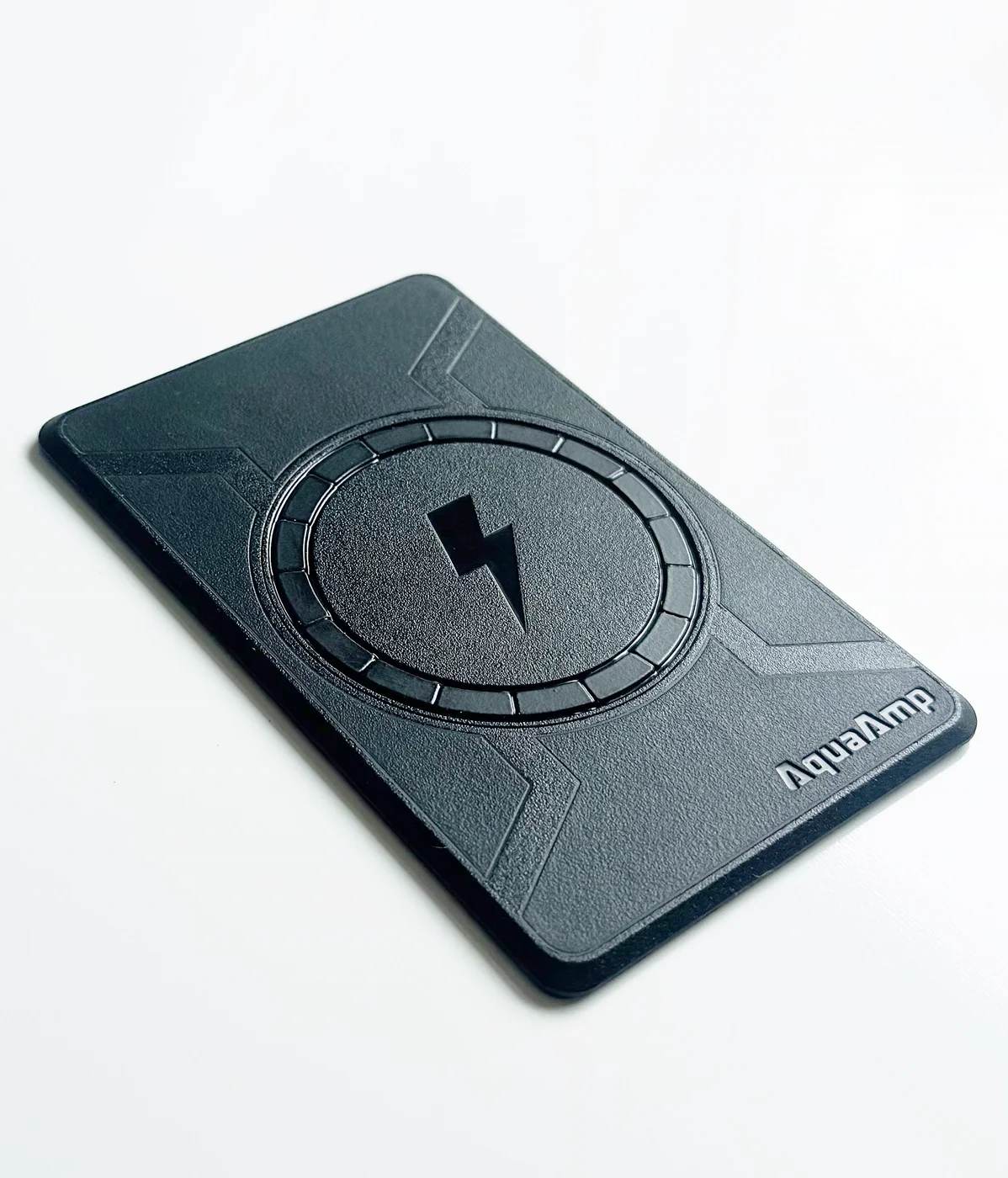
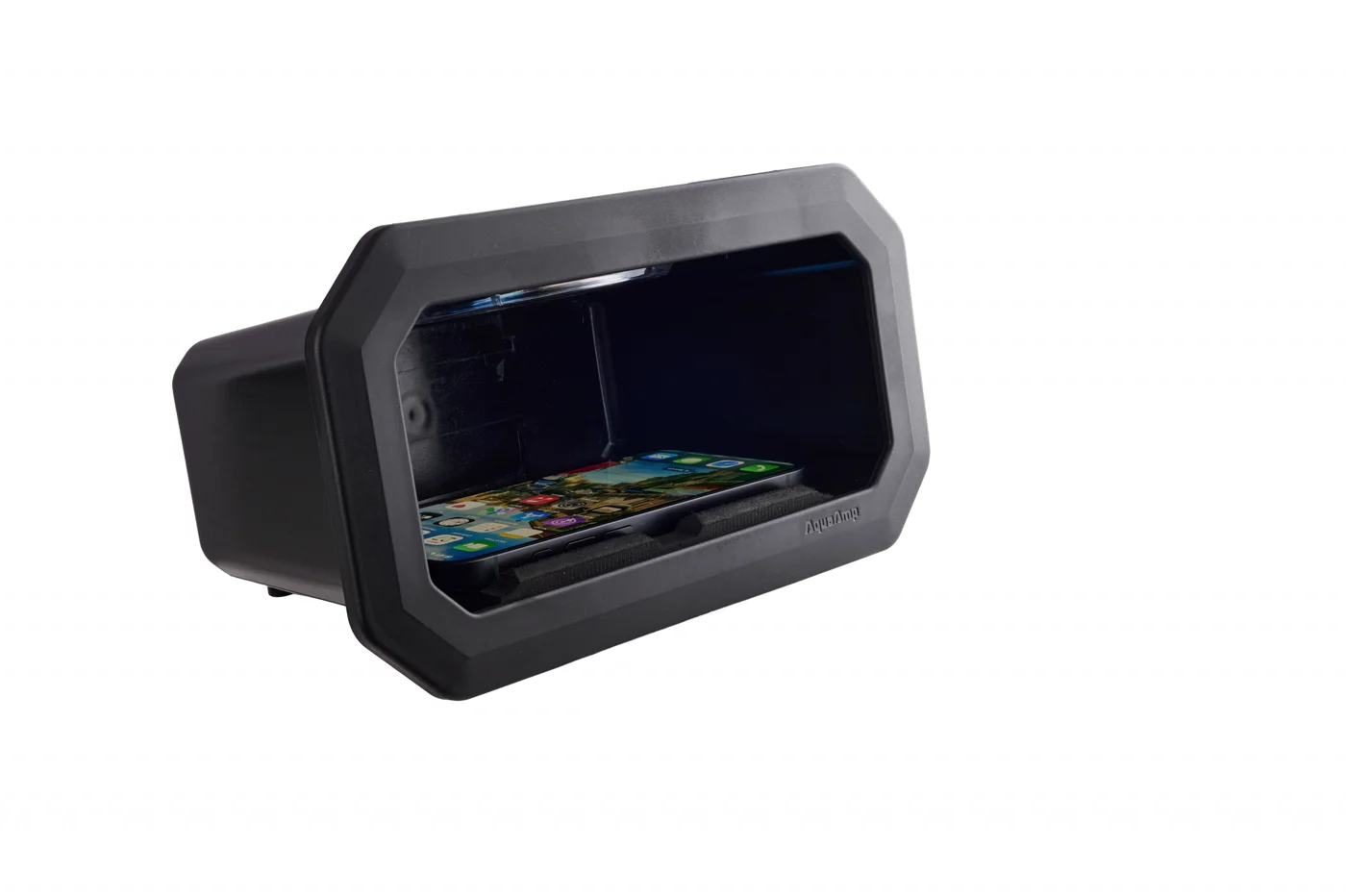
For charging phones and laptops on board we fit waterproof AquaAmp chargers. Their wireless chargers, with potted electronics and strong magnets, hold and charge a phone securely under way, while USB-C chargers deliver up to 100 W for a laptop or tablet.
The shore-power inlet, sockets and cables that connect the boat safely to marina power.
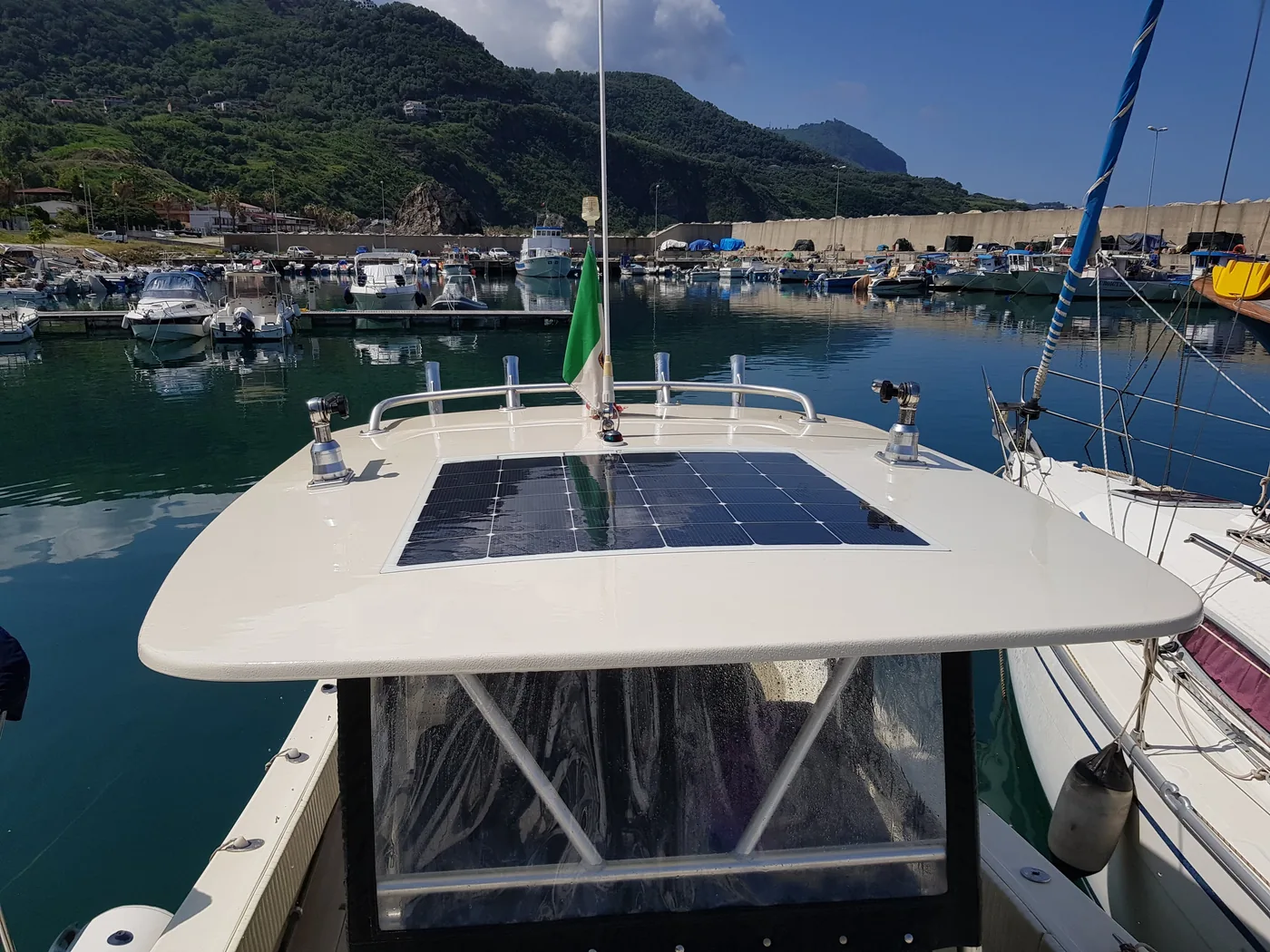
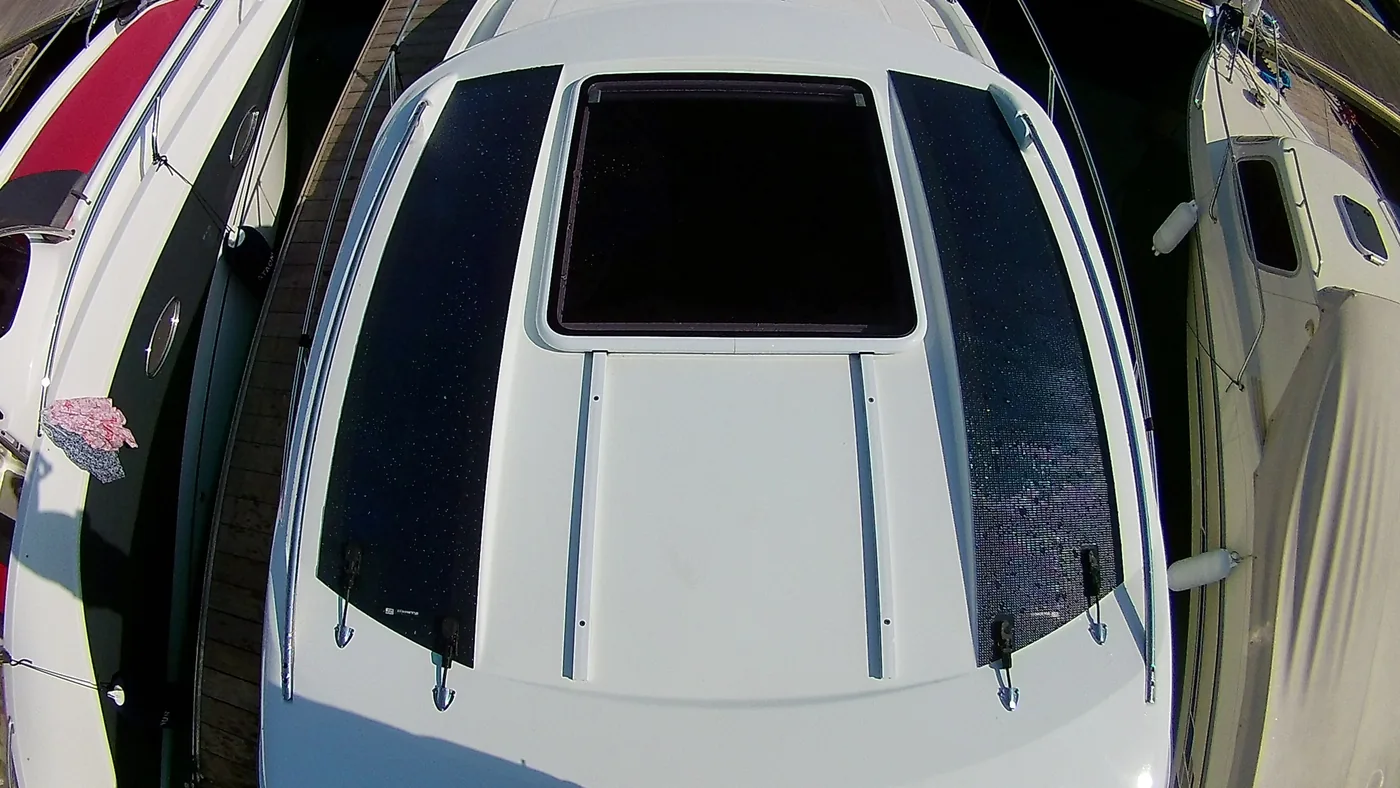
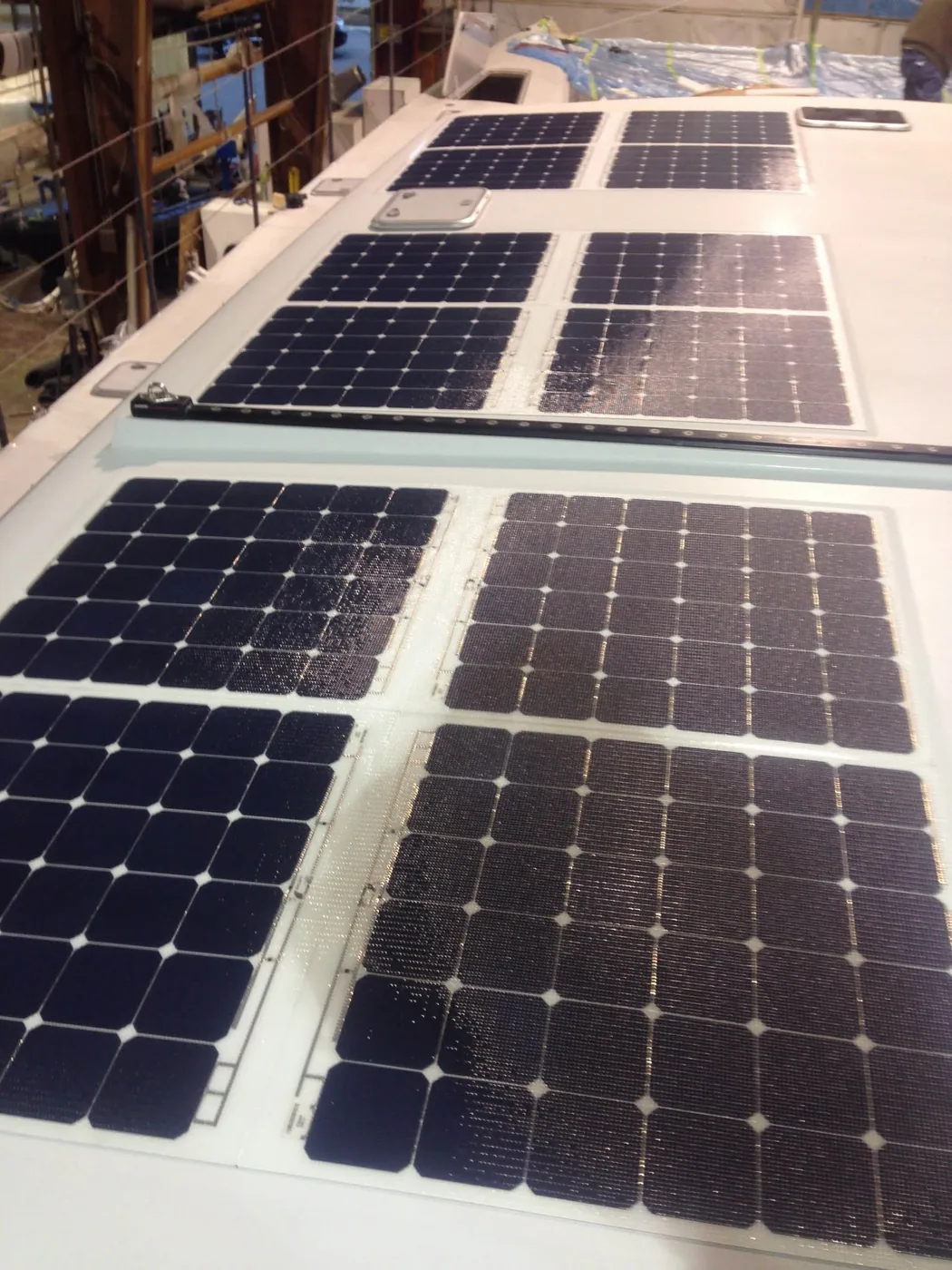
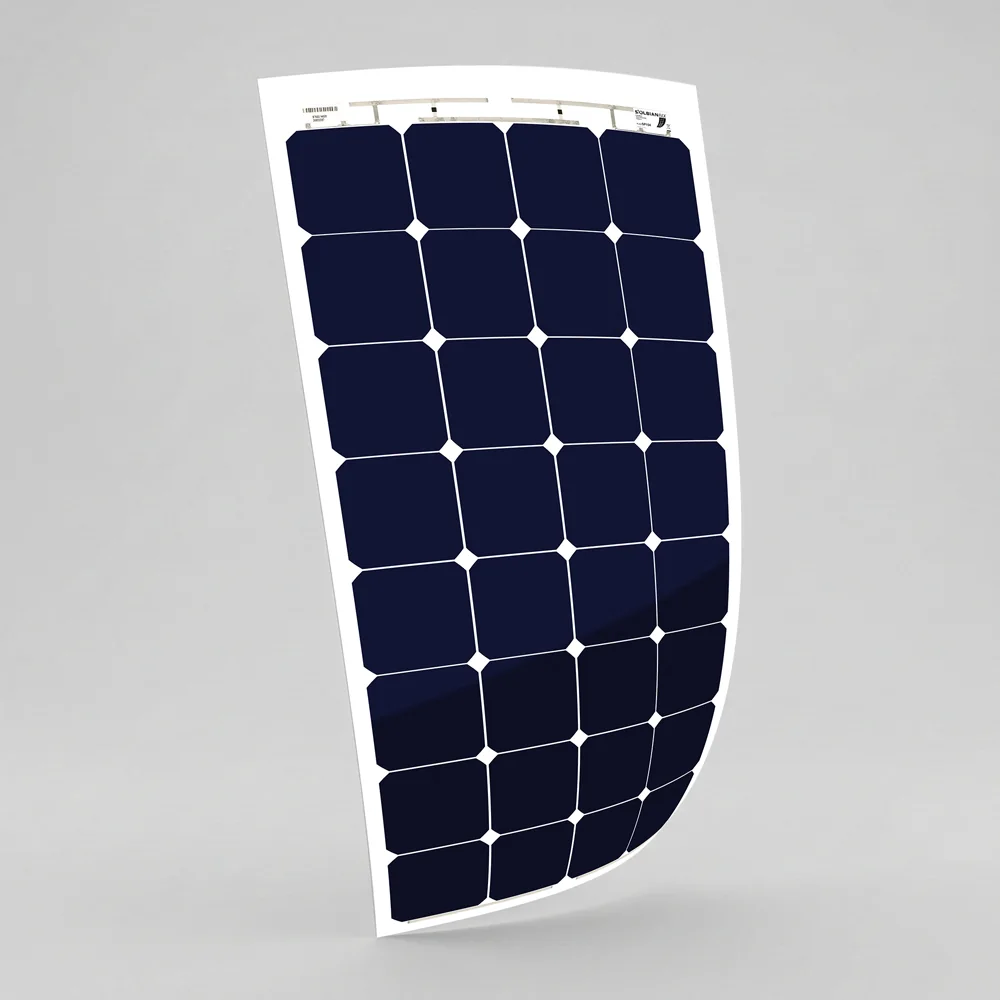
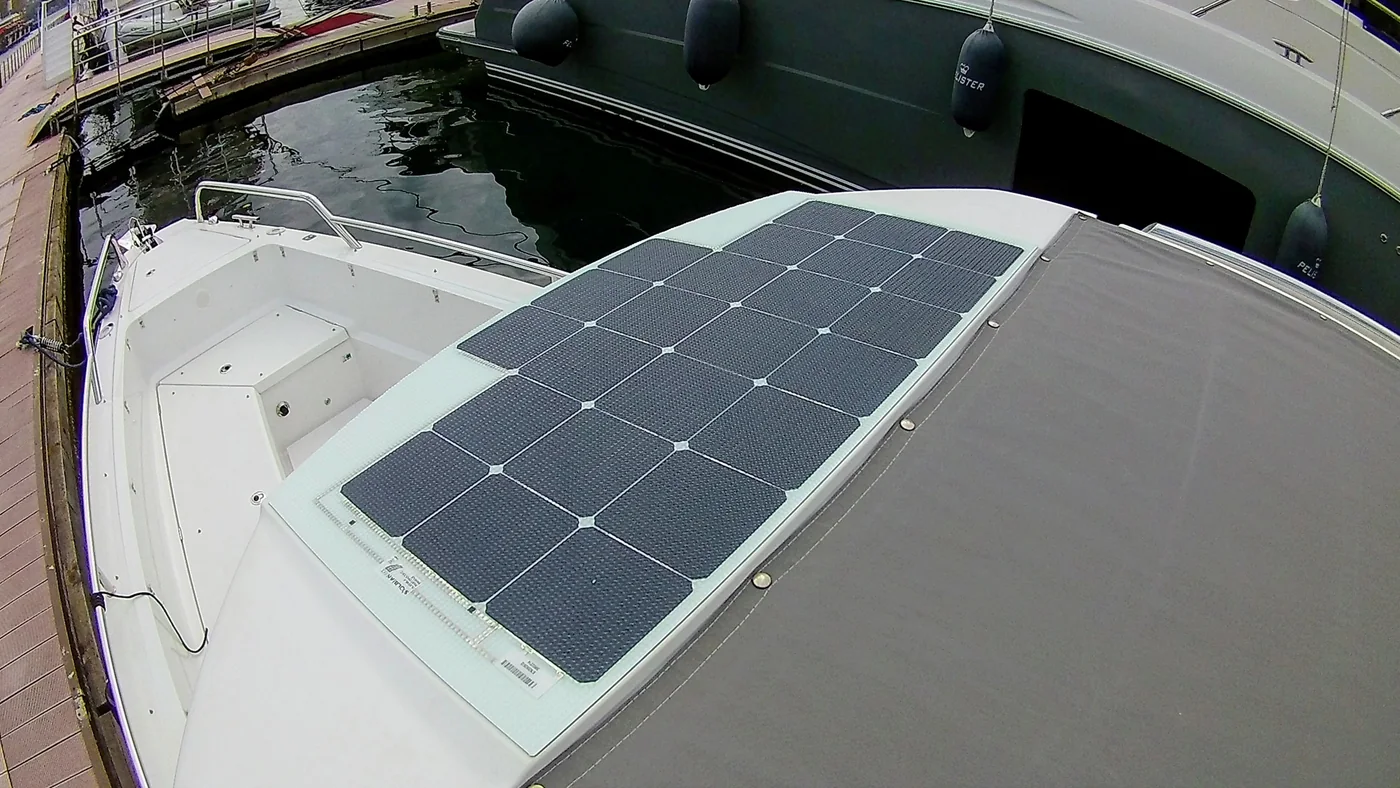
Solbian flexible panels are thin, walk-on and can be made to measure — for a bimini, coachroof or deck. On a sailing yacht a few hundred watts are sufficient to run the fridge and electronics all day.
We work out how much power you need, choose the controller and fit the panels where mast and rigging shade them least.
We recently replaced a sailing yacht’s old panels with 1,400 W of made-to-measure Solbian panels.
Energy comes from several sources, is stored in the battery and feeds your loads. Every part has to be chosen for the others — which is why we design it as a whole.
Under way, the alternator (through a DC-DC charger) and the sun charge the battery, which runs navigation, instruments and the fridge.
At anchor, the sun charges the battery and the inverter supplies 230 V from it for the coffee machine or laptop. The generator can stay off.
At night everything runs from the battery: fridge, lights and the anchor light. That is why we size the capacity to how you use the boat.
In the marina, shore power charges the battery through the charger and feeds the 230 V loads directly.
Which devices you run, how long you stay at anchor, where you cruise.
We calculate consumption and prepare a proposal with equipment and price.
We install on your boat — on the Adriatic or elsewhere in Europe.
We set the system up, walk you through it and service it.
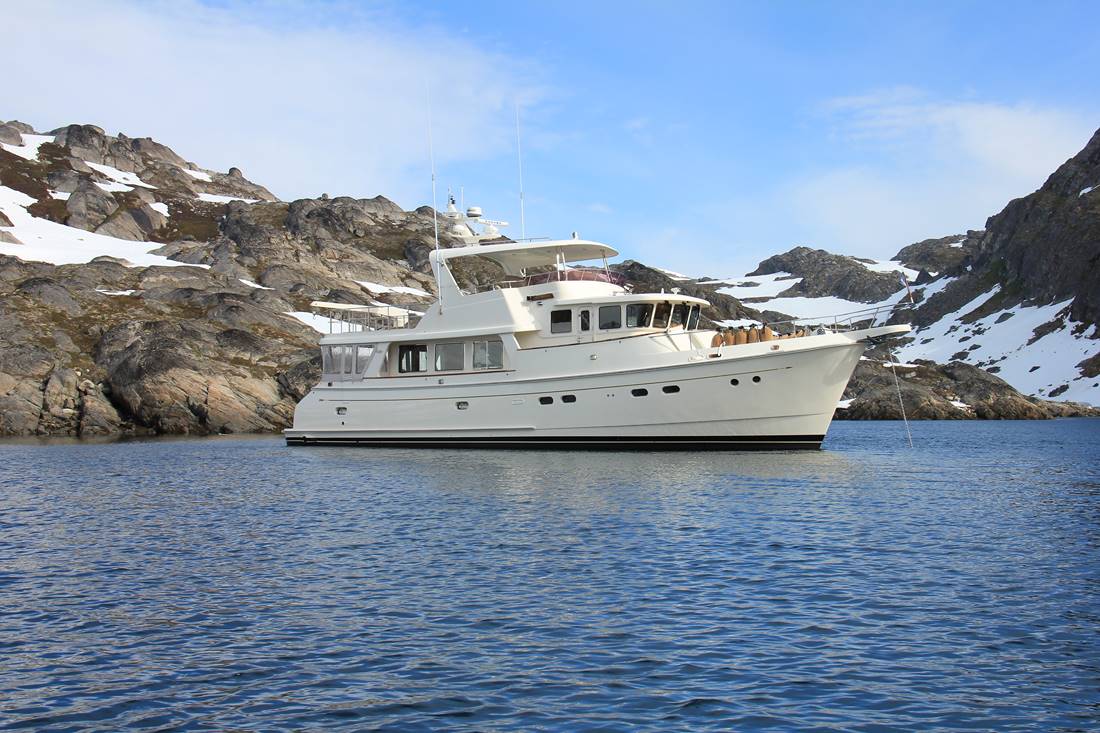
Selene 60
A complete Furuno navigation suite with Simrad backup, and Kabola central heating that runs off the engines while under way.
If you spend more than a night or two at anchor or run the generator often, the switch almost always makes sense. For short day trips plugged in at the marina the difference is smaller. After we talk, we give you an objective assessment.
It depends on consumption and space on board. For a fridge and basic electronics on a sailing yacht a few hundred watts is usually sufficient; an inverter and bigger loads need more. We calculate the exact figure for your boat.
Yes. We work across the whole Adriatic and have carried out work throughout Europe.
Yes. We draw up a plan you can carry out in stages, and make sure each step is compatible with the next.
Yes, from the engine alternator. With lithium batteries we fit a suitable regulator or DC-DC charger, so the alternator is not overloaded and the battery charges correctly.
19 November 2026
In May 2026 Mastervolt introduced waterproof 48-volt Mac Plus DC–DC chargers rated IP67, which can be fitted in open, unenclosed spaces on board.
19 November 2026
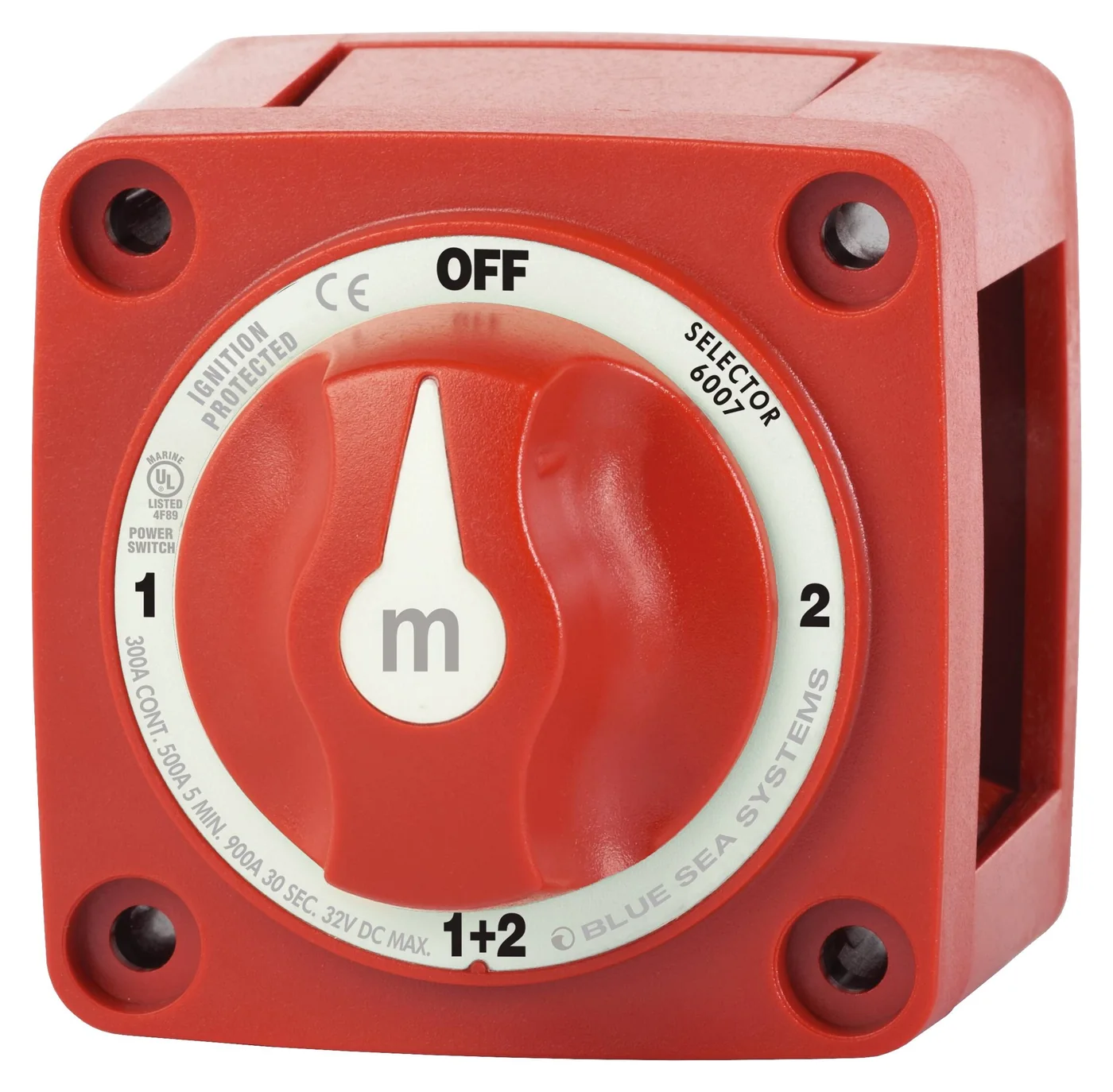
Battery switches now come under the new ABYC C-7 standard, replacing UL 1107. Blue Sea Systems explains why stated current ratings may now look lower.
9 October 2026
Batteries charged by the sun mean more nights at anchor without a generator or its noise, provided panels, regulator and batteries are matched.
9 October 2026
A boat battery charger decides how long your batteries last and how much power you have at anchor. The right choice depends on your batteries and how you cruise.
9 October 2026
Plugging into shore power is routine for most boats, but water, salt and movement call for equipment made for the sea. Here is what matters for a safe connection.

9 October 2026
LED lighting for boats uses less energy, runs cooler and lasts longer. With the right colour of light the boat feels better in the evening and is safer at night.
Tell us about your boat and how you use it. We will prepare a proposal with a consumption calculation.