VHF radios
Japanese radio maker from Osaka whose marine VHF radios are used by leisure sailors and professional crews alike.

No results. Please call us — we can order most equipment that is not listed.
Marine equipment · Navigation & communication
Radios and navigation electronics — chosen for your boat and installed so that communication is reliable when it matters.
VHF radios

Japanese radio maker from Osaka whose marine VHF radios are used by leisure sailors and professional crews alike.
Japanese radio maker from Osaka whose marine VHF radios are used by leisure sailors and professional crews alike.
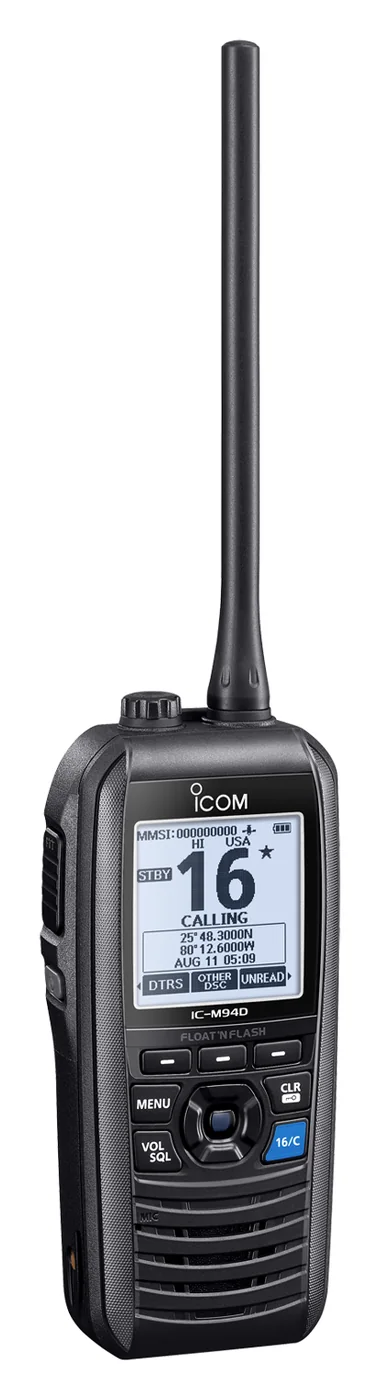
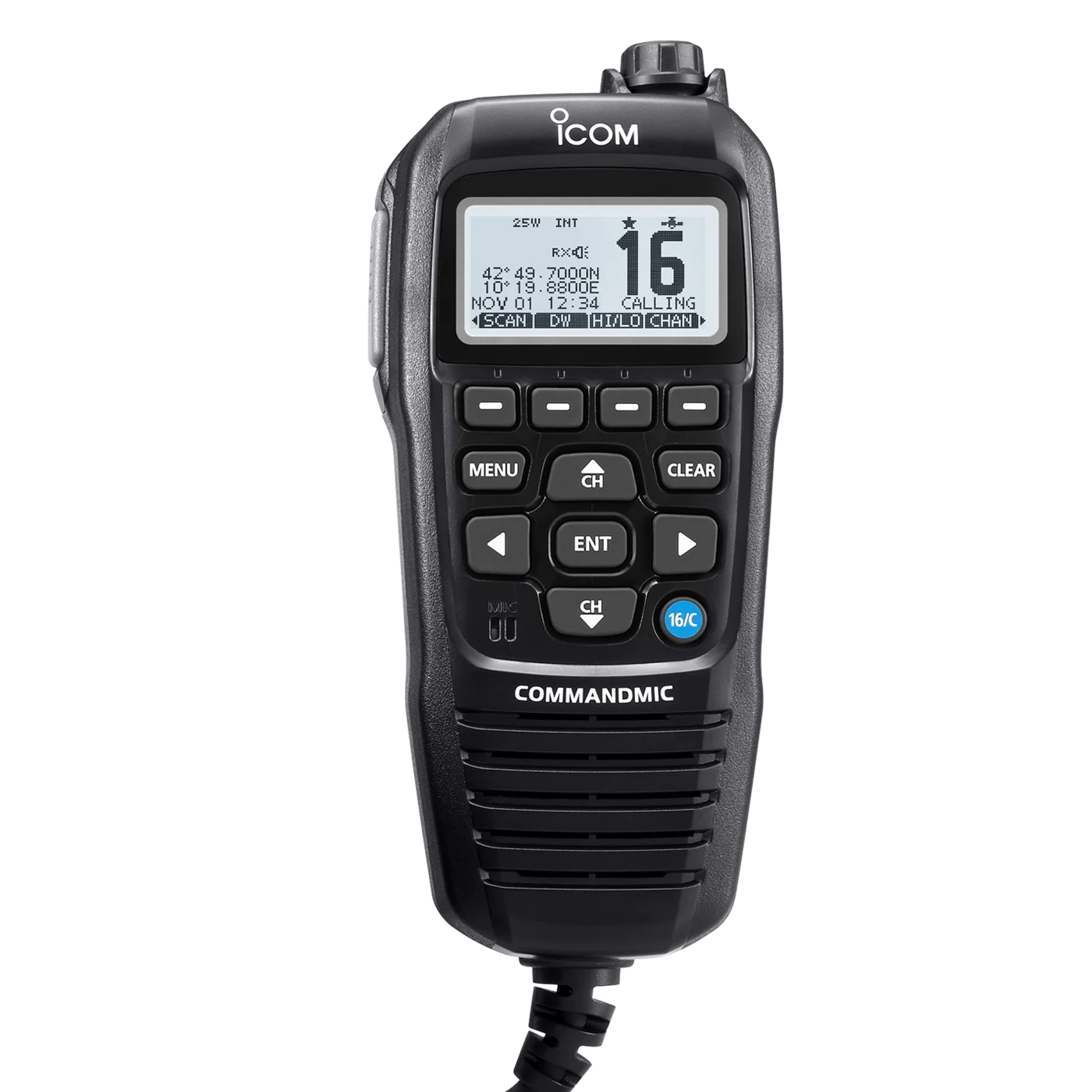
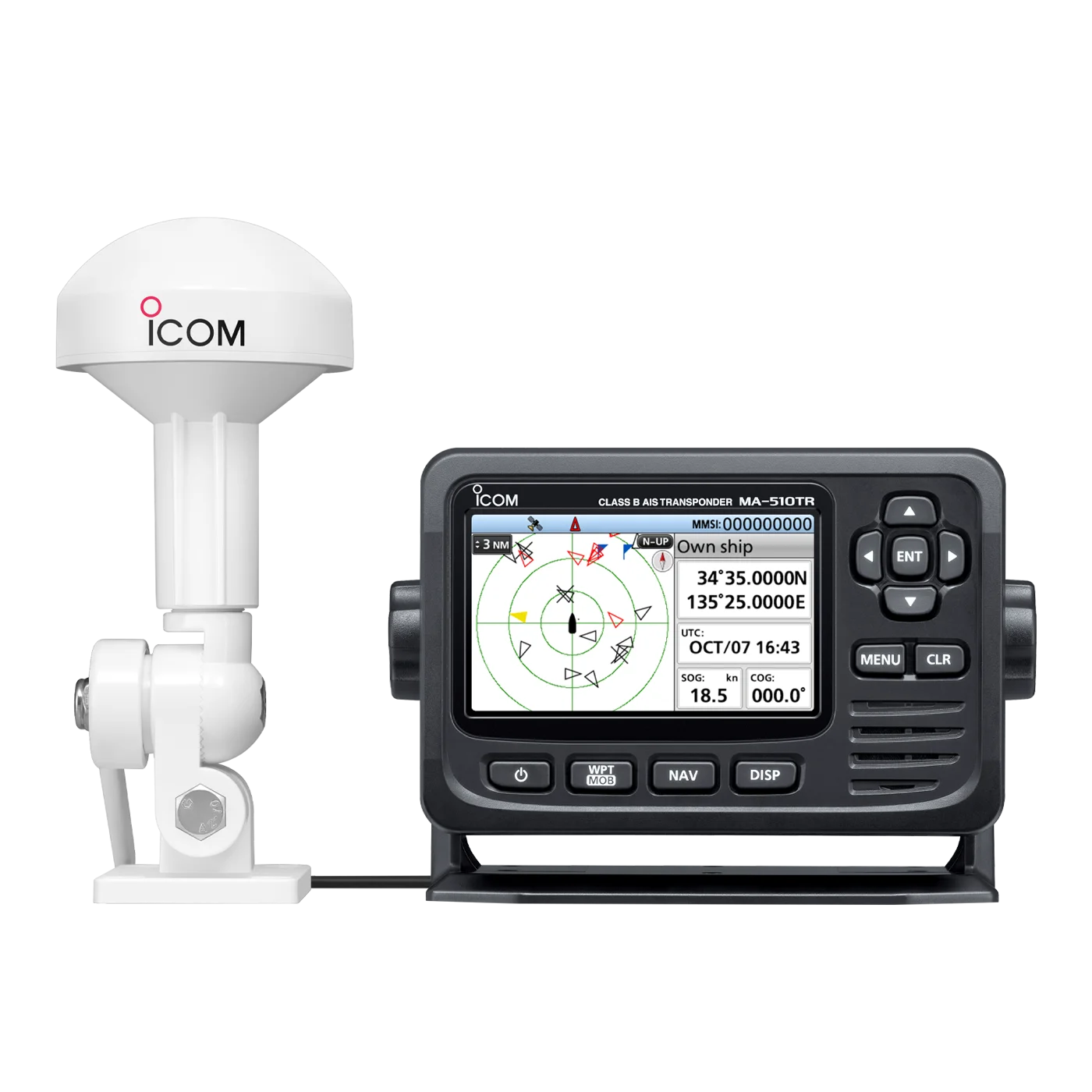
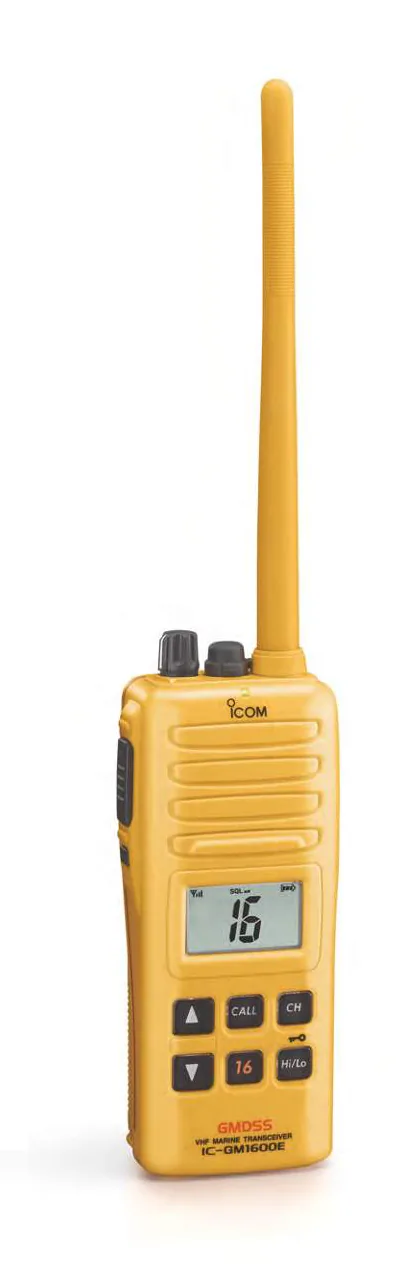
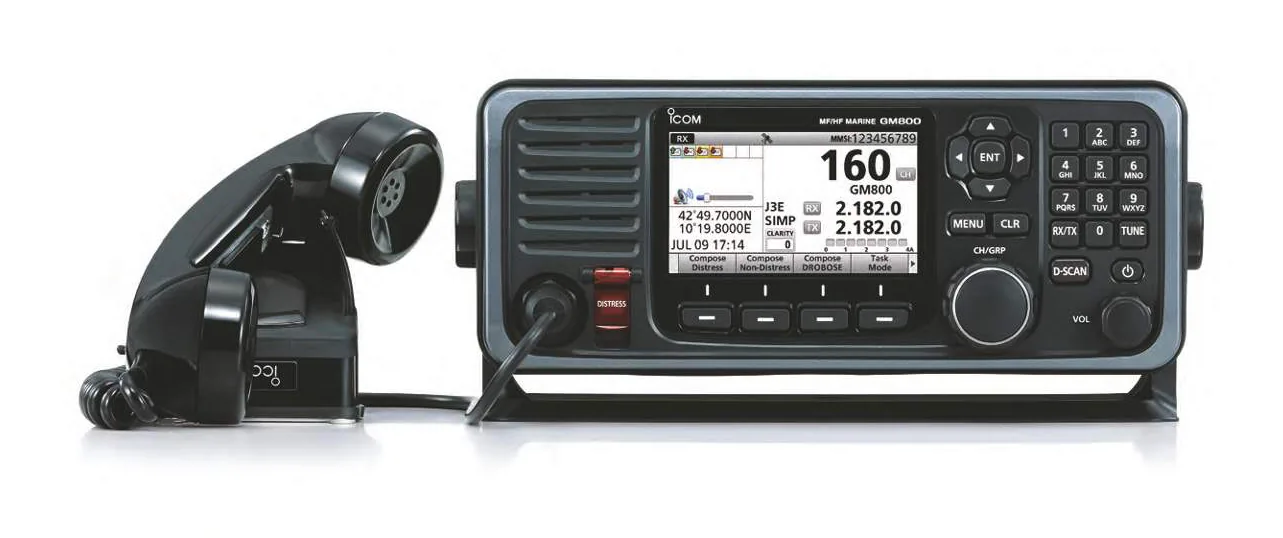
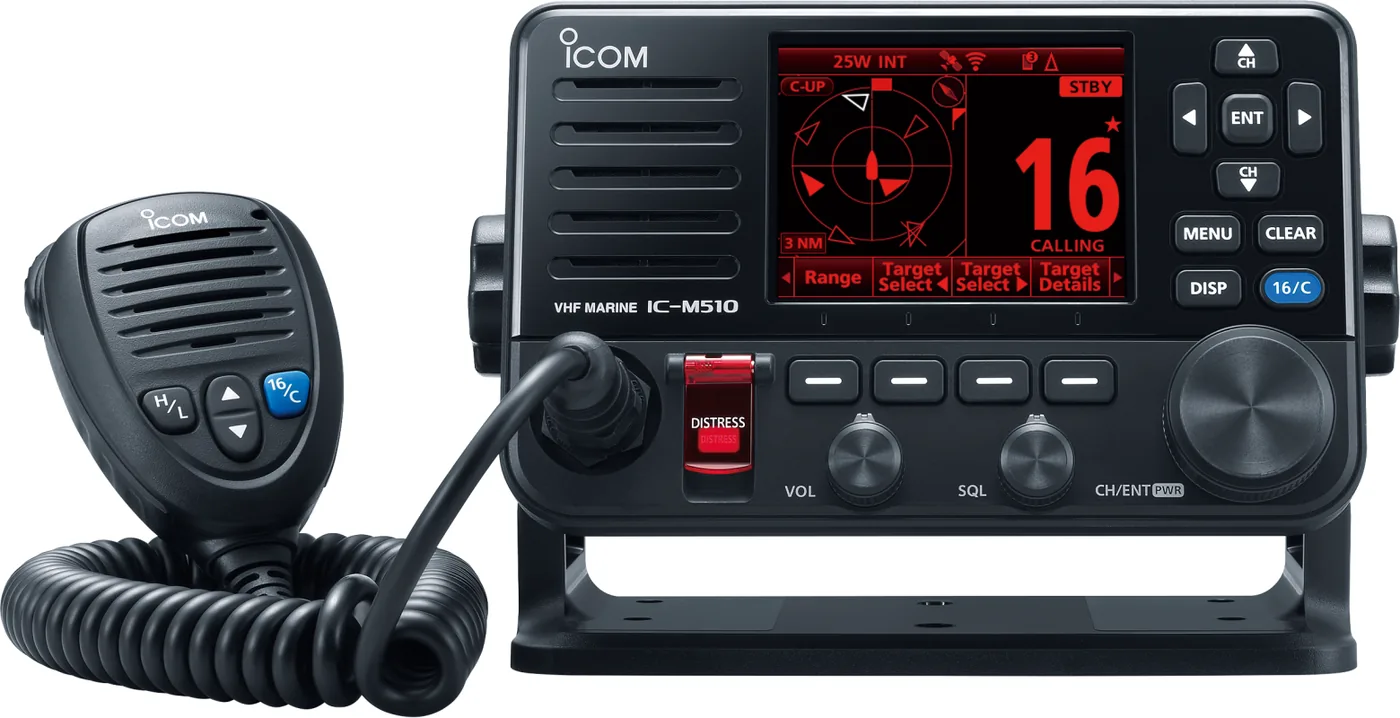
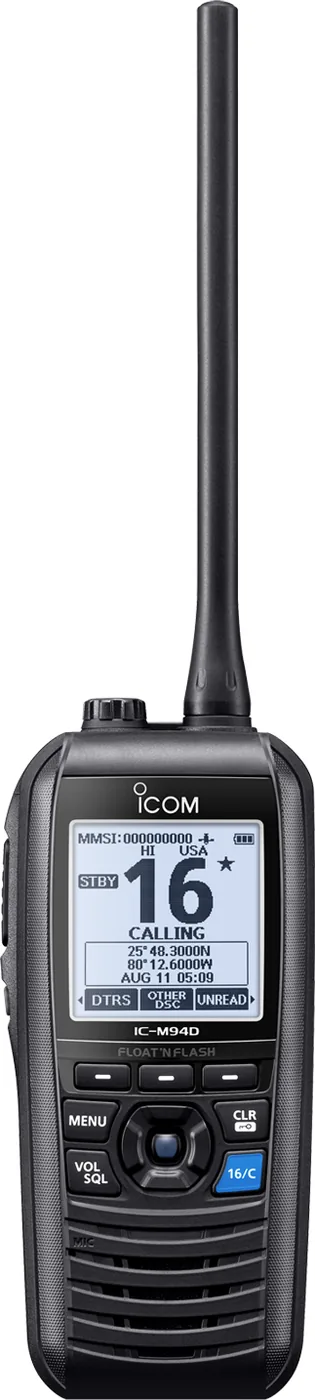
A VHF radio is basic safety equipment at sea. A handheld serves as a backup and for use in the tender; a fixed radio with an antenna on the mast or hard top reaches much further.
Accessories are available too, from headsets and remote microphones to antennas. Icom, founded in Osaka in 1954, is one of the leading makers of marine radios.
We also install and network chartplotters, radars, autopilots and cameras. Our projects include Furuno, Simrad and Raymarine systems — from a single display to a complete navigation suite for an Atlantic crossing.
A Selene 60 crossed the Atlantic by the northern route on our Furuno navigation with Simrad backup.
You tell us about your boat and what you want to achieve.
We prepare a proposal with equipment, installation and price — clear, no small print.
We install it ourselves and connect it to your existing systems.
We walk you through it and stay your contact for service and upgrades.
It depends mostly on antenna height: the higher, the further. A handheld reaches a few nautical miles; a fixed radio with a good masthead antenna, much more.
Usually yes, via NMEA 2000 or NMEA 0183. We check compatibility before we install.
A fixed radio with an antenna on the mast or hard top has more power and reaches further; a handheld is the backup and the one for the tender. On most boats we recommend both.
DSC (Digital Selective Calling) lets you send a distress call at the press of a single button. If the radio is connected to a GPS, the call automatically includes your position.
As a rule you need a radio operator certificate (such as the SRC) and the station registered with an MMSI number. The exact requirements depend on the boat’s flag state, so we check them with you.
19 November 2026
The Icom IC-M430E is a new fixed VHF radio with DSC and a colour display, only 52.6 mm deep behind the panel. It fits the IC-M423GE cut-out.
19 November 2026
In May 2026 the IMO adopted SOLAS amendments that let ships carry VDES instead of AIS from 1 January 2028. AIS remains part of the new system.
9 October 2026
A VHF radio is basic safety gear at sea, for calling marinas, other boats and, in an emergency, the coastguard. The choice depends on your boat and waters.
9 October 2026
AIS on a boat shows the ships and boats around you on screen, with name, course and speed. It is most useful at night, in fog and in busy shipping lanes.
9 October 2026
A boat’s VHF antenna decides its range more than the radio does. Height, good cable and well-sealed connectors make the difference when the call matters most.
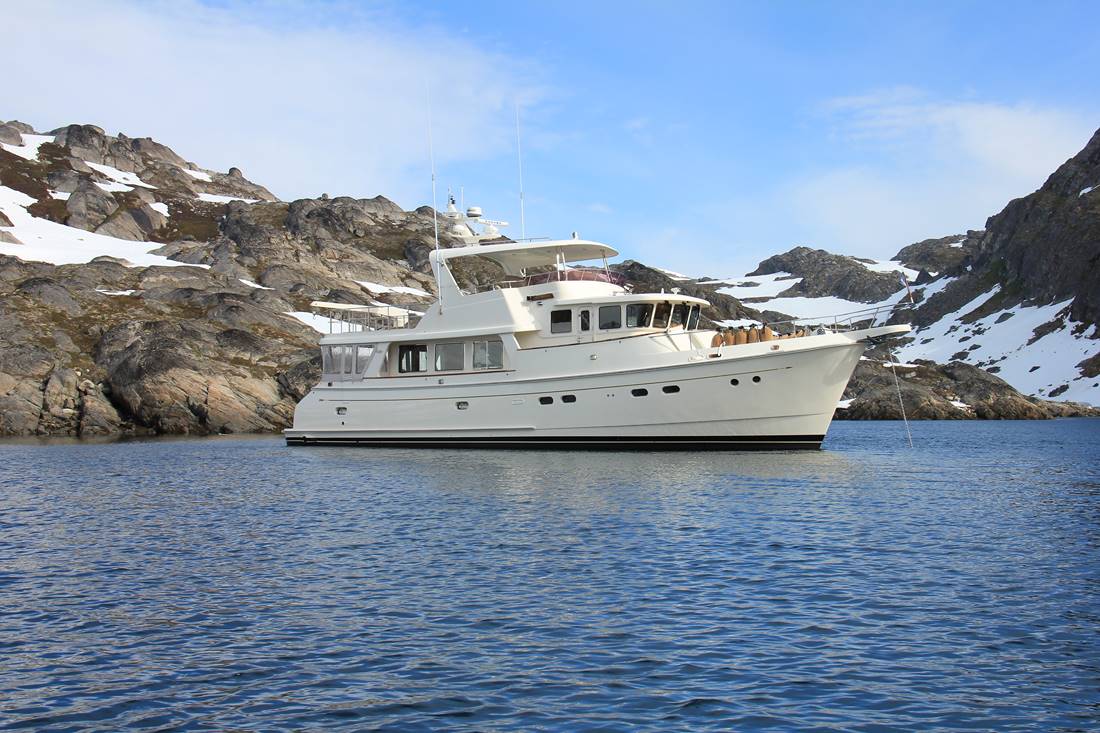
Selene 60
On an ocean crossing, the reliability of the equipment is decisive. We fitted out this Selene 60 for the passage on which she crossed the Atlantic by the northern route.
Tell us about your boat and the equipment you already have. We will suggest what to add and how to connect it all.